
Pruning
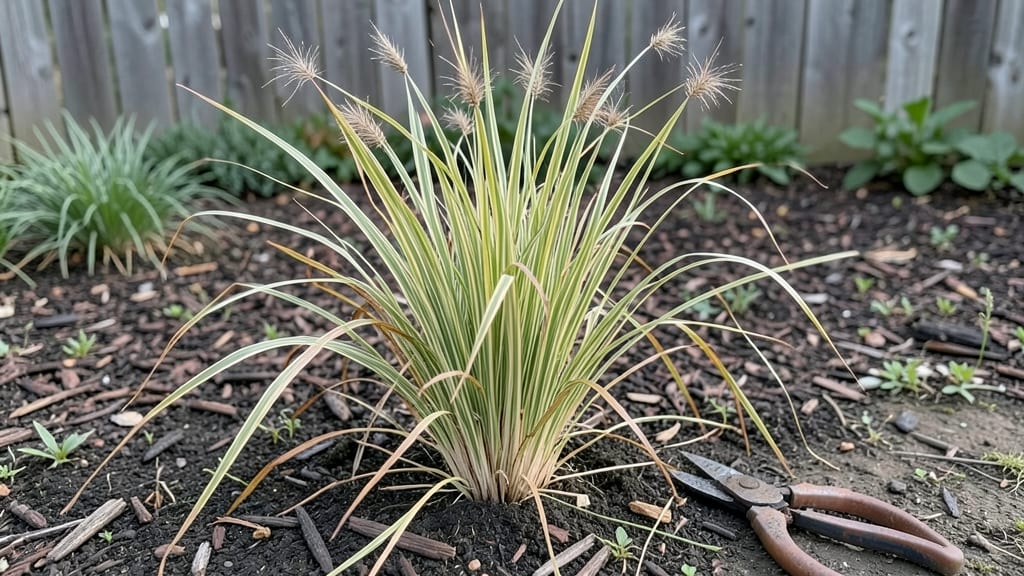
Knowing when to cut back grasses depends on type and climate: ornamental grasses like fountain grass should be trimmed in late winter when they turn brown, cool-season grasses (e.g., fescue) need early spring pruning, and warm-season grasses (e.g., Bermuda) require late spring cuts after dormancy. Never trim perennials until they’ve fully browned to avoid winter damage.
Timing matters because grasses grow on different schedules based on their type and your local climate.
Ornamental grasses, like maiden grass or switchgrass, benefit from a late-winter haircut when they’re dormant but still visible—this encourages fresh growth once spring arrives. 🌿 Meanwhile, cool-season grasses like Kentucky bluegrass wake up early in spring, so cutting too soon can stunt their regrowth, while warm-season varieties like zoysia grass need to fully wake from dormancy before you touch them.
I’ve learned that in warmer climates, like Zone 8 or higher, the schedule shifts slightly later, while colder regions may need to wait until after the last frost.
Another key factor is how much you cut back. Never remove more than one-third of the plant at once, as this can stress the roots. If you’re dealing with thick, woody stems, use sharp pruners or a hedge trimmer to avoid tearing the grass.
After trimming, consider adding a light layer of mulch or compost to protect the roots from temperature swings—especially important in transitional seasons like early spring or late fall.
💡 In This Article
- Grass Cutting Timing by Type and Growth Cycle
- Step-by-Step Guide to Trimming Grasses Safely
Grass cutting timing by type and growth cycle
Understanding when to trim grasses hinges on their growth cycles and climate zones. Ornamental grasses like fountain grass or miscanthus go dormant in winter, turning brown as a survival strategy. The key is cutting them back when they’re 50-75% brown but still standing—typically in late winter (February-March in most regions).
This timing ensures you remove dead growth without harming the emerging spring shoots hiding beneath. Evergreen grasses like mondo grass, however, should never be cut back in winter since they retain their color year-round.
Cool-season grasses like tall fescue or perennial ryegrass follow a different rhythm. These varieties start growing as soon as soil temperatures rise above 35°F in early spring. Cutting too early—before March 15th in most Northern climates—can expose tender new growth to late frosts.
In Mediterranean climates (Zones 7-10), the schedule shifts: cool-season grasses may need trimming as early as January when winter rains trigger growth. Warm-season grasses like Bermuda or St. Augustine, meanwhile, stay dormant until soil temperatures hit 65°F, usually April-May in most areas.
The science behind dormancy explains why timing matters. Grasses enter dormancy when nights grow shorter and temperatures drop, conserving energy by shutting down non-essential growth. Cutting too early disrupts this process, while waiting too long risks smothering new shoots under dead growth.
For example, zoysia grass may look dead in winter but has 1-2 inches of protected growth at its base—cutting it back in late winter would remove this potential spring regrowth. 🌱 In contrast, ornamental grasses store energy in their roots, making them more resilient to late-winter trims.
Frost timing creates additional complexity. Deciduous grasses (like switchgrass) lose their leaves in winter but keep their structural stems, which provide winter interest. Cutting these back before March 1st in colder zones (below Zone 6) risks exposing tender roots to freezing temperatures.
Evergreen grasses like liriope, however, handle winter trims better since their leaves remain functional year-round. In Zone 7-10, where frosts are rare, the window for cutting back ornamental grasses extends into early April, aligning with the last frost date in your area.
Climate exceptions abound. In Southern California’s Mediterranean climate, ornamental grasses may need two cuts: once in late winter (February) to remove dead growth, and again in early fall (October) to shape them before winter rains.
Meanwhile, in the Pacific Northwest’s wet climate, grasses often stay green year-round, making winter trims unnecessary. The rule of thumb? Observe your grasses: if they’re brown but standing, they’re ready for a haircut. If they’re still green, wait until they’ve fully browned.
What most gardeners overlook is how grass height affects cutting timing. Taller grasses like pampas grass (up to 10 feet) need two-stage cutting: first trim the top 1/3 in late winter, then the remaining 2/3 in early spring.
This prevents shock to the root system. For shorter varieties like carex sedge (12-18 inches), a single cut in late winter suffices. Always use sharp tools to avoid crushing stems, which can invite disease. 🌿