
Lawn
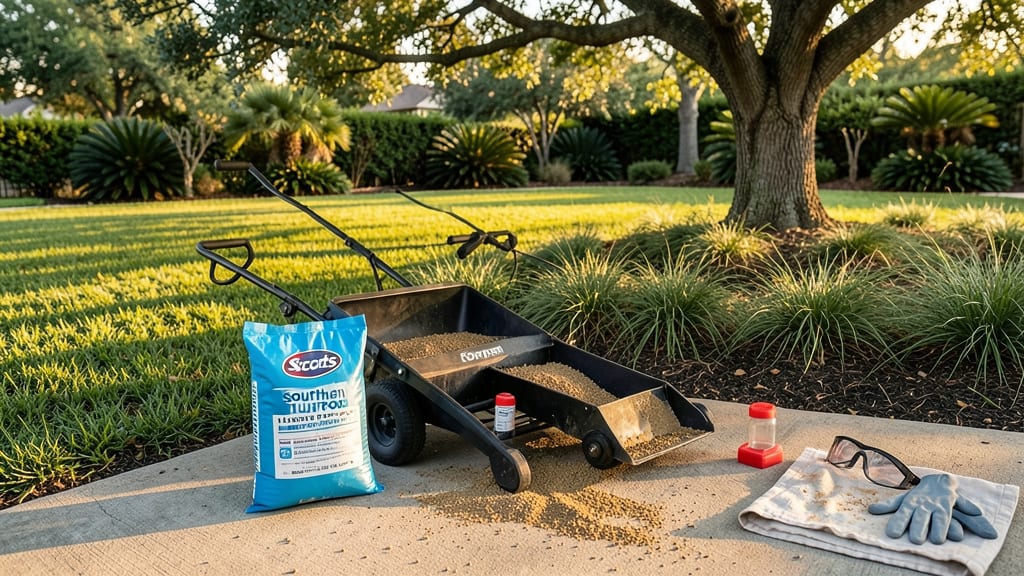
Fertilizing your lawn in Southern California at the right time—especially during the dormant winter months—can mean the difference between brown patches and a year-round green carpet.
Southern California’s mild winters and long growing season make lawn care a year-round challenge—but knowing the perfect fertilization schedule can turn your grass from patchy to lush without overburdening the soil.
Most homeowners assume feeding stops in winter, but cool-season grasses like ryegrass actually need a light winter application to stay resilient. Meanwhile, warm-season grasses like Bermuda thrive with a spring kickstart before summer’s heat sets in.
Below, I break down the exact months to fertilize for your grass type, how to adjust for coastal vs. inland microclimates, and the one trick that keeps your soil healthy without wasting water.
Southern California’s ideal fertilization timeline: month-by-month dormant feeding guide
Southern California’s mild winters and hot summers create unique challenges for lawn fertilization. Unlike northern climates, your grass doesn’t fully dormant—it stays semi-active year-round. This means timing matters to avoid burning roots in summer heat or encouraging weak growth in winter.
The key? Dormant feeding in cooler months and light feeding during heat spikes.
Coastal areas (like Malibu or San Diego) have cooler, foggier winters, while inland regions (like Los Angeles or Riverside) experience warmer winters and hotter summers.
Adjust your schedule 1-2 months earlier in inland zones. For example, fall feeding starts in September inland but can wait until October near the coast.
| Month | Coastal Regions | Inland Regions | Fertilizer Type | Key Notes |
|---|---|---|---|---|
| January | None | None | - | Grass is semi-dormant; avoid stressing roots. |
| February | None | None | - | Focus on light mowing (1/3 rule) to reduce stress. |
| March | Light feed (early) | Light feed (late) | Slow-release (12-12-12) | Prep for spring growth; avoid high nitrogen. |
| April | Feed (high N) | Feed (high N) | Balanced (16-4-8) | Critical growth phase; water deeply after feeding. |
| May | Light feed | Light feed | Slow-release (organic) | Reduce feeding as summer heat increases. |
| June | None | None | - | Grass goes dormant in heat; focus on watering. |
| July | None | None | - | Avoid any fertilization; risk of burn. |
| August | None | None | - | Continue deep watering (2-3x/week). |
| September | Feed (inland) | Feed (coastal) | Slow-release (12-12-12) | Best time for root strengthening before winter. |
| October | Feed (coastal) |
Signs your Southern California lawn needs fertilizer (and when to avoid it)Your Southern California lawn might be silently screaming for nutrients—even if it doesn’t look it. Dormant grass can hide deficiencies until they’re severe, but subtle clues like soil texture and footprint recovery reveal the truth. Ignoring these signs often leads to patchy growth or worse, over-fertilization that burns roots in our dry climate. Start by checking your grass color. Healthy cool-season grasses (like fescue) should be deep green, while warm-season grasses (like Bermuda) lean toward blue-green. Yellowing patches or pale streaks signal nitrogen deficiency—common after summer heat stress. But here’s the catch: overwatering can mimic nutrient issues, so test soil moisture first. 🌱 Here’s your quick-reference checklist: ✅ When to Fertilize
⚠️ When to Avoid
Dig deeper with the footprint test: Step on your lawn and wait 15 minutes. If the grass stays flattened, it’s weak from nutrient deficiency or compacted soil. Aerate first, then fertilize. For soil texture, grab a handful—if it crumbles like dust, your lawn craves organic matter more than synthetic fertilizer. Watch for weed dominance too. Crabgrass or clover thrives when your grass lacks nitrogen. But don’t fertilize if weeds are broadleaf types (like dandelions)—they’ll grow faster than your grass. Instead, spot-treat and improve soil health with compost before feeding. 💡 Pro tip: Southern California’s clay-heavy soils (inland) need gypsum before fertilizer to break up compaction. Coastal areas with sandy soil benefit from slow-release granules that won’t leach away. Always water deeply after applying to activate nutrients without runoff. If your lawn shows multiple signs (pale color + slow recovery + weeds), it’s time to test soil pH (ideal: 6.0-7.0) and adjust before fertilizing. Over-fertilizing in drought-prone areas is worse than under-feeding—it stresses roots and attracts pests. When in doubt, feed lightly and monitor for 3-4 weeks before reapplying. |