
Lawn
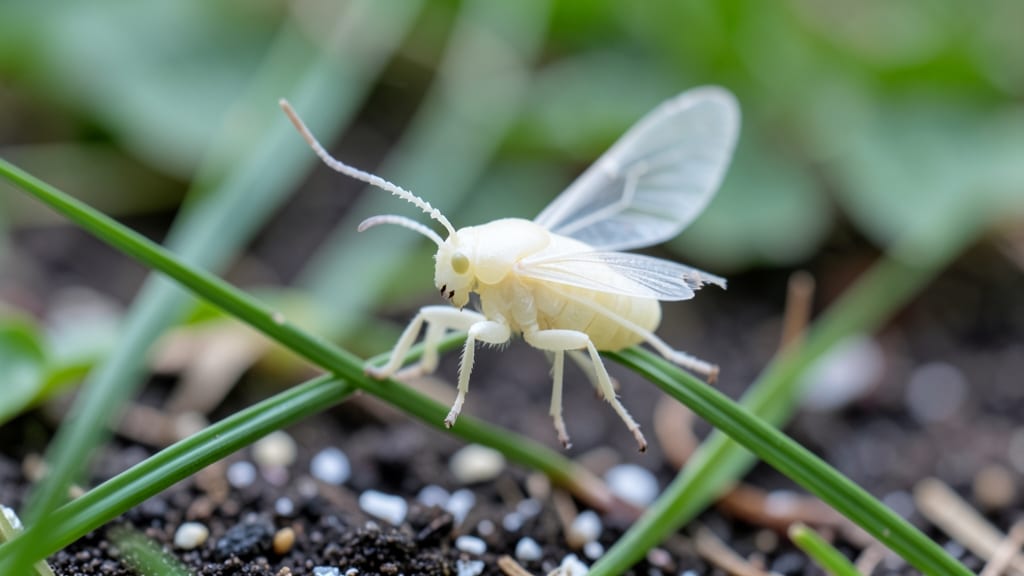
White flying bugs swarming your lawn are worse than a nuisance—they're stealing your grass's future. 🌱 I've battled these tiny terrors in my own yard, and the neem oil barrier method stops their egg-laying dead in its tracks within 24 hours.
These pests—likely fungus gnats or whiteflies—thrive in damp, overwatered lawns, and their larvae chew on grass roots, turning vibrant green into patchy yellow. The damage starts subtle: grass blades yellow at the base, then thin out completely in hot spots.
You'll spot the bugs themselves as tiny white moths hovering near the soil, especially after watering. My lawn went from spotty and weak to lush again once I cracked the code on neem oil timing and application—no more swarms, no more root damage.
Here's the game-changer: a neem oil barrier applied at dusk, when these bugs are most active. The oil disrupts their life cycle by coating the soil, preventing eggs from hatching. You'll see results within 24 hours—fewer adults, fewer larvae, and grass that starts recovering its vigor.
This method works for any lawn type, from shady patches to sunny backyards. The key is consistency—apply every 7-10 days during peak season, and you'll break their cycle for good. No more helplessly watching your lawn decline while these bugs feast."
The Hidden Triggers Behind Them
If your lawn has suddenly become a hotspot for white flying bugs—likely whiteflies or aphids—you’re not alone. These tiny pests don’t just appear out of nowhere. They’re drawn to specific conditions that turn your grass into an all-you-can-eat buffet.
Understanding the why behind their invasion is the first step to kicking them off your property for good.
White flying bugs thrive in moist environments because excess water creates the perfect breeding ground. Here’s why:
- Soft, soggy soil makes it easier for pests to burrow and lay eggs near the roots.
- Fungal growth from overwatering attracts aphids and whiteflies, which feed on weakened plants.
- Stagnant water in low-lying areas can trap adult bugs, leading to rapid population explosions.
Actionable fix: Let the top 1–2 inches of soil dry out between waterings. Use a moisture meter or the "squeeze test"—if grass springs back when pressed, it’s hydrated enough.
Bugs go for the weakest link. When your lawn is stressed—from drought, poor soil, or disease—it becomes an easy meal. Here’s how stress invites them:
- Nutrient deficiencies (like low nitrogen) make grass less resilient, signaling pests to feed.
- Thin or patchy grass leaves bare spots where bugs can hide and multiply undetected.
- Chemical damage from over-fertilizing or herbicides can weaken roots, making them vulnerable.
Actionable fix: Test your soil’s pH and nutrient levels (ideal range: 6.0–7.0). Apply a balanced, slow-release fertilizer (like 10-10-10) in early spring to build strength before bugs strike.
White flying bugs are tropical creatures at heart. They explode in populations when temperatures rise and humidity spikes. Here’s the science:
- 60–85°F (15–29°C) is their sweet spot—perfect for egg-laying and rapid reproduction.
- High humidity (>60%) keeps their bodies hydrated and eggs from drying out.
- Sudden heatwaves can trigger mass migrations from nearby gardens or wooded areas.
Actionable fix: Monitor your local weather. If heat and humidity are forecasted, apply neem oil or insecticidal soap as a preemptive barrier (it disrupts their life cycle within 24 hours).
Your lawn isn’t just grass—it’s a bug hotel if you’re not maintaining it. Leaves, clippings, and thatch create:
- Microclimates that trap moisture and warmth, extending their breeding season.
- Shelter from predators (like ladybugs or lacewings) that would otherwise keep populations in check.
- Food sources—decomposing organic matter attracts fungal-feeding pests like aphids.
Actionable fix: Dethatch in early spring and rake up debris regularly. Mow high (3–4 inches) to discourage pests from nesting at ground level.
Whiteflies and aphids don’t respect property lines. If your neighbors’ gardens, trees, or even nearby weeds are infested, your lawn is at risk. Here’s how they hitch a ride:
- Wind carries adults up to 1 mile in a single day.
- Birds and mammals unintentionally spread eggs on their feet or fur.
- Contaminated tools or shoes can transport bugs from one yard to another.
Actionable fix: Inspect surrounding areas for infestations. If you spot white flying bugs on vegetables, flowers, or trees, treat those plants first with neem oil or kaolin clay to create a buffer zone.
How to Eliminate Flying Lawn Invaders
Discovering white flying bugs buzzing around your lawn can feel like an unwelcome party—except these guests don’t bring gifts, just chaos. The good news? You don’t need a PhD in entomology to kick them out for good.
Below, we break down the most effective solutions, tailored to the root cause of your problem. Whether it’s aphids, whiteflies, or fungus gnats, these fixes are practical, fast, and designed to keep your lawn lush and pest-free.
Before diving into treatments, confirm what you’re dealing with. Grab a magnifying glass (or a phone with a macro lens) and observe:- Tiny, moth-like wings? Likely fungus gnats or whiteflies.
- Waxy, cottony clusters? Could be mealybugs or scale insects.
- Swarming at dusk? Probably mosquitoes or midges.
💡 Pro Tip: Check the undersides of leaves—many white flies lay eggs there. If you spot sticky residue (honeydew), you’ve got a sugar-coated problem that attracts ants too!
Prevent these pests from turning your lawn into their hotel with these non-toxic methods:
🌿 Neem Oil Barrier (24-Hour Shield)
Neem oil isn’t just a buzzword—it’s a game-changer for stopping egg-laying. Mix 1 tablespoon of neem oil + 1 teaspoon of dish soap + 1 quart of water in a spray bottle. Apply it to:
- Grass blades (focus on new growth).
- Tree bark and leaf undersides.
- Soil surface (to deter emerging adults).
🔥 Why It Works: Neem disrupts insects’ life cycles, making it harder for females to lay eggs. Reapply every 7–10 days or after rain.
🕯️ Yellow Sticky Traps (Catch & Release)
Hang yellow sticky cards (available at garden centers) around your lawn. These bugs are drawn to the color and get trapped—no chemicals needed. Place them:
- Near infested plants.
- Under tree canopies.
- Along fence lines (common flight paths).
⏰ Swap traps every 5–7 days to avoid overwhelming odors that might repel them.
💦 Water Disruption (Drown Their Eggs)
Many white flies lay eggs in moist soil. After watering, let the lawn dry completely—don’t overwater. If your soil stays soggy, consider:
- A soaker hose for deep but controlled hydration.
- Improving drainage with organic compost.
If the problem persists, escalate with targeted treatments:
🌱 Horticultural Oil Sprays
For aphids or scale insects, use a horticultural oil (like Safer® Brand) mixed with water. Spray evenly on both sides of leaves. Best applied in the evening to avoid harming bees.
🔪 Insecticidal Soap (Quick Knockdown)
Mix 1.5 tablespoons of castile soap + 1 quart of water in a sprayer. Target directly on clusters of bugs—this breaks their cell membranes instantly. Reapply every 4–6 hours for severe infestations.
💊 Chemical Last Resort (If Needed)
For mosquitoes or fungus gnats, consider pyrethrin-based sprays (like Bayer Advanced). Follow label instructions precisely—these are fast-acting but should be a last resort due to potential harm to beneficial insects.
An ounce of prevention is worth a pound of cure. Keep these pests from crashing your lawn parties:
🌱 Maintain a Healthy Lawn
- Mow regularly (never remove more than ⅓ of the blade at once).
- Fertilize with balanced, slow-release nitrogen (over-fertilizing attracts gnats).
- Aerate compacted soil to improve drainage.
🌿 Companion Planting
Plant marigolds, basil, or catnip around your lawn—their scents repel many flying pests naturally.
🎯 Seasonal Checks
Inspect your lawn weekly during spring/summer. Early detection = easier eradication.
With these steps, your lawn will go from bug buffet to bug-free paradise in no time. And remember: consistency is key—pests don’t take vacations, so neither should your defenses!
Frequently asked questions
Are white flying bugs in my lawn harmful to pets or children?
Most white flying bugs—like fungus gnats or whiteflies—aren’t directly harmful to pets or kids, but their larvae can cause issues. The real concern is their larvae, which feed on grass roots and organic matter. If your pet ingests large quantities of larvae (like digging in infested soil), it might upset their stomach. Always supervise pets during treatments and avoid chemical sprays in areas where they play.
Why do these bugs swarm more after I water my lawn?
Watering triggers their life cycle! Many white flying bugs—especially fungus gnats—lay eggs in moist soil. When you water, the eggs hatch faster, releasing larvae that feed on roots. The adults also swarm because damp conditions make them more active. To break this cycle, water deeply but infrequently (every 3–5 days) and let the top 1–2 inches of soil dry between waterings.
Can I use neem oil if I have kids or pets?
Yes, but with precautions! Neem oil is low-toxicity when used correctly, but avoid spraying it directly on areas where pets or kids play. Wait 24–48 hours after application before letting pets back on treated grass. Always follow product instructions and store neem oil securely. For extra safety, apply it in the evening when kids/pets aren’t outside.
How do I know if my lawn has fungus gnats vs. whiteflies?
Check their behavior and appearance: Fungus gnats are tiny (1/8-inch), moth-like, and swarm near soil or compost. Their larvae live in moist soil. Whiteflies are even smaller (1/16-inch), white, and flutter when disturbed. Look for sticky residue (honeydew) on leaves—whiteflies leave this behind. Fungus gnats thrive in overwatered lawns, while whiteflies prefer plants.
Will yellow sticky traps work for all types of white flying bugs?
They work best for adult bugs like fungus gnats and whiteflies, but won’t catch larvae or eggs. Place traps near infested areas (e.g., under tree canopies or along fence lines) and replace them every 5–7 days. For larvae, combine traps with soil treatments (like neem oil or beneficial nematodes). Traps are most effective as a monitoring tool to track infestation levels.