
Lawn
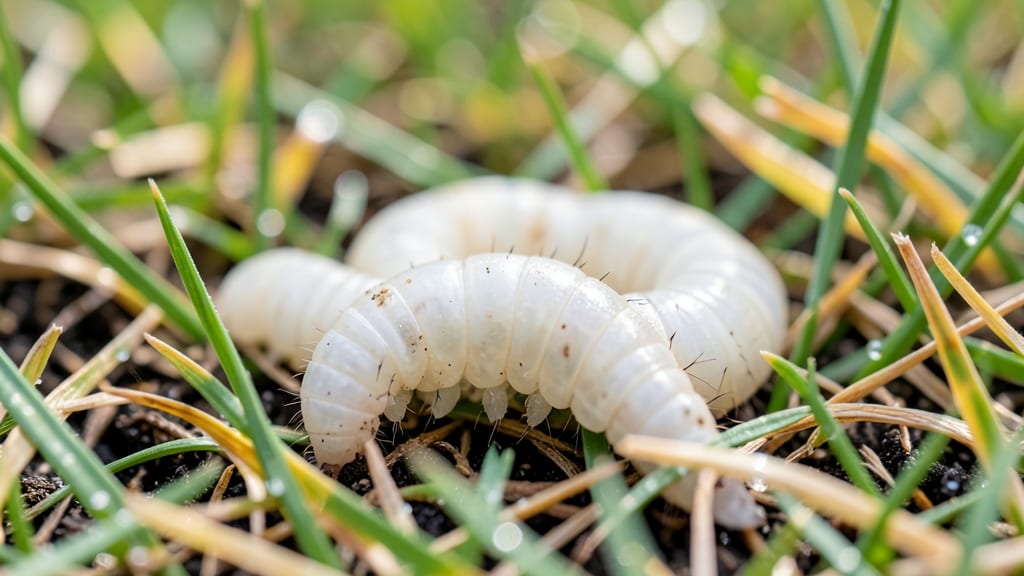
White bugs crawling across your lawn aren’t just an annoyance—they’re a sign your grass is under attack. 🌱 I’ve battled everything from tiny white grubs to cottony mealybugs, and the key to stopping them starts with knowing exactly what you’re dealing with before grabbing chemicals.
These pests leave behind telltale damage: brown patches where roots are eaten, wilting blades, or sticky residue from sap-sucking invaders. The good news? Most can be controlled without harsh sprays.
I’ll walk you through how to spot them, what they’re munching on, and the most effective organic fixes—like nematodes for grubs or soapy water for mealybugs—that actually work.
By the end, you’ll know whether to dig deeper for grubs, blast off mealybugs with a spray, or call in reinforcements (like birds or beneficial insects). The goal? A lawn that stays green without turning your yard into a chemical battlefield.
This works for any season, though spring and summer are peak attack times. Let’s get those white bugs out of your grass for good.
📚 In This Guide
- What you need
- Instructions
- Tips and common mistakes
- Wrapping up and next steps
What you need
- ● Magnifying glass or hand lens – For close-up inspection of bugs (5x–10x magnification recommended).
- ● Small clear container or jar – To safely capture and examine a specimen (e.g., a 16-oz mason jar with a lid).
- ● Gloves (nitrile or rubber) – Protects hands from bites or irritants (1–2 pairs).
- ● Spray bottle (16 oz) – For DIY organic sprays (e.g., soapy water or neem oil mix).
- ○ Garden hose with adjustable nozzle – For rinsing affected areas (optional but helpful).
- ● Notebook & pen – To log observations (e.g., bug size, location, behavior).
- ● Neem oil (100% pure, 16 oz) – Natural insect repellent and growth regulator.
- ● Diatomaceous earth (food-grade, 5–10 lbs) – Dries out soft-bodied pests (apply lightly to avoid harming plants).
- ● Insecticidal soap (ready-to-use, 32 oz) – Kills soft-bodied bugs on contact (test on a small lawn patch first).
- ● Beneficial nematodes (e.g., Steinernema carpocapsae, 1–5 million per acre) – Targets grubs and larvae (apply with a watering can).
- ● Milk or dish soap (unscented, 1 tbsp per gallon of water) – Quick DIY spray for immediate control.
- ● Identify the bugs – Confirm they’re not beneficial insects (e.g., whiteflies vs. aphids vs. fungus gnats).
- ● Check weather forecast – Avoid treatments before rain (wait 24–48 hours for dry conditions).
- ● Clear the area – Remove toys, pet bowls, or debris where bugs might hide.
How to identify and eradicate white bugs in your lawn
Here's how I tackle those pesky white invaders—no chemicals needed.
🔍 Step 1: Identify the Bugs (Key Visual Clues)
First, get up close with a magnifying glass or hand lens. Most white lawn pests fall into three categories: mealybugs (cottony clusters), aphids (tiny, pear-shaped), or white grubs (C-shaped larvae). Mealybugs leave sticky residue on grass blades, while aphids cluster on new growth. Grubs hide beneath the surface—dig up a small patch to check.
Look for wilted grass patches or thin spots where bugs are most active. Early morning is best for spotting them—they’re sluggish when temperatures drop. If you see tiny white moths fluttering nearby, those could be sod webworms, whose larvae turn lawns brown overnight.
🌱 Step 2: Choose Your Organic Treatment Method
For mealybugs and aphids, I spray a soapy water solution (1 tablespoon mild dish soap per gallon of water) directly on infested areas. The soap disrupts their waxy coating, causing dehydration. Reapply every 3-5 days until they disappear—this takes patience but works without harming grass.
For white grubs, focus on beneficial nematodes (like Heterorhabditis bacteriophora). Mix 1 pound of nematodes per 1,000 square feet with water and apply in the evening when soil is moist. They seek out grubs underground, injecting bacteria that kill them within 48 hours. Water lightly afterward to help them move deeper into the soil.
☀️ Step 3: Strengthen Your Lawn’s Defense
Healthy grass crowds out pests naturally. Mow high (3-4 inches) to shade the soil and reduce egg-laying spots. Overwatering invites grubs, so water deeply 2-3 times per week instead of daily light sprinkles. Let the top inch dry between waterings to discourage fungal growth that attracts insects.
Spread 1-2 pounds of organic nitrogen fertilizer (like composted manure) over 1,000 square feet in early spring. This boosts root growth, making grass more resilient. Avoid synthetic fertilizers—they can stress grass and attract more pests. Rake lightly to work it into the top ½ inch of soil.
✂️ Step 4: Monitor and Repeat as Needed
Check your lawn weekly for new clusters or damage. Early intervention is key—tiny infestations are easier to control. If you spot white moths (sod webworm adults), set up pheromone traps to monitor their activity. These traps mimic female moths and lure males away from laying eggs.
For stubborn grubs, repeat the nematode treatment every 4-6 weeks during peak season (late spring to early summer). Pair this with milky spore powder (a natural bacteria that targets grubs). Sprinkle 1 pound per 500 square feet and water it in. Results take 2-3 weeks, but it builds up in the soil over time for long-term protection.
Tips & tricks for perfect lawn pest control
Real talk: These are the hard-won lessons that'll save you time and frustration when tackling those white lawn pests.
Timing Secret: The 48-hour window after applying beneficial nematodes is critical. That's when they actively seek out grubs underground. I always apply mine in the late afternoon or evening—this gives them time to move into the soil before nightfall, when they're most active. Water lightly afterward to help them migrate deeper.
Visual Cue for Identification: When checking for mealybugs in Step 1, look for those telltale cottony clusters that resemble tiny tufts of cotton. If you see sticky residue on grass blades, that's your confirmation—mealybugs secrete honeydew that attracts ants. For grubs, dig up a small patch of turf and look for those C-shaped larvae about ½ inch long. They'll wiggle when exposed to light.
Soapy Solution Tip: For the soapy water treatment in Step 2, I use a drop of mild dish soap like Dawn in my gallon spray bottle. The key is to spray until the leaves are thoroughly wet—you want complete coverage. Reapply every 3-5 days until the pests disappear. I've found that consistency is more important than frequency, so don't skip days just because you don't see immediate results.
Fertilizer Application: When spreading that 1-2 pounds of organic nitrogen fertilizer in Step 3, focus on the areas where you've seen the most pest activity. I use a spreader set to the lowest setting to ensure even distribution. The top ½ inch of soil is where those beneficial microbes need to work, so rake lightly afterward to incorporate it without disturbing the grass roots too much.
Pro Tips for White Bugs In Lawn
- Real talk: These are the hard-won lessons that'll save you time and frustration when tackling those white lawn pests.
- Timing Secret: The 48-hour window after applying beneficial nematodes is critical. That's when they actively seek out...
- Visual Cue for Identification: When checking for mealybugs in Step 1, look for those telltale cottony clusters that r...
Frequently asked questions
about white bugs in your lawn—because even the most diligent gardeners have questions! Here are some of the most common ones, answered clearly and concisely.What are these tiny white bugs in my grass?
Those little white bugs are likely springtails or fungus gnats. Springtails are harmless, moisture-loving critters that thrive in damp soil. Fungus gnats, however, can be pests if they’re swarming around your plants. Both are usually white or translucent and tiny—about 1/16th of an inch long.
Are white bugs in my lawn harmful?
Most white bugs, like springtails, are not harmful to your lawn or garden. They feed on decaying organic matter and help break it down. However, if you’re seeing large numbers of fungus gnats, they can damage young plants or seedlings by feeding on roots. Keep an eye on their behavior and take action if needed.
When is the best time to treat white bugs?
The best time to address white bugs is early spring or fall, when they’re most active. If you’re dealing with fungus gnats, treat before planting seedlings to prevent root damage. For springtails, focus on reducing moisture in the soil if they’re overpopulating—treatment isn’t usually necessary.
What are some organic ways to get rid of them?
Try these natural solutions:
- Reduce moisture: Overwatering attracts springtails and fungus gnats. Water deeply but less frequently.
- Diatomaceous earth: Sprinkle food-grade DE around affected areas to dehydrate and kill bugs.
- Beneficial nematodes: These microscopic worms target fungus gnat larvae in the soil.
- Yellow sticky traps: Place them near plants to catch adult fungus gnats.
For springtails, simply letting the soil dry out a bit often resolves the issue.
Why do I keep seeing white bugs even after treatment?
If white bugs persist, it could mean:
- Your lawn is still too moist—springtails and fungus gnats love damp conditions.
- You’re dealing with a different pest, like mealworms or white grubs, which may require different treatments.
- The treatment wasn’t applied correctly or frequently enough.
Double-check your approach and consider consulting a local extension service for a second opinion!
Wrapping up and next steps
Spotting white bugs in your lawn can be frustrating, but with the right identification and organic solutions, you’re already on the path to a healthier yard! 🌱 Whether they’re fungus gnats, mealybugs, or springtails, understanding their behavior and using natural remedies like neem oil, diatomaceous earth, or beneficial nematodes puts you in control. Don’t wait—act now to protect your grass and garden!
Ready to take action? Start by inspecting your lawn today, then apply one of the organic fixes mentioned. For stubborn infestations, consider reaching out to a local eco-friendly pest control expert—your lawn will thank you! 🚀