
Lawn
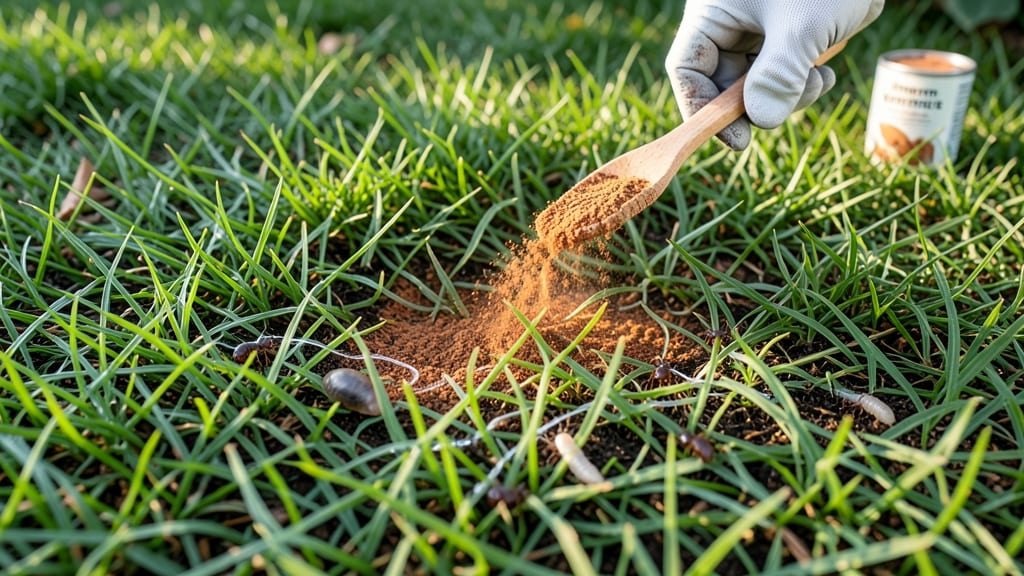
Cinnamon repels lawn pests like slugs, ants, and grubs by disrupting their scent trails and feeding habits, offering a natural, non-toxic alternative to chemical repellents. Sprinkle ground cinnamon around plants or mix it into soil for best results.
Cinnamon's secret weapon is cinnamaldehyde, the compound that gives it its signature scent and taste.
This natural oil confuses pests by masking the smells that attract them to your lawn—think of it as a scent-based misdirection. 🔥 For slugs, it disrupts their mucus trails, while ants avoid it because it interferes with their pheromone communication. The bonus?
It also inhibits fungal growth in the soil, creating a healthier environment for your plants.
When applying, aim for 1-2 tablespoons of ground cinnamon per plant, focusing on problem areas like garden edges or near mulch. Reapply after rain or every 2-3 weeks for continuous protection.
For maximum effectiveness, combine it with other organic methods like diatomaceous earth or neem oil—this layered approach creates a stronger pest barrier without harsh chemicals.
💡 In This Article
- How Cinnamon Disrupts Pest Behavior and Ecology
- Effective Cinnamon Pest Control Application Guide
How cinnamon disrupts pest behavior and ecology
Cinnamon's pest-repelling power comes from its active compound, cinnamaldehyde, which makes up 75-90% of cinnamon's essential oil. This aromatic aldehyde works like a chemical disruptor—it overpowers the scent trails that pests like slugs and ants rely on to navigate.
For slugs, cinnamon's strong aroma interferes with their mucus-based pheromone trails, making it difficult for them to follow each other's paths. Studies show slugs avoid surfaces treated with cinnamon at concentrations as low as 0.5% by weight.
Ants have a sophisticated chemical communication system, and cinnamaldehyde scrambles their foraging patterns. When ants encounter cinnamon-treated areas, they lose their ability to track food sources through pheromones, effectively breaking their recruitment chains.
The compound also acts as a mild irritant to their antennae, which are highly sensitive to chemical cues. Unlike chemical pesticides that kill pests outright, cinnamon creates a "no-go zone" that pests instinctively avoid—similar to how citrus oils deter fruit flies.
Beyond repelling pests, cinnamon improves soil health by inhibiting fungal growth. Fungal spores rely on specific chemical signals to germinate, and cinnamaldehyde disrupts these signals at concentrations found in treated soil. This creates a double benefit: fewer pests AND healthier plant roots.
The spice's antimicrobial properties also help prevent common lawn diseases like powdery mildew, which often attract secondary pests like aphids. 🌱
What makes cinnamon particularly effective is its dual action—it works both as a repellent AND a growth inhibitor. Unlike diatomaceous earth (which dehydrates pests) or neem oil (which disrupts feeding), cinnamon attacks multiple fronts: scent disruption, physical irritation, and microbial control.
This multi-layered approach explains why gardeners often see results within 24-48 hours of application, even against persistent pests like earwigs or cutworms.
Temperature and moisture play crucial roles in cinnamon's effectiveness. The compound's volatility increases in warm conditions (above 70°F), releasing more aromatic molecules that pests detect. However, heavy rain can wash it away, which is why reapplication is key.
The spice's granular texture also helps it adhere to plant surfaces better than liquid repellents, providing longer-lasting protection against crawling insects.
For best results, use cinnamon's natural properties to your advantage by applying it when pests are most active—typically during dawn or dusk when slugs and ants forage. The spice's warm, sweet aroma also masks the scent of your plants, making them less appealing to herbivorous pests like Japanese beetles.
This dual strategy of repelling AND camouflaging creates a formidable organic defense system.