
Flowers
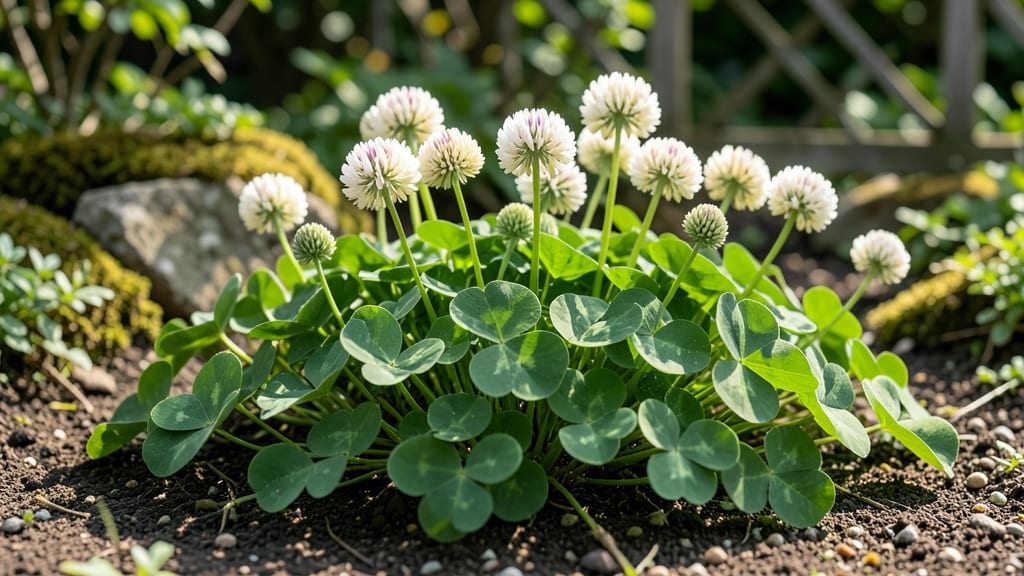
Those tiny white flowers popping up in your lawn aren't just unsightly—they're telling you something about your grass. 🌱 Whether it's clover, chickweed, or wildflowers, they're either a sign your lawn needs attention or (in some cases) a free pollinator buffet.
I've spent years wrestling with these little white invaders, and I'm sharing the natural ways to manage them without chemicals. The first step is identifying what you're dealing with: clover thrives in thin spots, chickweed loves cool, damp soil, and wildflowers often mean your lawn isn't getting enough love.
Mowing higher than 3 inches shades out weeds while keeping grass healthy, and overseeding in fall fills bare patches before they become weed magnets. The key is consistency—just like with anything worth growing. What you end up with is a lawn that looks intentional, not overrun.
The grass stays thick, the white blooms disappear, and you avoid the chemical battle that leaves residue behind. Plus, if those flowers are clover or wildflowers, you might just be supporting bees and butterflies while you work. This works for any lawn type, from sunny backyards to shady patches.
Let's get your grass back to looking like it belongs there.
The Real Culprits Behind Lawn Blooms
Those unexpected tiny white flowers popping up in your lawn aren’t just a cosmetic nuisance—they’re often a sign of underlying issues in your soil, grass health, or seasonal changes.
Understanding the root causes helps you address the problem effectively. Below, we break down the most common reasons these delicate blooms appear, complete with science-backed explanations and actionable insights.
When your lawn grass struggles to grow thickly—whether due to poor soil, foot traffic, or neglect—weeds and wildflowers seize the opportunity. Tiny white flowers like chickweed or clover thrive in sparse areas because they require less sunlight and nutrients than dense turf.
Why it happens:
- Competition for resources: Grass roots compete with weeds for water, nitrogen, and sunlight. If your lawn is thin, weeds outcompete it, leading to blooms.
- Soil compaction: Heavy foot traffic or machinery compresses the soil, reducing oxygen flow to grass roots. This stress weakens grass, making it easier for invasive species to take hold.
- Improper mowing height: Cutting grass too short exposes bare soil, giving weeds a foothold. Most lawn grasses need 2–4 inches of height to shade out weeds naturally.
💡 Pro Tip: Test your soil’s compaction by pressing a screwdriver into the ground. If it won’t go past 2 inches, aerate your lawn in fall or spring to relieve pressure on roots.
Lawns that stay soggy—whether from overwatering, clay soil, or poor drainage—create the perfect conditions for moisture-loving weeds like ground ivy or white clover. These plants often produce tiny white flowers as they spread aggressively in damp environments.
Why it happens:
- Waterlogged soil: Excess moisture suffocates grass roots by cutting off oxygen, while weeds adapt by developing shallow, sprawling root systems that thrive in wet conditions.
- Clay or compacted soil: These soils repel water, leading to surface puddles that encourage weed germination. Tiny white-flowering weeds like prostrate spurge love these conditions.
- Irrigation issues: Overhead sprinklers can create uneven moisture zones, where some areas stay damp longer than others, promoting weed growth.
🌡️ Actionable Fix: Improve drainage by adding organic matter (like compost or sand) to clay soil. For low spots, create gentle slopes or install French drains to redirect water.
Weeds often bloom in lawns where grass lacks essential nutrients, particularly nitrogen. Tiny white-flowering weeds like dandelions or creeping buttercup flourish in soil that’s either too rich in phosphorus or too poor in organic matter.
Why it happens:
- Low nitrogen levels: Grass needs nitrogen for lush growth. If your soil is deficient, weeds with lower nutrient demands (like clover) take over, producing white flowers to spread via seed.
- High phosphorus levels: Over-fertilizing with phosphorus-heavy products (e.g., bone meal) can encourage weed growth while weakening grass resilience.
- Lack of organic matter: Soil with minimal compost or decomposed plant material struggles to retain moisture and nutrients, leaving gaps for weeds to exploit.
🎯 Science-Backed Solution: Conduct a soil test to check pH and nutrient levels. If nitrogen is low, use a slow-release organic fertilizer (like alfalfa meal) in early spring. Avoid phosphorus-heavy amendments unless your test confirms a deficiency.
During late summer or early fall, some lawn grasses enter dormancy, especially in hot, dry climates. This temporary slowdown creates openings for annual weeds like henbit or speedwell, which produce tiny white flowers to propagate quickly before winter.
Why it happens:
- Grass dormancy: Heat stress or drought causes grass to go dormant, reducing its ability to outcompete weeds. Weeds, which are often cool-season plants, fill the void.
- Seed bank activation: Many tiny white-flowering weeds lie dormant in the soil as seeds. When conditions improve (e.g., cooler temps + moisture), they germinate en masse.
- Delayed overseeding: If you haven’t reseeded bare patches in fall, weeds will dominate until grass recovers.
⏰ Timing Matters: Overseed your lawn in early fall (when soil is warm but air is cool) to give grass a head start before winter weeds like chickweed take over.
By pinpointing the cause—whether it’s thin turf, moisture issues, nutrient imbalances, or seasonal shifts—you can tailor your approach to eliminate these unwanted blooms naturally. The key is consistency: healthy grass is the best weed deterrent!
Quick Fixes for Unwanted Blooms
Got those pesky tiny white flowers popping up in your lawn and wondering how to kick them to the curb? Don’t worry—you’re not alone! Whether they’re wildflowers, weeds, or even invasive plants, there are natural, effective ways to manage (or eliminate) them without harsh chemicals.
Below, we’ve broken down solutions by cause, so you can tackle the problem head-on with confidence.
If your lawn is turning into a meadow of tiny white blooms, it’s likely clover, white Dutch clover, or other wildflowers. These plants thrive in sunny, well-drained soil and can outcompete grass if left unchecked.
🔥 Pull Them by Hand (Best for Small Patches)
- When to do it: Early morning or after rain (soil is soft).
- How to do it: 1. Use a weeding tool or your hands to grip the plant at the base.
- Twist gently to loosen the roots—don’t just yank, or you’ll leave fragments behind.
- Dispose of them in a trash bag (not compost, unless you want more weeds!). - Pro Tip: 💡 Wear gloves to avoid skin irritation from sap.
🍳 Smother Them with Mulch or Cardboard
- Best for: Large areas where hand-pulling isn’t practical.
- How to do it: 1. Lay down cardboard or thick layers of newspaper over the affected area. 2. Cover with 2-3 inches of mulch (straw, wood chips, or even grass clippings).
- Wait 4-6 weeks—the weeds will decompose under the weight. - Pro Tip: ✨ For lawns, use thick layers of grass clippings instead of mulch to avoid suffocating grass.
👨🍳 Overseed with Grass (Prevent Future Growth)
- Best for: Restoring a lush lawn after removal.
- How to do it: 1. Rake the area to loosen soil. 2. Spread grass seed (choose a shade-tolerant variety if needed).
- Water lightly daily for 2 weeks until new grass sprouts. - Pro Tip: 🌡️ Do this in early fall for best results—cool weather helps grass establish roots.
If the tiny white flowers are part of a low-growing, spreading weed like Creeping Charlie (also called Gill-over-the-ground), you’ll need a multi-step approach to stop its advance.
🔪 Spot-Treat with Vinegar (Natural Herbicide)
- Best for: Small, isolated patches.
- How to do it: 1. Mix 1 gallon of white vinegar + 1 oz. dish soap + 1 cup salt in a spray bottle.
- Spray directly on leaves (avoid grass—this will kill it too!).
- Reapply every 3-5 days until the weed dies (usually 1-2 weeks). - Pro Tip: ⏰ Do this on a dry, sunny day for maximum effectiveness.
🥘 Solarize the Soil (For Stubborn Infestations)
- Best for: Large areas where weeds keep coming back.
- How to do it: 1. Water the area thoroughly the day before. 2. Lay down clear plastic sheeting (at least 1 mil thick) and secure edges with soil or rocks.
- Leave it for 4-6 weeks in hot weather (soil temps should reach 104°F+).
- Remove plastic, till the soil, and reseeding with grass. - Pro Tip: 🎯 Works best in summer—heat is the real weapon here!
🌡️ Adjust Mowing & Watering Habits
- Mow high (3-4 inches) to shade out weeds.
- Water deeply but infrequently (1-1.5 inches per week) to encourage deep grass roots.
- Avoid nitrogen-heavy fertilizers—weeds love lush, weak grass.
If the tiny white flowers are part of fast-spreading annuals like chickweed or henbit, they’ll return year after year if not controlled early.
🍳 Pre-Emergent Herbicide (Preventative)
- Best for: Stopping weeds before they sprout.
- How to do it: 1. Apply corn gluten meal (natural pre-emergent) in early spring (before weeds appear).
- Follow label rates—usually 20 lbs per 1,000 sq ft.
- Reapply in fall for winter weeds. - Pro Tip: 💡 Corn gluten also improves soil fertility—win-win!
🔥 Manual Removal + Soil Sterilization
- Best for: Heavy infestations.
- How to do it: 1. Pull weeds when soil is moist (roots come out easier).
- Sprinkle diatomaceous earth (food-grade) around the area to deter regrowth.
- Solarize or till the soil in summer to kill remaining seeds.
Once you’ve cleared the tiny white invaders, keep them from coming back with these long-term strategies:
- 🌱 Strengthen Your Grass:
- Test soil pH and adjust if needed (most weeds hate acidic soil—aim for 6.0-7.0).
- Aerate compacted lawns to help grass outcompete weeds.
- 💡 Smart Watering:
- Water deeply but less often (encourages deep grass roots that shade out weeds).
- Water in the morning to reduce fungal growth.
- 🎯 Regular Maintenance:
- Mow at 3-4 inches—taller grass blocks sunlight from weed seeds.
- Dethatch every 1-2 years to prevent weed seed buildup.
- 🌿 Natural Barriers:
- Plant ground covers like creeping thyme or clover (if you don’t mind some white blooms!) along borders.
- Use mulch in garden edges to prevent weed spread.
Final Thought: 🌿 Tiny white flowers in the lawn don’t have to be a lost cause—with the right mix of manual removal, natural herbicides, and smart lawn care, you can reclaim your green space without toxic chemicals.
Start with the method that fits your situation, and soon, you’ll have a lush, weed-free lawn to enjoy!
Frequently asked questions
Are tiny white flowers in my lawn always weeds?
Not necessarily! Many tiny white blooms are actually beneficial wildflowers like clover or white Dutch clover, which add nitrogen to your soil and support pollinators. Only consider them weeds if they're spreading aggressively or you prefer a pure grass lawn. Always check before pulling—some may be native plants doing you a favor!
Why do these flowers appear after I just fertilized?
Fertilizer can actually encourage weeds like chickweed or henbit by creating nutrient-rich conditions they love. If you used a high-nitrogen fertilizer, it may have weakened your grass while giving weeds the boost they needed. Try switching to a slow-release organic fertilizer and watering deeply but less frequently to strengthen your grass roots.
What's the fastest way to remove tiny white flowers without chemicals?
For immediate results, try the vinegar spray method: mix 1 gallon white vinegar + 1 oz dish soap + 1 cup salt and spray directly on leaves (avoid grass). Reapply every 3-5 days for 1-2 weeks. For large areas, smother with cardboard + mulch for 4-6 weeks—this blocks sunlight and kills weeds naturally.
Will mowing higher help prevent these flowers from coming back?
Mowing grass at 3-4 inches shades out 70% of weed seeds by blocking sunlight. Taller grass also develops deeper roots that compete better with weeds. Just avoid cutting more than 1/3 of the blade height at once to prevent stress on your lawn.
Are there any tiny white flowers that actually improve my lawn?
Yes! White clover adds nitrogen to your soil while supporting bees, and some wildflowers like white sweet clover help prevent erosion. If you're okay with a few blooms, consider leaving patches of these beneficial plants—just monitor their spread. For a cleaner look, focus on overseeding with grass in fall to crowd them out naturally.