
Lawn
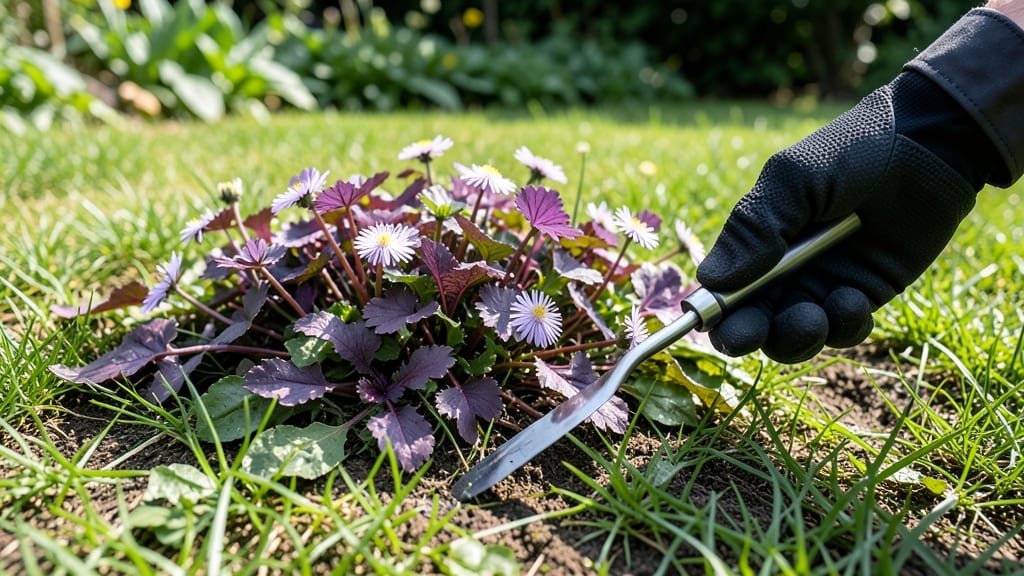
Those stubborn purple weeds growing in your lawn? 🌱 I’ve wrestled with them for years, and the good news is they’re easier to beat than you think—once you know what you’re dealing with.
Most purple weeds are either clover (soft leaves, three-leaf clusters), chickweed (tiny oval leaves with a slightly sticky stem), or creeping Charlie (purple flowers with square stems). The key to eradicating them is acting fast before they spread.
With the right tools—whether it’s a dandelion digger, spot treatment vinegar, or pre-emergent herbicide—you can clear them in under an hour. The secret is consistency: pull or treat them weekly until they’re gone.
Prevention is just as simple: overseed bare patches, mow high (3-4 inches), and water deeply but infrequently. If they keep coming back, it might be time to call in a pro for a soil test.
Root Causes of Purple Weeds
Understanding why purple weeds pop up in your lawn is the first step to stopping them for good. These pesky invaders don’t just appear out of nowhere—they’re often a sign that something’s off with your lawn’s health or environment.
Let’s break down the most common reasons, backed by science, so you can take action.
Purple weeds, like henbit or chickweed, thrive when your soil isn’t quite right. If your lawn soil is compacted, nutrient-deficient, or lacks proper drainage, these weeds seize the opportunity to take root. Here’s why:
- Compacted Soil: Heavy foot traffic, machinery, or clay-heavy soil can squeeze out air and water, making it hard for grass roots to grow.
Purple weeds, with their shallow roots, can sprout easily in these gaps. - Low Nutrients: If your lawn lacks nitrogen, phosphorus, or potassium, grass struggles to outcompete weeds.
A simple soil test can reveal deficiencies—look for a pH below 6.0 or above 7.5, which can also hinder grass growth. - Excess Moisture or Drainage Issues: Weeds like purple deadnettle love soggy spots. Poor drainage leads to waterlogging, creating ideal conditions for weeds while stressing grass.
Actionable Fix: Aerate your lawn in the fall to relieve compaction, then top-dress with compost to improve soil structure. Test your soil and amend it with lime (for acidic soil) or sulfur (for alkaline soil) to hit the ideal pH of 6.0–7.0.
Watering your lawn incorrectly is a fast track to a weed-filled yard. Purple weeds often flourish when grass is either drowned or dehydrated.
- Overwatering: Keeps soil perpetually moist, encouraging shallow-rooted weeds like henbit. It also washes away nutrients, leaving grass weak.
- Underwatering: Stress weakens grass, giving weeds an opening. Even a few days of drought can turn your lawn into a weed magnet.
Actionable Fix: Water deeply 1–1.5 inches per week, either through rain or irrigation. Use a rain gauge or tuna can to measure—early morning is best to reduce evaporation and fungal risks. Let the top inch of soil dry between waterings to prevent over-saturation.
Grass that’s sparse or patchy leaves gaps for weeds to invade. Purple weeds spread quickly in these openings because they germinate faster than grass seeds.
- Thin Grass: Over time, grass thins due to age, disease, or poor maintenance.
Weeds fill the void before you can reseed. - Shady or Sunny Spots: Some lawns have areas where grass struggles—too much shade (like under trees) or full sun exposure can create weak spots. - Recent Construction or Disturbance: Even new lawns take time to establish.
Until grass fills in, weeds move in.
Actionable Fix: Overseed bare spots in early fall when conditions are ideal for grass growth. Choose a fast-germinating grass seed (like perennial ryegrass) to outcompete weeds. For shady areas, opt for shade-tolerant grasses like fine fescue.
Sometimes, the problem isn’t nature—it’s what you’ve done (or not done) to your lawn.
- Skipping Pre-Emergent Herbicides: If you don’t apply pre-emergent in early spring, weed seeds lying dormant in your soil will sprout unchecked.
- Overusing Post-Emergent Herbicides: Broadleaf herbicides can kill weeds but may also stress grass, leaving openings for new weeds.
- Fertilizer Burn: Too much synthetic fertilizer (especially high-nitrogen) can damage grass roots, making it vulnerable to weeds.
Actionable Fix: Apply pre-emergent herbicide in early spring (before weeds germinate) and post-emergent selectively in late fall. Use a slow-release, organic fertilizer to avoid burning grass. Always follow label instructions!
Grass under siege from pests or diseases becomes weak and patchy—perfect for purple weeds to move in.
- Grubs, Chinch Bugs, or Sod Webworms: These pests chew on grass roots, creating dead patches where weeds thrive.
- Fungal Infections: Diseases like brown patch or dollar spot weaken grass, leaving it unable to compete with weeds.
- Animal Damage: Rabbits, deer, or even pets can create bare spots that weeds quickly colonize.
Actionable Fix: Treat pest infestations with grub control in late summer or neem oil for chinch bugs. For fungal issues, improve airflow with proper mowing height (3–4 inches) and avoid overhead watering. Protect high-traffic areas with mulch or ground covers.
Purple weeds are prolific seed producers, and their seeds can travel far—sometimes by wind, water, or even on your shoes!
- Wind-Dispersed Seeds: Weeds like henbit release thousands of tiny seeds that float into your lawn.
- Water Spread: Rain or irrigation can carry seeds from neighboring yards or garden beds.
- Animal or Human Transport: Birds, squirrels, or even your lawnmower can spread weed seeds unintentionally.
Actionable Fix: Pull weeds before they go to seed (especially in early spring). Use a weed trimmer with a bag to contain seeds. Consider a weed barrier fabric in high-risk areas like garden edges.
Some purple weeds are seasonal opportunists, germinating when conditions are perfect for them—but not for grass.
- Cool-Season Weeds: Henbit and chickweed thrive in fall and early spring when temperatures dip but soil stays moist.
- Warm-Season Lawns: If you have Bermuda or Zoysia grass, purple weeds may dominate in spring or fall when grass is dormant.
Actionable Fix: Time your pre-emergent applications based on your grass type. For cool-season lawns, apply pre-emergent in early spring; for warm-season lawns, wait until late spring.
Key Takeaway: Purple weeds don’t just appear—they exploit weaknesses in your lawn. By addressing soil health, watering habits, grass density, and seasonal timing, you can starve these weeds out before they take over.
The good news? Once you fix the root causes, your lawn will naturally resist them! 🚀
Banish Purple Weeds Fast
Now that you know why those stubborn purple weeds are invading your lawn, it’s time to take action! The good news? With the right approach, you can reclaim your yard in just a few steps.
Below, we’ve mapped out practical fixes based on the most common causes—plus prevention tips to keep weeds at bay for good.
If your lawn is soggy or waterlogged, purple weeds like henbit or chickweed thrive in damp conditions. Here’s how to dry things out and discourage their growth:
- 🔪 Improve Drainage First - Test soil moisture by digging a small hole (6 inches deep). If water pools or the soil stays damp after 24 hours, drainage is the issue. - Solution: Aerate compacted soil with a core aerator (rent one if needed) to let water drain properly.
Add sand or compost to heavy clay soil to improve airflow.
- 💧 Adjust Your Watering Routine
- Water deeply but less frequently—aim for 1–1.5 inches per week, including rain. Use a rain gauge or tuna can to measure.
- Morning watering (before 10 AM) reduces evaporation and fungal risks. Avoid evening watering, which keeps grass damp overnight.
- 🌱 Choose Drought-Tolerant Grass
- If your lawn struggles with moisture, switch to tall fescue or buffalo grass, which handle humidity better than thin bluegrass.
💡 Pro Tip: A soil test (available at garden centers) can reveal if your lawn needs lime or organic matter to improve drainage naturally.
Shady or heavily trafficked areas create the perfect purple weed haven. Here’s how to restore balance:
- 👨🍳 Loosen Compacted Soil
- Rent a manual or motorized aerator and work it over the lawn in spring or fall. For small areas, use a garden fork to poke holes.
- Follow up with a topdressing of compost (¼ inch layer) to feed roots and improve structure.
- ☀️ Boost Sunlight Exposure
- Trim back overhanging tree branches or shrubs to let at least 6 hours of sunlight reach the lawn daily.
- If shading is unavoidable, overseed with shade-tolerant grass like fine fescue.
- 🌱 Overseed Bare Spots
- Fill thin areas with high-quality grass seed matched to your climate. Use a starter fertilizer to help new grass establish quickly.
✨ Prevention Hack: Walk on wooden planks or stepping stones to avoid compacting soil in high-traffic zones.
Weeds move in when grass is weak. Rebuild your lawn’s defenses with these steps:
- 📊 Test and Amend Soil - A DIY soil test kit (or lab test) checks pH and nutrient levels.
Purple weeds often appear in acidic or nitrogen-poor soil. - Fix it: - Low pH (below 6.0)? Add pelletized lime (follow package rates). - Low nitrogen? Apply a slow-release fertilizer (like 24-0-4) in early spring.
- 💪 Mow High and Regularly
- Set your mower to 3–4 inches to shade out weeds. Never remove more than ⅓ of the grass blade at once.
- Sharp mower blades prevent tear damage, which stresses grass and invites weeds.
- 🍎 Feed and Mulch Grass Clippings
- Leave clippings on the lawn—they return nitrogen and moisture. If clumps form, mulch them with a side-discharge mower.
🎯 Long-Term Strategy: Apply a pre-emergent herbicide (like corn gluten meal) in early spring to block weed seeds before they germinate.
If weeds persist, targeted treatments can help. Spot-treat rather than blanket-spraying to protect your grass:
- 🌿 Selective Herbicides for Broadleaf Weeds
- 2,4-D or dicamba-based products kill purple weeds like henbit while sparing grass. Always follow label instructions!
- Best time to apply: When weeds are small and actively growing (spring or fall).
- 🚫 Avoid Overuse
- Never use herbicides on wet grass or in windy conditions (drift harms plants).
- Organic alternative: Vinegar + dish soap spray (1 gallon vinegar + 1 tbsp soap) for small infestations. Note: This kills all plants—use carefully!
⚠️ Safety First: Wear gloves and a mask when applying chemicals, and keep pets/kids off treated areas for 24–48 hours.
Once you’ve banished purple weeds, proactive care keeps them away:
- 🌱 Overseed annually (fall is best) to fill bare spots before weeds can take root.
- 🍂 Clean up leaf litter—weeds hide in thick mulch and sprout from fallen leaves.
- 🔄 Rotate herbicides if you use them to prevent resistance.
- 🐞 Encourage beneficial insects (like ladybugs) that eat weed seeds naturally.
Final Thought: Purple weeds may be stubborn, but with consistent care, your lawn will outcompete them in no time. Start with one or two fixes this season, and watch your grass reclaim its green glory! 🌿💚
Frequently asked questions
What are the most common types of purple weeds in lawns?
The three most likely culprits are henbit (purple flowers, square stems), chickweed (tiny oval leaves with sticky stems), and creeping Charlie (purple flowers with square stems). These weeds often appear in early spring when soil is moist but grass is still dormant.
Can I pull purple weeds by hand and will they come back?
Yes, hand-pulling works best for small patches, but you must remove the entire root system to prevent regrowth. For weeds like henbit, pull them when soil is moist (after rain) and dispose of them in sealed bags. Repeat weekly until no new growth appears—typically 3-4 weeks of consistent effort.
Are there organic ways to kill purple weeds without chemicals?
Try a vinegar solution (1 gallon white vinegar + 1 tbsp dish soap) sprayed directly on weeds (avoid grass). For larger areas, apply corn gluten meal (pre-emergent) in early spring. Another effective method is boiling water poured on weed roots—works well for spot treatments in cracks or sidewalks.
Why do purple weeds keep coming back after I treat them?
Persistent weeds usually mean either new seeds are entering your lawn (from wind, water, or animals) or your grass isn't healthy enough to compete. Check for bare patches and overseed, improve soil drainage, and ensure proper mowing height (3-4 inches). If the problem persists, a soil test may reveal nutrient deficiencies.
When is the best time of year to treat purple weeds?
Early spring (March-April) and late fall (September-October) are ideal because weeds are actively growing while grass is either dormant (fall) or just waking up (spring). For chemical treatments, apply when weeds are small but before they flower—this prevents seed spread. Organic methods work year-round but are most effective when weeds are young.