
Lawn
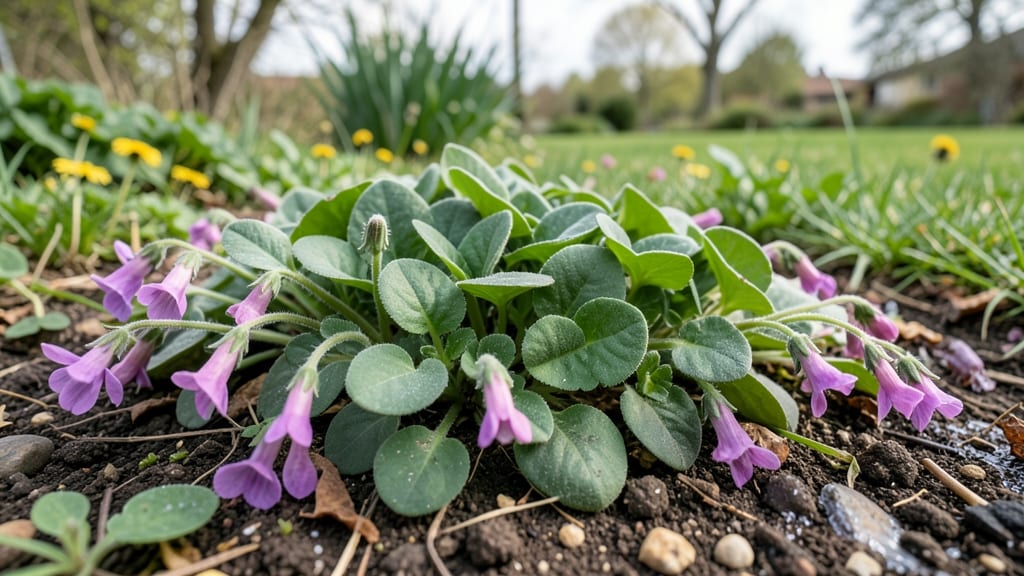
Turn your lawn into a purple paradise that actually thrives. ✨ Purple-flowering plants—whether native wildflowers or intentional ornamentals—can transform a patchy lawn into a vibrant, low-maintenance masterpiece that outshines weeds naturally. The key is choosing the right plants that spread gracefully, attract pollinators, and coexist with grass without taking over.
We’re talking about hardy options like creeping phlox, purple coneflower, or self-heal that thrive in full sun and poor soil—just like weeds, but with intentional color. These plants need minimal care: a spring trim, occasional deadheading, and they’ll reward you with blooms from early spring through fall.
Plus, they suppress weeds by outcompeting them for space and sunlight.
Imagine a lawn where purple flowers peek through the grass in spring, then spread into bold patches by summer—no mowing required in those spots. The result? A lawn that’s more colorful, more pollinator-friendly, and less dependent on chemicals than traditional turf.
Best of all, it’s easier to maintain than you’d think.
Whether you’re working with a small border or a full lawn renovation, these plants adapt to any space. Start with a few clumps and let them naturalize—soon, your "weedy" lawn will be the envy of the neighborhood. Ready to ditch the drab? Let’s get growing!
Root Causes Of Purple Blooms
Seeing vibrant purple flowers popping up in your lawn might seem like a charming surprise—but when they’re actually weeds, they’re often a sign of deeper issues. Understanding why these weeds thrive helps you tackle the problem at its source. Let’s break down the key factors behind their unwelcome appearance.
Weeds with purple flowers, like henbit, creeping charlie, or purple deadnettle, often take root because your lawn’s soil isn’t optimized for grass. These weeds thrive in compacted, nutrient-poor, or acidic soil, where turfgrass struggles to compete.
- Lack of organic matter: Soil low in compost or organic material lacks the nutrients grass needs to outcompete weeds. Purple-flowering weeds often exploit this gap, using available resources more efficiently.
- Improper pH levels: Most turfgrasses prefer a pH between 6.0 and 7.0. If your soil is too acidic (<6.0) or alkaline (>7.5), weeds like Tradescantia (spiderwort) or Viola (violets) flourish because they tolerate extreme conditions better than grass.
- Compaction: Heavy foot traffic, machinery, or clay-heavy soil compresses the root zone, restricting oxygen and water flow. Weeds with shallow roots (like purple-flowering oxalis) invade these weakened areas effortlessly.
Actionable fix: Test your soil’s pH and nutrient levels with a DIY soil test kit. Amend compacted soil with sand or gypsum and boost organic matter with compost or peat moss. For acidic soil, apply lime; for alkaline soil, use sulfur.
Purple-flowering weeds often signal watering problems. While some weeds (like creeping phlox) tolerate drought, others—such as Lamium (henbit)—thrive in consistently moist soil, which grass may not handle as well.
- Excessive moisture: Overwatering creates the perfect environment for weeds with shallow root systems. They germinate quickly in damp soil, while grass roots suffocate from poor drainage.
- Inconsistent watering: Shallow, frequent watering encourages weeds to sprout at the surface, while deep, infrequent watering strengthens grass roots. Purple-flowering weeds like Trifolium (clover) often dominate in lawns with erratic watering patterns.
- Poor drainage: Low-lying areas or clay soil that holds water too long create soggy patches where weeds like Persicaria (smartweed) take over.
Actionable fix:
- Adjust your watering schedule to 1–1.5 inches per week, including rainfall. Water deeply 2–3 times per week instead of daily shallow sessions.
- Improve drainage by aerating compacted soil and adding organic matter to clay-heavy areas.
- Install a French drain or slope low spots to redirect water.
Some purple-flowering weeds love shade, while others dominate in full sun. If your lawn has uneven light exposure, weeds like Viola (violets) or Ajuga (bugleweed) will outcompete grass.
- Too much shade: Grass needs 4–6 hours of sunlight daily to photosynthesize. Weeds like Lamium (henbit) or Oxalis (wood sorrel) thrive in low-light conditions where grass yellows and weakens.
- Too much sun: In hot, dry climates, weeds like Tradescantia (spiderwort) or Portulaca (purslane) survive better than heat-stressed grass.
- Patchy sunlight: Areas under trees or near structures create microclimates where weeds exploit light gaps while grass struggles.
Actionable fix:
- Thin out dense tree canopies to allow dappled sunlight (filtering light that’s gentler on grass).
- For shady spots, choose shade-tolerant grass varieties like fine fescue or creeping red fescue.
- In full-sun areas, ensure grass gets regular watering to outcompete drought-sensitive weeds.
Weeds with purple blooms often invade where grass is sparse or missing. Thin lawns create open spaces that weeds quickly colonize, especially if the soil is fertile (which weeds love).
- Disease or pest damage: Fungal infections (like brown patch) or grubs can kill grass, leaving gaps for weeds like Plantago (plantain) to move in.
- Poor seeding or overseeding failures: If you’ve had patchy germination or didn’t overseed in fall, weeds fill the void.
- Foot traffic or pet damage: Compacted or trampled areas prevent grass from recovering, giving weeds like Taraxacum (dandelions, which can have purple varieties) an edge.
Actionable fix:
- Reseed bare spots immediately with the right grass type for your climate.
- Apply a pre-emergent herbicide in early spring to prevent weed seeds from germinating.
- Improve soil health with fertilizer and aeration to help grass recover faster.
While fertilizer helps grass grow, over- or under-fertilizing can actually encourage purple-flowering weeds. Here’s how:
- Too much nitrogen: Fast-growing weeds like Cynodon dactylon (bermudagrass, which can have purple varieties) outpace grass when nitrogen levels spike.
- Lack of phosphorus/potassium: Weeds often have lower nutrient needs than grass. If your lawn lacks P (phosphorus) or K (potassium), weeds like Trifolium (clover) dominate because they fix nitrogen from the air.
- Herbicide residue: Some broadleaf herbicides can weaken grass while leaving behind conditions that favor purple-flowering weeds like Stellaria (chickweed).
Actionable fix:
- Use a balanced fertilizer (e.g., 10-10-10 or 16-4-8) and follow label rates to avoid overfeeding.
- Test soil for nitrogen, phosphorus, and potassium levels and adjust accordingly.
- If using herbicides, choose selective options that target weeds without harming grass.
Eliminate Purple Blooms Naturally
Those vibrant purple weeds stealing your lawn’s spotlight? Don’t reach for harsh chemicals first—there are smarter, eco-friendly ways to reclaim your yard. Below are targeted solutions based on the root cause of your purple-flowered invaders, from quick fixes to long-term prevention.
If your lawn is dotted with purple clover or wild violets, manual removal is often the fastest fix. These weeds thrive in compacted or nutrient-poor soil, so tackle them before they spread via seeds or runners.
- 🔥 Timing is key: Remove weeds when the soil is moist (after rain or watering) so they pull out cleanly. Early morning or late afternoon works best to avoid heat stress.
- 👨🍳 Grab the roots: Use a weeding tool or your hands to dig out the entire root system. Snipping just the flowers or leaves lets them regrow.
- 🌡️ Solarize stubborn spots: For large patches, cover the area with clear plastic sheeting for 4–6 weeks in hot sun. The trapped heat kills weeds without chemicals.
Pro Tip: 💡 After pulling, fill the holes with compost or topsoil to discourage regrowth and improve your lawn’s health.
These purple-flowered annuals (like henbit) spread rapidly in cool weather. They thrive in thin lawns, so thicken your grass to outcompete them.
- 🍳 Seed your lawn: Overseed bare spots with a high-quality grass seed blend in early fall or spring. Choose a mix suited to your climate (e.g., fescue for shade, Bermuda for sun).
- 🔪 Mow high and often: Set your mower to 3–4 inches to shade out weeds. Mow weekly to prevent seed heads from forming.
- ⏰ Apply corn gluten meal: This natural pre-emergent (best used in early fall) blocks weed seeds from sprouting while feeding your soil.
Pro Tip: ✨ For stubborn patches, lay down cardboard or thick mulch to block sunlight—weeds can’t survive without it!
These aggressive spreaders (like purple dead nettle) form dense mats. Their resilience means you’ll need a two-pronged attack: kill existing plants and prevent regrowth.
| Method | How to Do It | Best For |
|---|---|---|
| 🔥 Vinegar spray | Mix 1 gallon white vinegar + 1 oz dish soap. Spray directly on leaves (avoid desirable plants!). Repeat weekly until dead. | Small, isolated patches |
| 🌡️ Boiling water | Pour boiling water over the roots. Best for sidewalk cracks or driveways. | Driveways, patios, or cracks |
| 🌱 Pre-emergent herbicide | Apply corn gluten meal in fall or a natural pre-emergent like hops extract to stop seeds. | Large lawn areas |
Pro Tip: 🎯 Never use vinegar or boiling water near trees, shrubs, or flowers—it’ll kill them too!
Break the cycle with these long-term strategies to keep your lawn lush and weed-resistant:
- 💪 Improve soil health: Test your soil’s pH (ideal: 6.0–7.0 for most grasses). Amend with compost or lime if needed.
- 🥗 Feed your grass: Apply a slow-release, organic fertilizer in early spring and fall to crowd out weeds.
- 🌡️ Water deeply but infrequently: Encourage deep roots by watering 1–1.5 inches per week (early morning is best). Shallow watering stresses grass, inviting weeds.
- 🔄 Dethatch annually: A thick thatch layer (over ½ inch) smothers grass roots. Rent a dethatcher or manually rake it out in early spring.
Pro Tip: 🌱 Plant clover intentionally—it fixes nitrogen in the soil and chokes out weeds naturally. Try a white Dutch clover mix for a low-maintenance, eco-friendly lawn.
With patience and the right approach, your lawn can go from purple-weed jungle to a vibrant, weed-free oasis. Start with one method, monitor progress, and adjust as needed—your future self (and your neighbors) will thank you!
Frequently asked questions
Are purple-flowering weeds always bad for my lawn?
Not necessarily! Many purple-flowering plants like creeping phlox or purple coneflower are actually beneficial. They attract pollinators, suppress weeds by outcompeting grass, and add seasonal color. The key is choosing intentional plants over aggressive spreaders like purple deadnettle.
How can I tell if purple flowers are weeds or intentional plants?
Check their growth habits: weeds like henbit spread aggressively with thin stems, while ornamental plants have thicker stems and controlled growth. Purple clover has trifoliate leaves, while creeping phlox forms dense mats. If you planted them, they're intentional!
Will mowing higher help prevent purple-flowering weeds?
Setting your mower to 3-4 inches shades out weeds by blocking sunlight to their seeds. This works best for shallow-rooted weeds like chickweed. Just avoid mowing when flowers are forming—this prevents seed spread.
Can I use vinegar to kill purple weeds without harming grass?
Vinegar works on small patches but risks killing grass too. For spot treatment, use a 1:1 vinegar-water mix with dish soap (1 tsp) and apply carefully. Better alternatives: hand-pulling or targeted herbicides like clove oil spray for selective control.
What's the best time of year to plant purple-flowering ground covers?
Early spring or fall gives plants 6-8 weeks to establish roots before extreme weather. For perennial varieties like creeping phlox, plant in spring. Annuals like sweet alyssum can go in either season—just water consistently until established.