
Lawn
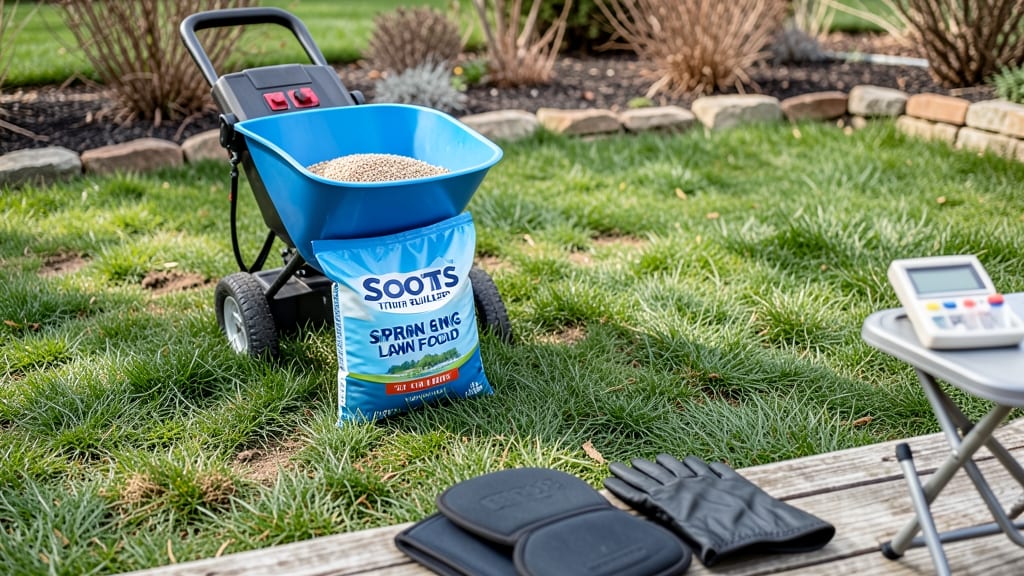
Fertilizing your lawn in spring is the key to a lush, green carpet—but timing it wrong can waste money and stress your grass.
Spring is the prime time to revive your lawn 🌱, but fertilizing too early can waste money and harm growth. Many homeowners rush to feed their grass as soon as the snow melts, only to see weak, patchy results.
The secret? Waiting until the soil warms to 50–55°F—that’s when grass roots wake up and soak up nutrients.
Why does this matter? Cool-season grasses like fescue and ryegrass need that warmth to grow, while warm-season types like Bermuda and Zoysia thrive later. Skipping the soil test means guessing, and guessing costs you a thicker lawn.
Below, I’ll break down the exact timing by grass type, how to test your soil without a fancy thermometer, and the one mistake that turns fertilizer into a lawn killer.
Ready to feed your lawn the right way? You’ll learn how to time it perfectly—before weeds take over and after the first mowing—for a lawn that stays green all season long.

The perfect soil warmth test for spring lawn fertilization
Spring lawn care starts with one critical factor: soil temperature. Fertilizing too early—when the ground is still cold—can burn delicate grass roots and waste your hard-earned money. The ideal window opens when soil reaches 50-55°F, signaling your grass is ready to absorb nutrients for explosive growth.
This test works for both cool-season grasses (like fescue and bluegrass) and warm-season varieties (such as Bermuda and Zoysia), but the timing differs slightly between them.
Why does temperature matter? Cold soil slows microbial activity, preventing your fertilizer from breaking down properly. When soil warms to 50-55°F, beneficial bacteria wake up, converting nutrients into forms your grass can use.
Think of it like a wake-up call for your lawn—just as you wouldn’t start a car on a frozen morning, you shouldn’t fertilize frozen ground. Testing soil warmth ensures your grass gets the jumpstart it needs before weeds take over.
Here’s the science behind the test: A soil thermometer (available for under $10) measures the temperature 2-3 inches deep, where grass roots actively grow. This depth mimics natural conditions better than surface checks.
For a DIY alternative, press your finger into the soil—if it feels cool but not icy (like a chilled soda can), it’s likely in the right range. Avoid testing after rain or in full sun, as these conditions skew results.
For cool-season grasses, aim to fertilize as soon as soil hits 50°F—typically in early April in most of the U.S. Northern regions. These grasses grow best in cooler weather, so timing your feed right gives them a head start before summer heat arrives.
Pro tip: If your lawn is still dormant (brown and crispy), wait another week—even if the soil feels warm. Grass needs to "green up" first to handle fertilizer.
Warm-season grasses, like Bermuda or Zoysia, need warmer soil—65-75°F—before fertilizing. This usually aligns with late April to early May in most climates. These grasses are dormant in winter, so early spring feeds can stress them.
Wait until you see new growth (1-2 inches of green shoots) before applying fertilizer. Think of it as waiting for your lawn to "wake up" before giving it breakfast.
Regional adjustments matter! In Zone 5 or colder, soil may not reach 50°F until early May. Conversely, Zone 8+ lawns might hit 65°F by March. Check local frost dates: Fertilize 2-3 weeks after the last expected frost.
For example, if frost typically ends April 15, test soil in early April. Use a 10-day forecast to avoid fertilizing right before rain—nutrients wash away, and wet soil compacts easily.
What if you miss the window? Don’t panic! Cool-season grasses can handle a second light feeding in early summer (June), while warm-season types get their main feed in late spring. However, early spring is the golden hour for lawn health—this is when you build strong roots for the entire year.
Skipping this step is like skipping leg day at the gym: You’ll feel the difference later. For best results, pair your soil test with a pH check (ideal range: 6.0-7.0).
Here’s my foolproof routine: Test soil every 7-10 days in spring until you hit the target temperature. Mark your calendar for 3 days after reaching the ideal range—this gives your lawn time to adjust. Apply fertilizer in the early morning on a dry day, then water lightly to activate granules.
Avoid fertilizing if rain is forecast within 24-48 hours. Think of it like timing a coffee brew: Too early, and it’s bitter; too late, and it’s weak.
Remember, the soil warmth test isn’t just about timing—it’s about grass health. Fertilizing at the right temperature reduces runoff, saves money, and prevents thatched buildup (a spongy layer of dead grass that smothers roots). When done right, your lawn
Step-by-step spring fertilization timeline by grass type
Timing your spring fertilization depends entirely on your grass type. Cool-season grasses like fescue and bluegrass wake up early, while warm-season types such as Bermuda or Zoysia need warmer soil to thrive. Miss this window, and you’ll either waste fertilizer or stifle growth—neither helps your lawn’s spring revival.
For cool-season grasses, fertilize when soil temps hit 50-55°F—usually late March to early April in most regions. Warm-season grasses, however, need to wait until soil reaches 65-75°F, typically May to early June.
Pre-emergent herbicides for weeds should go down 4-6 weeks before your grass’s ideal germination time.
| Grass Type | Soil Temp | Fertilize Timing | Pre-Emergent | Post-Mowing |
|---|---|---|---|---|
| Cool-Season | 50-55°F | Late March-April | Early March | Wait 2-3 days |
| Warm-Season | 65-75°F | May-June | Late April | Wait 4-5 days |
After applying fertilizer, hold off on mowing for 2-3 days for cool-season grass or 4-5 days for warm-season types. This lets nutrients soak into the soil.
Always mow when grass is 3-4 inches tall—never cut more than ⅓ of the blade at once, or you’ll stress the roots and invite weeds.
For pre-emergent herbicides, apply 4-6 weeks before your grass’s germination date. In northern climates, this might be early March for cool-season grasses. In southern zones, wait until late April to avoid harming warm-season types. Always water lightly after application to activate the granules.
If you’re unsure about your grass type, do a simple tug test: Pull a blade. If it comes out easily (like Bermuda), it’s warm-season. If it resists (like Kentucky bluegrass), it’s cool-season. Adjust your timeline accordingly—your lawn’s health depends on it!
Pro tip: Use a soil thermometer ($10 at garden centers) to confirm temps. If your soil is still cold, wait—your grass will thank you with vibrant green growth instead of burnt patches from over-fertilizing.