
Lawn
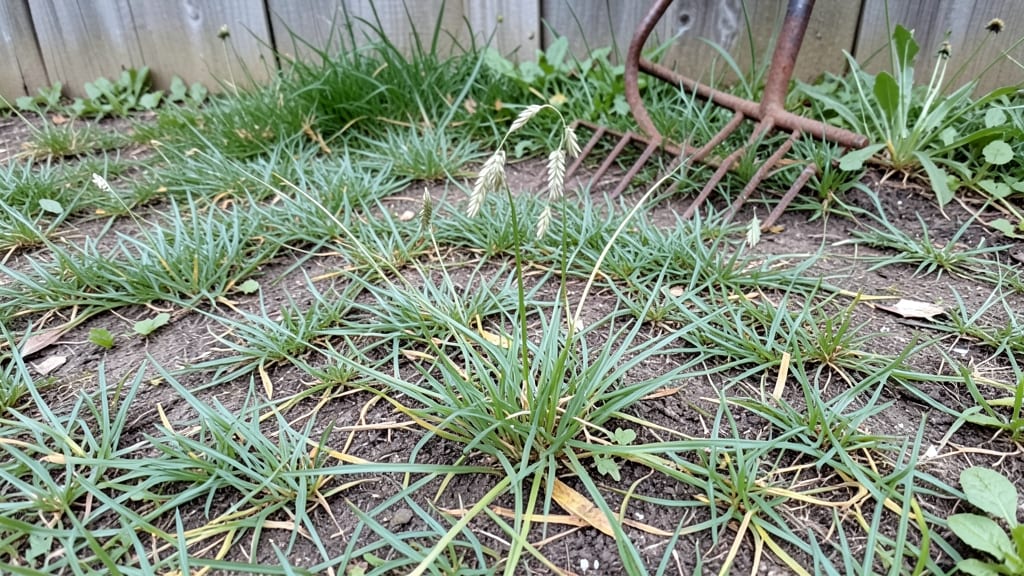
When your new grass looks patchy instead of lush, it’s not a lost cause—just a fixable frustration. ✨ I’ve turned my own uneven starter lawn into a thick, envy-worthy carpet in under a month, and the secret isn’t expensive equipment or secret fertilizers.
It’s about diagnosing the real culprits: uneven seed spread, inconsistent watering, or soil that’s either too dry or too compacted to support new roots.
The good news? You can tackle this in three focused steps: first, identify the bare spots (shady patches vs. dry patches behave differently), then adjust your watering to deep but infrequent soakings, and finally, top-dress with a thin layer of compost.
Most patchiness comes from surface-level issues—once you address those, the grass fills in faster than you’d expect.
Within 2-3 weeks, you’ll see new shoots bridging the gaps, and by the end of the season, your lawn will look like it’s been there for years. The key is patience with the watering and precision with the compost—no guesswork, just science-backed adjustments that actually work.
This method works for both cool-season and warm-season grasses, whether you’re dealing with a 50-square-foot patch or a whole backyard. The same principles apply whether you’re fixing a new seedling lawn or reviving an older one that’s finally getting the care it deserves.
Understanding Root Causes
When your freshly seeded lawn looks more like a patchwork quilt than a lush green carpet, it’s often a sign that something went wrong during the early stages of growth.
But what exactly triggers patchiness in new grass? Let’s break down the science behind the most common culprits—and how they disrupt your lawn’s potential.
###
🌱 Poor Seed-to-Soil Contact
For grass seeds to germinate, they need three things: moisture, oxygen, and consistent soil contact. If seeds land on hard, compacted, or uneven soil, they can’t establish roots properly. This leads to sparse or uneven germination, creating visible patches where seeds failed to sprout.
Why it happens:
- Compaction: Heavy foot traffic, machinery, or clay-heavy soil compresses the top layer, preventing seeds from making contact with nutrient-rich soil below.
- Uneven spreading: If seeds are broadcast too thinly or clump in certain areas, germination becomes inconsistent.
- Dust or debris: A layer of dry soil, mulch, or even fertilizer granules can smother seeds, blocking water and oxygen.
Actionable fix: Aerate compacted soil before seeding, use a rake to create fine furrows, and lightly press seeds into the soil with a lawn roller (without burying them too deep).
###
💧 Inconsistent Watering Practices
Water is the lifeblood of new grass, but too little or too much can spell disaster. Patchiness often stems from uneven moisture distribution, which causes seeds in dry spots to die while others thrive.
Why it happens:
Actionable fix: Water twice daily (morning and evening) for the first 2 weeks, using a sprinkler with a gentle setting to avoid erosion. Check soil moisture—if the top inch feels dry, it’s time to water.
###
☀️ Extreme Heat or Cold Stress
New grass seeds are delicate and struggle to germinate outside their ideal temperature range. Heatwaves or late-season frosts can halt growth entirely, leaving patchy gaps where seeds never sprouted.
Why it happens:
Actionable fix: Seed during the cool shoulder seasons (early spring or late summer/fall). If planting in peak heat, water deeply in the evening to cool the soil and use a light shade cloth temporarily.
###
🐛 Pest or Disease Pressure
New grass isn’t just vulnerable to environmental factors—it’s also a buffet for pests and pathogens. Fungal infections, insects, or even birds can devour seeds or young shoots before they take hold.
Why it happens:
### Not all grass seed is created equal. Cheap blends, incorrect species for your climate, or seeds past their prime can lead to weak, patchy growth.
Actionable fix:
🌾 Low-Quality or Improper Seed Mix
Actionable fix: Buy certified seed from reputable brands, check the germination rate (aim for 85%+), and choose a blend tailored to your USDA hardiness zone.
Patchiness in new grass is rarely just one problem—it’s often a mix of these factors. The good news? Most issues are preventable with the right prep and care.
Once you identify the root cause, you can revive your lawn’s potential and watch those bare spots fill in with thick, uniform growth.
Revive Your Lawn: Step-by-Step Fixes
A patchy new grass lawn can feel like a setback, but with the right approach, you can turn those bare spots into lush, vibrant growth. The key is identifying the root cause—whether it’s poor soil, watering issues, shade stress, or improper seeding—and addressing it directly.
Below, we’ve mapped out practical solutions tailored to each problem, plus prevention tips to keep your lawn thriving long-term.
🔥 Fix Poor Soil or Compaction
If your grass struggles to take root, the soil might be compacted, nutrient-deficient, or lacking organic matter. Here’s how to breathe new life into it:
- 🍳 Loosen the Soil Use a garden fork or aerator to create 2–3 inch deep holes every 6 inches across the patchy areas. This helps water, air, and roots penetrate deeper. Pro tip: Rent an aerator if your lawn is large—it saves time and effort!
- 🌱 Add Organic Matter Mix in 1–2 inches of compost or well-rotted manure into the loosened soil. This improves drainage and provides essential nutrients. Spread a thin layer of topsoil if the area is severely depleted.
- 💡 Fertilize Smartly Apply a slow-release, balanced fertilizer (like 10-10-10) to the patchy zones. Avoid overdoing it—too much nitrogen can burn new grass. Follow package instructions for application rates.
- 🌡️ Test Your Soil (Optional but Helpful) A soil test kit (available at garden centers) can reveal pH imbalances or deficiencies. Adjust with lime (for acidic soil) or sulfur (for alkaline soil) as needed.
💧 Correct Watering Mistakes
Overwatering or underwatering are common culprits behind patchy new grass. Let’s dial in your watering routine:
- 👨🍳 Water Deeply, Not Frequently Water 1–1.5 inches per week, either all at once or split into 2–3 sessions. Shallow watering encourages weak roots. Use a rain gauge or tuna can to measure accurately.
- 🥘 Adjust for Weather Increase watering during hot, dry spells or high winds. Reduce it if rain is forecasted. Pro tip: Water in the early morning (before 10 AM) to minimize evaporation and fungal risks.
- 🔪 Check Your Sprinklers Uneven watering can leave some spots thirsty while others drown. Adjust sprinkler heads to ensure consistent coverage. Consider soaker hoses for stubborn dry patches.
- ⏰ Avoid Weekly Watering Light, frequent watering stresses grass and promotes shallow roots. Instead, aim for deep, infrequent watering to encourage strong growth.
☀️ Rescue Shade-Stressed Grass
If your lawn has patchy areas under trees or buildings, the grass may be struggling for sunlight. Try these shade-friendly fixes:
- 🌱 Choose Shade-Tolerant Seed Switch to fine fescue, creeping red fescue, or zoysia grass, which thrive in low light. Overseed the patchy areas with shade-resistant seed in early fall or spring.
- 💡 Thin Out Tree Canopy (If Possible) Prune branches to allow 3–4 hours of direct sunlight daily. Avoid aggressive trimming, which can stress trees.
- 🥗 Improve Soil Conditions Shade-loving grasses often need richer soil. Mix in compost and mulch to retain moisture and nutrients.
- ✨ Mulch Around Trees Apply a 2–3 inch layer of mulch (wood chips or straw) to retain moisture and regulate soil temperature. Keep mulch away from tree trunks to prevent rot.
🌱 Overcome Improper Seeding
If your patchy grass stems from uneven seeding or poor germination, these steps will help:
- 🔥 Reseed the Bare Spots Lightly rake the area to loosen soil, then sprinkle new seed evenly (use a spreader for consistency). Press seeds lightly into the soil with a lawn roller or your foot.
- 🥘 Keep Soil Moist (But Not Soggy) Water gently 2–3 times daily until seeds germinate (usually 7–21 days). Use a misting nozzle or soaker hose to avoid displacing seeds.
- 🌡️ Protect New Growth Avoid foot traffic on newly seeded areas for 4–6 weeks. Use a temporary sign or stakes to mark the spot.
- 💡 Choose the Right Time Seed in early fall or spring when temperatures are mild and rainfall is consistent. Avoid seeding in extreme heat or cold.
🛡️ Prevent Future Patchiness
Once your lawn is on the mend, keep it lush with these proactive tips:
- 📊 Mow High Set your mower to 3–4 inches to shade soil and retain moisture. Never cut more than ⅓ of the grass blade at once.
- 🔪 Aerate Annually Compacted soil is a silent killer. Aerate your lawn once a year (spring or fall) to prevent future patchiness.
- 💪 Fertilize Seasonally Apply a balanced fertilizer in early spring and fall. Skip summer feeding—it encourages weak growth.
- 🌱 Overseed Thin Areas Keep an eye on bare spots and overseed them before they spread. A little maintenance now saves big headaches later.
- 🎯 Monitor for Pests/Disease Yellowing or thinning grass can signal grubs, fungus, or weeds. Act fast with targeted treatments (e.g., grub control in early summer).
With these targeted fixes, your patchy new grass will transform into a thick, green carpet in no time. Consistency is key—stick to the routine, and your lawn will reward you with year-round beauty! 🌿✨
Frequently asked questions
Why does my new grass look patchy even after watering regularly?
Patchiness often stems from uneven soil contact or compaction blocking moisture. Even with regular watering, seeds may not germinate if they’re buried too deep or smothered by dry soil. Try lightly raking the area and pressing seeds into the soil with a lawn roller—this ensures better root contact. Also check for hardpan layers that might prevent water from reaching deeper seeds.
Can I fix patchy grass by just adding more fertilizer?
Not necessarily—fertilizer alone won’t solve patchiness caused by poor soil contact or watering issues. First address the root problems (literally!): aerate compacted soil, improve water penetration, and ensure seeds have proper contact with moist earth. Once the foundation is right, a light application of balanced fertilizer (like 10-10-10) can help new growth establish.
How long should I wait before reseeding bare spots?
Wait until the existing grass reaches 3–4 inches tall before reseeding—this usually takes 4–6 weeks after initial germination. Reseed in early fall or spring when temperatures are mild (60–75°F). Lightly rake the area, spread new seed evenly, and keep the soil consistently moist (not soggy) until germination occurs, which typically takes 7–21 days.
Will shade affect my patchy grass repair efforts?
Yes, shade slows growth and can prevent new grass from filling in gaps. If your patchy areas are under trees or buildings, choose shade-tolerant grass varieties like fine fescue or zoysia. Improve soil quality with compost and mulch to retain moisture. For severe shade, consider temporary shade cloth until the grass establishes, then gradually remove it to harden the new growth.
How do I know if my patchy grass is caused by pests or disease?
Look for these clues: Yellowing patches with no signs of new growth may indicate fungal issues (like Pythium), while chewed blades suggest grubs or chinch bugs. Dig up a small section—if you see larvae or insects, treat with neem oil or insecticidal soap. For fungal problems, improve drainage and avoid overwatering. If in doubt, test a small area with a targeted treatment before full application.