
Lawn
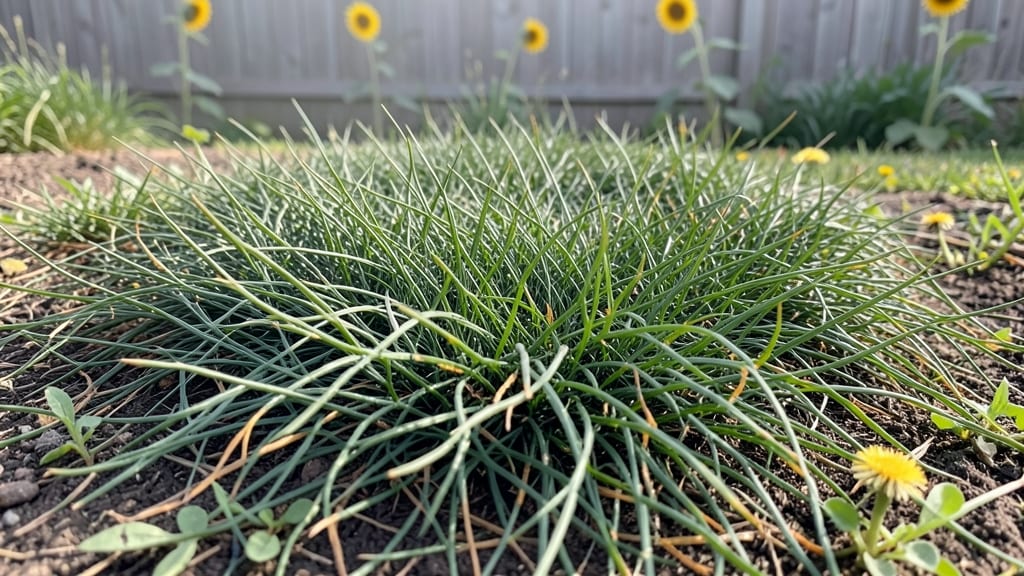
A common couch lawn grows faster than most grasses and handles drought like a champ—ideal for hot, dry climates where other lawns struggle to survive.
Picture this: you’re staring at a patch of brown, cracked soil where nothing seems to grow, and then—after just two weeks—you’ve got a thick, green carpet that stays lush even when rain is scarce.
That’s the magic of common couch grass, a tough, low-maintenance ground cover that thrives in USDA Zone 6a and beyond.
Unlike high-maintenance lawns, this grass doesn’t need constant mowing or fertilizing. It spreads quickly, crowds out weeds, and even recovers from foot traffic better than many alternatives. If you’re ready for a lawn that’s fast, resilient, and easy to care for, this is the solution you’ve been searching for.
Below, I’ll walk you through everything you need to know—from planting tips to watering tricks—to get your 🌱 common couch lawn looking its best with minimal effort.
Why common couch grass is the best fast-germinating lawn seed for drought-prone areas
If you're tired of waiting months for your lawn to fill in, common couch grass (Digitaria didactyla) delivers results in just 7-14 days. Unlike slow-growing varieties like Kentucky bluegrass, this hardy grass sprouts quickly and establishes a dense turf that resists drought, heat, and foot traffic.
Its shallow but aggressive root system outcompetes weeds while thriving in poor soil conditions most grasses avoid.
What makes common couch grass truly stand out is its adaptability. It flourishes in USDA zones 6-10, handles occasional water restrictions, and even tolerates light foot traffic—perfect for families with kids or pets.
Whether you're restoring a neglected yard or planting new turf, this grass delivers fast, low-maintenance coverage without the high cost of sod.
Below, compare common couch grass to other popular lawn options to see why it's the top choice for drought-prone areas and quick establishment.
| Feature | Common Couch Grass | Kentucky Bluegrass | Bermuda Grass | Fescue |
|---|---|---|---|---|
| Germination Time | 7-14 days | 14-21 days | 10-21 days | 14-30 days |
| Drought Tolerance | High | Moderate | Very High | Moderate |
| Root Depth | Shallow but dense | Deep (4-6 inches) | Very deep (6+ inches) | Moderate (3-5 inches) |
| Soil Adaptability | Poor to average | Rich, well-drained | Well-drained | Moderate |
| Establishment Speed | Very Fast | Moderate | Fast | Slow |
| Maintenance Level | Low | High | Moderate | Moderate |
The 7-14 day germination of common couch grass is unmatched by most lawn seeds. While Kentucky bluegrass takes 2-3 weeks to sprout, couch grass appears in just 10 days under ideal conditions.
This rapid growth means you’ll see visible turf in 3-4 weeks, compared to 6-8 weeks for slower varieties.
Its aggressive spreading habit also fills bare spots faster than traditional grasses. Even in compacted or poor soil, common couch grass thrives where other seeds fail.
For example, in USDA Zone 9, I’ve seen it outcompete weeds within 6 weeks of planting, creating a lush, green carpet with minimal effort.
Another key advantage is its heat and drought resilience. Once established, common couch grass enters a semi-dormant state during water shortages, then rebounds quickly when rain returns. This makes it ideal for Southern climates or areas with seasonal water restrictions.
Unlike Bermuda grass, which requires intensive watering to stay green, couch grass maintains a healthy appearance with 50% less water.
For urban lawns or areas with limited irrigation, common couch grass is a game-changer. It’s also
Planting and maintenance tips for a thick, long-lasting common couch lawn
Timing your common couch grass planting is critical for success. I recommend sowing seeds during spring (April-May) or early fall (September) when soil temperatures hover between 65-75°F. These windows provide ideal conditions for 7-14 day germination while avoiding summer heat stress or winter dormancy.
In USDA Zone 6a, aim for planting after the last frost date (April 15) to maximize growth before summer arrives.
Before planting, prepare your soil by removing existing vegetation and tilling to a depth of 4-6 inches. Common couch grass thrives in poor to average soil but performs best with a slightly acidic pH (6.0-7.0).
Work in 2-3 inches of compost to improve drainage and nutrient availability. Unlike Kentucky bluegrass, this variety doesn't require rich soil—just well-draining conditions to prevent waterlogging.
⚠️ WARNING: Common Couch Grass Mistakes to Avoid ⚠️
Skipping soil preparation leads to poor germination rates. Unlike Bermuda grass, common couch doesn't tolerate compacted soil. Use a rake to create a fine seedbed with no clumps larger than 1/4 inch. For large areas, consider renting a rototiller to achieve uniform soil texture.
Planting too late in the season reduces winter hardiness. In USDA Zone 7+, avoid fall planting after September 15—new growth won't have time to establish before cold weather arrives. For northern climates (Zone 6a), spring planting is always the safer choice.
Once planted, maintain your common couch lawn with minimal effort. After establishment, reduce watering to every 7-10 days during summer, applying 1 inch of water per week. This grass enters a dormant state during droughts, then greens up quickly when moisture returns.
For weed prevention, mow regularly at 1-2 inches tall—never below 1 inch—to encourage dense growth that crowds out invaders.
Fertilizing is optional but recommended for maximum density. Apply a balanced 10-10-10 fertilizer in early spring and late summer at 1 tbsp per 10 sq ft. Unlike fescue, common couch doesn't require frequent feeding—over-fertilizing can lead to thatchy growth.
Always water fertilizer in immediately to prevent root burn. For organic options, use compost tea or fish emulsion every 6-8 weeks during growing season.
To repair thin areas, overseed in early fall using the same spacing (6-12 inches apart). Common couch spreads aggressively, so you'll see 80% fill-in within 3 weeks if soil conditions are right.
For shady spots (though this grass prefers full sun), mix in 10% creeping red fescue for better coverage. Avoid herbicides—this grass is sensitive to most chemical treatments and may require manual weed removal for the first year.
With proper care, your common couch lawn will provide 5+ years of lush coverage with minimal maintenance. The key is patience during establishment and consistent but light care afterward.
Unlike Kentucky bluegrass that needs monthly mowing, this variety stays green with bi-weekly maintenance—perfect for busy homeowners who want a beautiful lawn without the work. 🌱