
Lawn
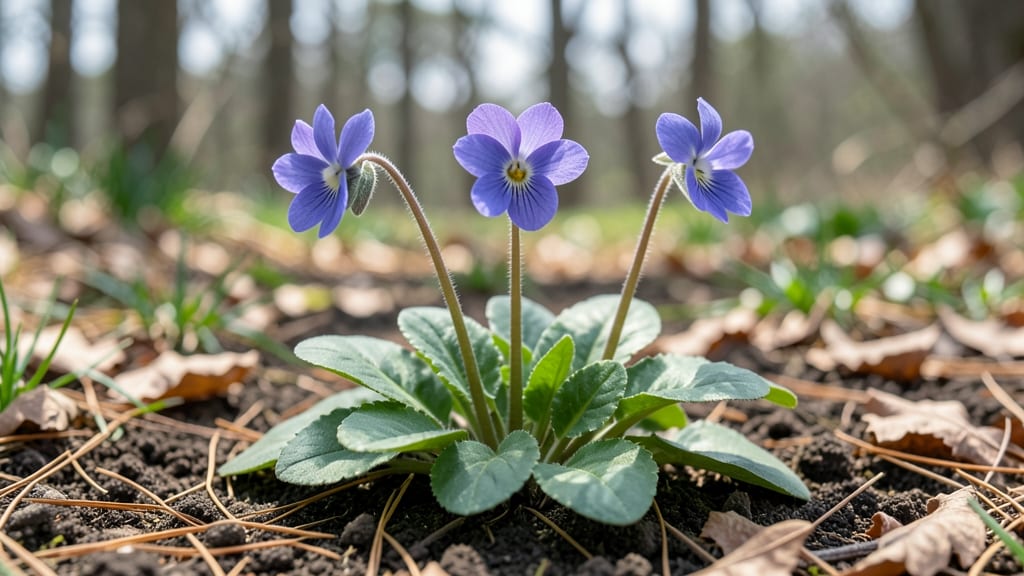
A common blue violet lawn could transform your yard into a fragrant spring carpet instead of just grass. 🌿 These cheerful blooms thrive in partial shade, turning dull patches into pollinator magnets while requiring almost no extra effort.
I’ve replaced sections of my high-maintenance lawn with them, and the difference is stunning—both for the bees and my lazy gardening habits.
Blue violets love moist, well-drained soil and tolerate foot traffic surprisingly well. They spread naturally, filling gaps between grass blades or crowding out weeds, so they’re perfect for shady spots where lawns struggle.
Pair them with clover or fine fescue grasses for a lush, textured look that stays green even when traditional lawns brown out.
By late spring, your path will be dotted with delicate blue blooms that perfume the air lightly—no strong scent, just a fresh, earthy sweetness. The flowers attract butterflies and bees, turning your yard into a mini wildlife haven.
Best of all, they self-seed, so once established, they’ll keep coming back year after year.
This isn’t about replacing your entire lawn—just swapping out a few high-maintenance sections. Try it in shady edges, under trees, or along walkways where violets can shine without competing with sun-loving plants. The result? A lawn that’s easier to care for and far more beautiful.
📚 In This Guide
- What you need
- Instructions
- Tips and common mistakes
- Wrapping up and next steps
What you need
- ● Common blue violet seeds: 1–2 lbs (or ~500–1,000 seeds per 100 sq. ft. for dense coverage). Opt for Viola sororia or Viola papilionacea for classic blue blooms.
- ● Well-draining soil: Mix of topsoil and compost (60% topsoil, 40% compost) to ensure nutrients and moisture retention. Test soil pH (ideal: 6.0–7.0).
- ● Lawn area prep: Garden rake (for smoothing soil)
- ● Hoe or tiller (to loosen compacted soil, especially in high-traffic areas)
- ● Watering can or hose with a gentle spray nozzle (avoid high pressure)
- ○ Mulch (optional but recommended): 1–2 inches of shredded bark or straw to retain moisture and suppress weeds.
- ● Seedling trays: For starting violets indoors (6–8 weeks before last frost). Use biodegradable pots if transplanting.
- ● Organic fertilizer: Low-nitrogen, phosphorus-rich blend (e.g., 5-10-10) to encourage blooming. Apply once in early spring.
- ● Edging tools: For defining violet borders in garden paths or lawn edges.
- ● Drip irrigation kit: For automated watering (ideal for large lawns).
- ● Hand weeder: To remove weeds without disturbing violets.
How to create a fragrant common blue violet lawn
Here’s how to transform your garden path into a fragrant carpet of blue violets—easy, natural, and stunning.
🌱 Step 1: Prepare the Soil for Violet Growth
Blue violets thrive in well-draining, slightly acidic soil with plenty of organic matter. Test your soil’s pH—aim for a range of 5.0 to 6.5. If your soil is heavy clay or sandy, mix in 2 inches of compost to improve texture and fertility. Violets also love partial shade, so choose a spot that gets 3-6 hours of sunlight daily—too much sun wilts their delicate blooms.
Loosen the top 6 inches of soil with a garden fork or tiller to break up compaction. Work in a handful of peat moss or leaf mold if your soil feels too dense. This ensures roots spread easily and water drains well, preventing rot. A light layer of mulch afterward keeps moisture steady and suppresses weeds.
🌿 Step 2: Plant Violet Seeds or Transplants
For fastest results, buy bare-root violets from a nursery in early spring or fall. Space them 6-8 inches apart—violets spread naturally, so don’t worry about overcrowding. If starting from seed, scatter them thinly over the prepared soil (they’re tiny, so a pinch goes a long way) and press lightly into the top ¼ inch. Violets germinate best in cool temperatures (60-65°F) and may take 2-4 weeks to sprout.
Keep the soil consistently moist but not soggy until seedlings appear. Once they’re 2 inches tall, thin them to 6 inches apart to give each plant room to grow. Violets self-seed easily, so you’ll likely see new sprouts popping up year after year without extra effort.
☀️ Step 3: Maintain for Continuous Blooms
Water violets 1-2 times per week, giving them about 1 inch of water each time. They’re drought-tolerant once established, but consistent moisture encourages lush foliage and abundant blooms. Deadhead spent flowers by snipping them off at the base—this redirects energy to new blooms and keeps the lawn tidy. Violets also appreciate a light feeding in early spring with a balanced fertilizer (10-10-10) to boost growth.
Watch for weeds early on—they’ll compete with violets for nutrients. A hand-pulling session every few weeks keeps them at bay without disturbing the delicate violet roots. In late fall, cut back faded foliage but leave some stems to protect overwintering plants.
✂️ Step 4: Divide and Expand Your Violet Lawn
Every 3-4 years, violets form dense clumps that benefit from division. In early spring, dig up a section of the lawn and separate the roots into smaller clumps with 3-4 stems each. Replant these divisions in fresh soil or share them with fellow gardeners to spread the beauty. This also rejuvenates the original patch, ensuring it stays vibrant for years.
You’ll know your violet lawn is thriving when it’s densely covered in glossy leaves and blanketed in blue blooms from early spring to late summer. The fragrant flowers attract pollinators, making your garden path a lively hub of activity. With minimal upkeep, this living carpet will reward you with color and scent for decades.
Tips & tricks for perfect common blue violet lawns
Here's what nobody tells you about creating a thriving violet carpet that lasts for years.
Soil Prep Secret: Don't just test your soil's pH—also check its drainage. Fill a container with soil, add water, and time how long it takes to drain. If it takes longer than 30 minutes, you'll need to add more compost or sand to improve drainage. Violets hate soggy roots, and this quick test prevents future rot issues.
Planting Strategy: When planting bare-root violets, soak their roots in water for 10-15 minutes before planting. This jumpstarts hydration and helps them establish faster. For seeds, don't press them too deeply—just cover them with a thin layer of soil or vermiculite. The goal is to keep them barely covered while still protected from birds.
Watering Wisdom: The 1-2 times per week watering guideline works best when you water deeply each time. A good rule is to water until moisture reaches 6 inches down—this encourages deep root growth. Early morning watering prevents fungal issues from evening moisture lingering on leaves.
Division Timing: The 3-4 year division schedule works perfectly, but watch for these signs you need to divide sooner: if violets stop blooming well, if the center looks bare while edges grow dense, or if you see fewer new sprouts. Spring is ideal, but you can divide in early fall if needed—just avoid dividing in summer heat.
Pro Tips for Common Blue Violet Lawn
- Here's what nobody tells you about creating a thriving violet carpet that lasts for years.
- Soil Prep Secret: Don't just test your soil's pH—also check its drainage.
- Planting Strategy: When planting bare-root violets, soak their roots in water for 10-15 minutes before planting.
Frequently asked questions
Got questions about growing a stunning common blue violet lawn? You're not alone! Here are some of the most common queries—plus straightforward answers to help you cultivate a fragrant, vibrant garden path with ease.
Can common blue violets thrive in full sun?
While they can tolerate partial sun, common blue violets prefer shade to partial shade (2–4 hours of sunlight daily). In hot climates, direct sun may scorch their delicate leaves or reduce blooming. If your yard is sunny, plant them near trees, shrubs, or under pergolas for the best results.
How long does it take for blue violets to bloom after planting?
With proper care, you’ll likely see first blooms within 6–8 weeks of planting seeds or dividing established plants. Established violets may bloom earlier in spring, while new seedlings take a bit longer. Patience pays off—once mature, they’ll reward you with months of fragrant purple blooms!
Do blue violets need frequent watering?
Keep soil consistently moist but not soggy during the first growing season. After establishment, they’re drought-tolerant once roots are deep. Water deeply 1–2 times per week (more in extreme heat) and mulch lightly to retain moisture. Overwatering can lead to root rot, so well-draining soil is key!
Are common blue violets deer- or rabbit-resistant?
Unfortunately, no—deer and rabbits often nibble on violets! If pests are a problem, try surrounding plants with deer-resistant companions like ferns, hostas, or lavender. Fencing or repellents may also help. For extra protection, grow them in containers that can be moved indoors when needed.
What’s the best alternative if blue violets don’t grow well in my climate?
If your zone is too hot/dry or too cold for violets, consider these low-maintenance, shade-loving alternatives:
- Sweet woodruff – Fragrant ground cover with white flowers.
- Creeping phlox – Early spring blooms in pink/purple.
- Lungwort (Pulmonaria) – Unique spotted leaves and spiky blooms.
- Hosta – Hardy, shade-tolerant foliage (great for texture).
Wrapping up and next steps
Transforming your lawn into a fragrant haven with common blue violets is simpler than you think—and the rewards are pure joy! 🌸 These delicate blooms not only add charm and color but also attract pollinators, creating a thriving, low-maintenance ecosystem.
Whether you’re a seasoned gardener or just starting out, their resilience and beauty make them a perfect choice for any garden path.
Ready to dive in? Start small: plant a few violets along a shady border or under trees, and watch your space bloom with life. Before you know it, you’ll have a fragrant, picturesque lawn that neighbors will envy—and maybe even inspire you to expand your garden dreams! 🌿