
Lawn
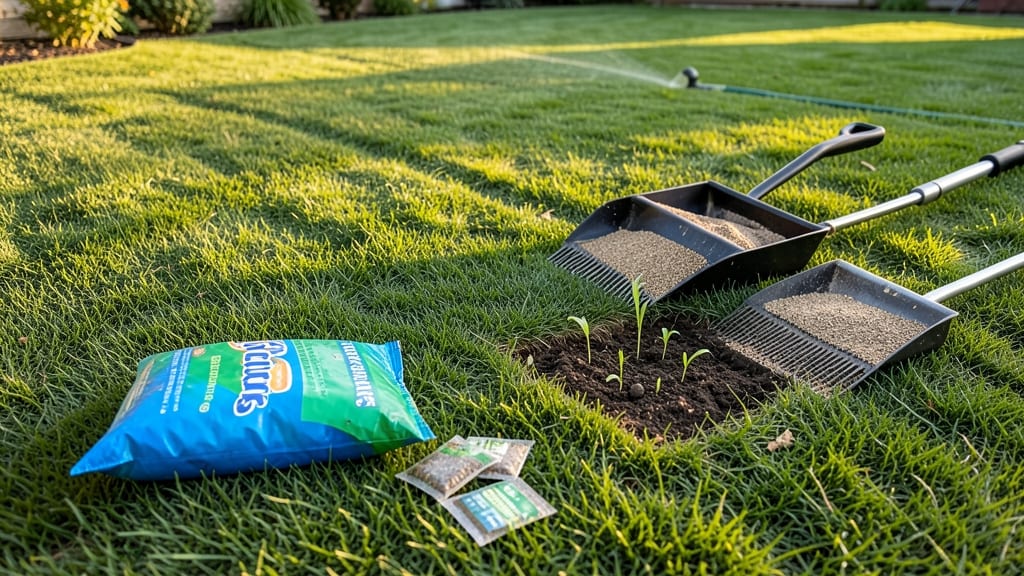
To fertilize and seed lawn at the right time means the difference between a thick, green carpet and a battleground for weeds and bare patches.
Picture this: You’ve just spread fresh 🌱 lawn grass seeds in early spring, only to watch them bake under a sudden heatwave. Or you fertilize too late in fall, leaving your lawn vulnerable to winter kill. Timing isn’t just a detail—it’s the foundation of a healthy lawn.
In USDA Zone 6a, the ideal windows are early spring (March–April) and early fall (August–September), when soil is warm enough for seeds to germinate but cool enough to avoid stress.
But climate, grass type, and even your local frost dates can shift those windows by weeks.
Below, I’ll break down the exact moments to feed and plant, how to prep your soil for success, and the 3 critical mistakes that derail even the best-laid plans—so you can skip the guesswork and get results.
Best seasons to fertilize your lawn for maximum growth
Timing your lawn fertilization isn't just about throwing down fertilizer—it's about syncing with your grass's natural growth cycles. Cool-season grasses like fescue and ryegrass thrive in spring and fall, while warm-season grasses such as Bermuda and Zoysia peak in late spring and summer.
Miss these windows, and you'll either waste money or stress your lawn. The key? Understanding how temperature, soil moisture, and grass type interact to create the perfect feeding schedule.
Before grabbing that bag of fertilizer, test your soil's pH level (ideal range: 6.0-7.0) and nutrient levels.
A simple home test kit costs under $20 and prevents over-fertilizing, which burns roots and harms the environment. Slow-release fertilizers are my top recommendation—they feed your lawn steadily over 6-12 weeks, reducing the risk of nutrient runoff compared to quick-release options.
Now let's break down the best fertilization seasons by climate zone and grass type, so you can feed your lawn exactly when it needs it most.
| Season | Best Time to Fertilize | Grass Type | Fertilizer Type | Key Tips |
|---|---|---|---|---|
| Early Spring | March-April (after last frost) | Cool-season grasses | Slow-release (16-4-8 NPK) | Promotes root growth before active growth |
| Late Spring | May-June | Warm-season grasses | Quick-release (high nitrogen) | Avoid if drought conditions exist |
| Early Fall | August-September | Cool-season grasses | Slow-release (10-10-10 NPK) | Strengthens roots for winter |
| Summer | June-July (high-traffic only) | Warm-season grasses | Light organic (compost) | Only if lawn shows stress signs |
| Winter | None | All grasses | N/A | Grass goes dormant; fertilizing wastes nutrients |
Spring fertilization is your lawn's wake-up call. After the last frost (typically March-April in most zones), apply a high-nitrogen fertilizer to jumpstart growth. For cool-season grasses, this first feeding should happen 4-6 weeks before your typical mowing season begins. Warm-season grasses like Bermuda can wait until soil temps hit 65°F—usually late April or May—to avoid burning tender new shoots.
Summer fertilization requires caution. High temperatures and drought stress make lawns vulnerable to fertilizer burn. Only feed if your grass shows signs of stress (like brown patches) or if you have high-traffic areas that need recovery.
Opt for organic options like compost or a light synthetic blend to avoid shocking the system. Water deeply after applying to help nutrients penetrate the soil.
Fall is the golden window for cool-season grasses. A 6-8 week feeding schedule in August-September builds root mass before winter dormancy. This isn't just about green—it's about stress resistance.
Grass with strong roots recovers faster in spring and resists disease and weeds better. For warm-season grasses, taper off fertilizing by October to let the lawn prepare for winter.
Winter fertilization is a big no-no. Grass goes dormant, and any nutrients applied won't be used—just wasted. The exception? Winterizer fertilizers (low-nitrogen, high-potassium) applied in late fall (November) can help with disease prevention and early spring green-up, but avoid them if your area gets heavy snow cover.
Pro tip: Adjust for your climate. In Southern states (Zones 8-10), fertilize monthly from March-September for warm-season grasses. In Northern zones (3-6), stick to spring and fall only. Always check the back of your fertilizer bag for region-specific recommendations—it's packed with localized wisdom.
Remember, less is more when it comes to lawn care. Over-fertilizing doesn't mean a greener lawn—it means burned grass, water pollution, and wasted money. Start with a soil test, follow the 3-1-1 rule (3 parts nitrogen, 1 part phosphorus, 1 part
Optimal seed planting windows by grass type and climate zone
Timing your lawn seeding is like catching a wave—too early or too late, and you’ll miss the perfect moment for strong root growth. Cool-season grasses thrive in spring and fall, while warm-season grasses need late spring to early summer.
Your USDA climate zone further refines these windows, ensuring seeds germinate in ideal conditions rather than struggling in extreme heat or cold.
For cool-season grasses like Kentucky bluegrass and fescue, aim for early spring (March-April) or early fall (August-September). These grasses grow best when soil temps hover between 50°F–70°F, giving them time to establish deep roots before summer stress or winter dormancy.
In USDA zones 3–7, fall seeding is often the gold standard—cooler temps reduce weed competition while keeping soil warm enough for germination.
Warm-season grasses, including Bermuda and Zoysia, demand a different approach. Plant them in late spring (May-June) when soil temps consistently stay above 65°F. In USDA zones 8–10, this window extends slightly later, but avoid seeding after July 15 to prevent summer drought stress. Overseeding warm-season lawns in fall is a common mistake—these grasses go dormant in cooler weather, so spring is their only active season.
Three factors make or break your seeding success: moisture, temperature, and sunlight.
Seeds need consistent moisture to germinate—water lightly twice daily until sprouts appear, then taper to 1–1.5 inches weekly. Soil temperature is non-negotiable; use a soil thermometer to confirm it’s in the ideal range before planting.
And don’t overlook sunlight: shade-loving grasses like fine fescue need partial sun, while Kentucky bluegrass demands full sun to thrive.
Overseeding an existing lawn? Time it right by targeting late summer (July-August) for cool-season grasses. This window lets new seeds establish before winter while giving them a head start in spring.
For new lawns, prepare soil in advance—till, amend with compost, and level the ground in early spring (cool zones) or late spring (warm zones). Skipping prep steps here means slower germination and weaker grass down the line.
Pro tip: Check your local frost dates—seeding 4–6 weeks before the first frost gives cool-season grasses enough time to root deeply. In USDA zone 5, that’s typically mid-August for fall planting.
Warm-season zones can push seeding slightly later, but don’t wait past July 15 in most regions. The goal? Germination before summer drought or winter freeze sets in.