
Fertilization
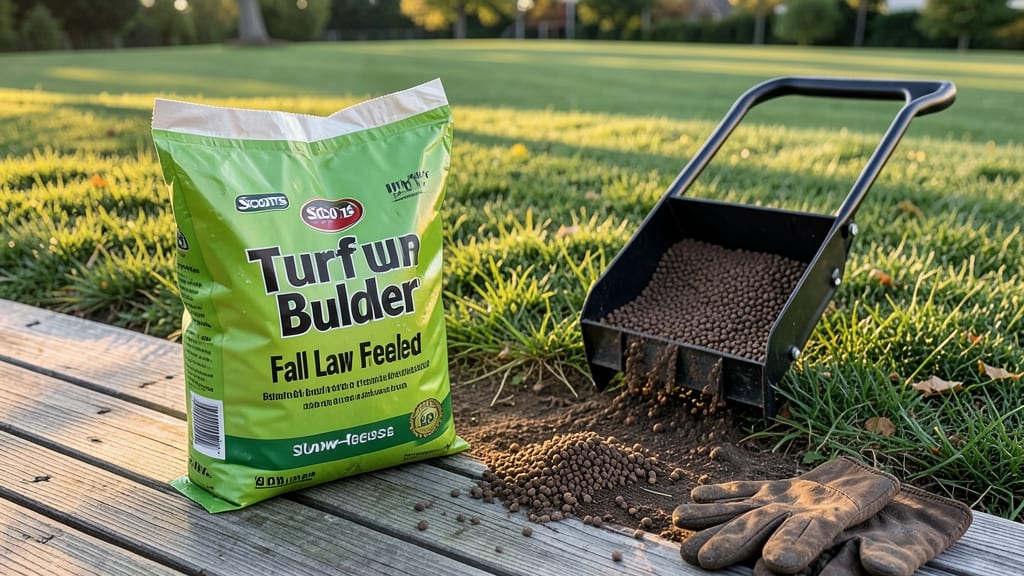
To fertilize lawns in fall is the best way to give your 🌱 lawn grass the deep root boost it needs before winter dormancy — but get the timing wrong, and you’re either wasting money or starving your grass.
Fall fertilization isn’t just about winter prep—it’s the secret weapon for stronger grass roots and a lush spring comeback. But timing matters: fertilize too early, and you risk waste; too late, and your lawn misses the growth boost it needs before dormancy.
In USDA Zone 6a, the ideal window is September, about 6-8 weeks before the first frost. This gives cool-season grasses time to absorb nutrients without encouraging late-season growth that won’t harden off before cold snaps hit.
Below, I’ll break down the exact timing by grass type, how to read your lawn’s signals, and the 3-step process for maximum root growth—no guesswork, just science-backed results.

Best fall fertilization timeline by grass type and climate zone
Fall fertilization gives your lawn the nutrients it needs to thrive through winter and rebound in spring. But the best timing depends on your grass type and USDA hardiness zone.
Cool-season grasses like tall fescue and Kentucky bluegrass need fall feeding, while warm-season grasses like Bermuda or Zoysia should skip it. Let’s break it down by zone and grass type so you can fertilize at the perfect moment.
Your climate zone dictates when to apply fertilizer. In northern zones (USDA 3-6), early fall (late August to mid-October) is ideal for cool-season grasses. In southern zones (USDA 7-10), late fall (October to November) works better.
Warm-season grasses in southern zones should avoid fall fertilization entirely—they go dormant in winter anyway.
For cool-season grasses in northern zones, aim to fertilize between late August and mid-October. This gives your lawn time to absorb nutrients before dormancy. Use a slow-release fertilizer with a 10-0-10 NPK ratio to encourage deep root growth.
In southern zones, wait until October or November when temperatures drop below 70°F.
If you have warm-season grasses, skip fall fertilization unless you’re in a northern zone (USDA 3-6). Even then, use a light feed in late August to avoid stressing the grass before winter.
Southern warm-season grasses like Bermuda or Zoysia should only be fertilized in spring or summer when they’re actively growing.
Microclimates matter too! Lawns in shady areas may need fertilization 2 weeks earlier than sunny spots, as cooler temps slow nutrient uptake. Always check your local frost dates and adjust timing accordingly. A quick Google search for “first frost date [your city]” will give you the exact window.
Pro tip: Test your soil pH before fertilizing. Cool-season grasses thrive in pH 6.0-7.0, while warm-season grasses prefer pH 6.0-6.5. If your soil is off, amend it with lime (to raise pH) or sulfur (to lower pH) before applying fertilizer.
This ensures your lawn gets the most out of every application.
Over-fertilizing in fall can lead to winter burn or excessive top growth that weakens roots. Stick to the recommended 0.5 lbs of nitrogen per 100 sqft for cool-season grasses.
If your lawn looks dark green and lush after fertilization, you’re on the right track! If it turns yellow or brown, you may have overdone it.
Timing isn’t just about the calendar—it’s about grass activity. Fertilize when your lawn is still growing but slowing down for winter. For most regions, this means 6-8 weeks before the first frost.
Use a soil thermometer to check—roots grow best when soil temps are between 50°F and 65°F. This ensures your grass stores enough energy for a strong spring.
Don’t forget to water after fertilizing! Apply ½ inch of water to help nutrients penetrate the soil. Early morning is the best time to water, as it reduces evaporation and fungal risks. With the right timing and care, your lawn will thank you with vibrant green growth next spring.
Key signs your lawn needs fall fertilizer (and what to avoid)
Fall is the perfect time to give your lawn a nutrient boost before winter dormancy sets in. But how do you know if your grass truly needs fertilization?
Look for pale or thinning patches—these are clear signals your lawn is nutrient-deficient. Cool-season grasses like fescue and ryegrass often show stress first, turning dull green or brownish, especially after summer heat.
Another key indicator is slow recovery after mowing. If your grass struggles to bounce back within a week, it’s likely starving for essential nutrients. Even healthy-looking lawns can benefit from fall fertilization, as it strengthens root systems for next spring’s growth spurt.
Think of it as a vitamin shot for your lawn’s winter resilience.
⚠️ Warning: Timing and Mistakes Matter!
Fertilizing too early in fall can lead to excessive top growth that struggles in cold weather, while fertilizing too late leaves your lawn vulnerable to winter stress. Avoid high-nitrogen fertilizers—they promote leaf growth but weaken roots before dormancy. Instead, opt for a balanced 10-0-10 or slow-release formula with potassium to fortify roots.
Watch for weed intrusion as another red flag. When your grass is weak, weeds like crabgrass or clover take over. A well-timed fall fertilization not only feeds your lawn but also crowds out weeds by promoting dense, healthy growth.
Even shady areas of your lawn may need extra attention, as they often lack the sunlight to produce enough nutrients.
Don’t ignore soil compaction, either. Walk on your lawn—if the grass springs back slowly or feels spongy, your soil may be compacted, limiting root access to nutrients. Pair fall fertilization with aeration (4-6 weeks before fertilizing) to let roots breathe and absorb nutrients more efficiently.
This combo is like giving your lawn a deep tissue massage and a nutrient cocktail.
Finally, check for uneven growth patterns. If some areas grow faster than others, it’s a sign of nutrient imbalance. Fall is ideal for correcting these issues before winter slows down growth.
Use a soil test kit ($20 at garden centers) to confirm deficiencies—this ensures you’re not guessing with your fertilizer choice.
Remember, over-fertilizing is worse than under-fertilizing. Too much can burn grass blades or leach into groundwater. Always follow the label’s recommended rate and water lightly after application to help nutrients penetrate the soil. With the right approach, your lawn will thank you with vibrant green blades come spring.