
Fertilization
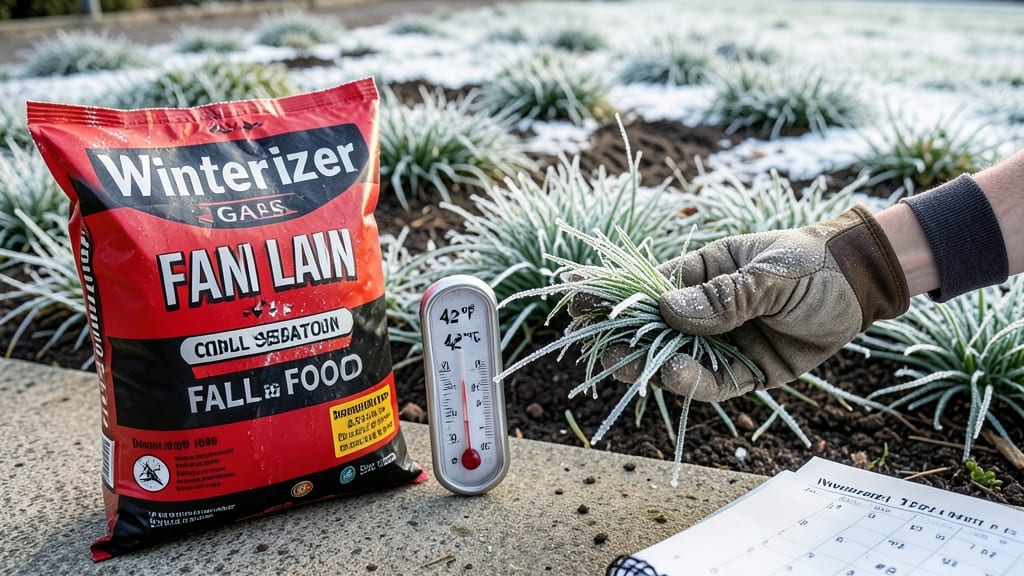
Fertilizing lawn grass when it is too cold to fertilize lawn can actually stunt growth or burn roots, wasting your effort and money.
Picture this: you’ve just spread that expensive slow-release fertilizer, only for a late frost to hit, leaving your lawn looking dull and patchy. That’s because cold soil locks out nutrients, and grass can’t absorb them—no matter how much you water.
Knowing the exact temperature thresholds saves you from over-fertilizing in freezing conditions. Whether you’re in Zone 6 or further north, the rule is simple: stop fertilizing when soil temps dip below 50°F (10°C), and switch to organic options if late-season feeding is necessary.
In this guide, I’ll break down the science behind cold-weather fertilization, how to check soil temperature, and the best organic alternatives to protect your lawn—without sacrificing its health.
Cold weather fertilizer thresholds: exact temperatures that damage grass roots
Fertilizing your lawn is a great way to keep it lush and green, but when temperatures drop, those nutrients can actually harm your grass instead of helping it. The key is understanding the exact temperature thresholds where grass roots struggle to absorb nutrients—especially for cool-season vs. warm-season varieties.
Let me break down the science so you know precisely when to stop fertilizing and why.
Grass roots become less active when soil temperatures fall below 50°F (10°C), but the damage threshold varies by grass type. Cool-season grasses like Kentucky bluegrass and fescue can handle slightly cooler conditions, while warm-season grasses like Bermuda or Zoysia shut down completely when temps dip below 60°F (15°C).
Below these thresholds, fertilizer salts burn roots instead of nourishing them, leading to brown patches and weak growth.
Here’s the critical data you need to know before applying fertilizer in cold weather:
| Grass Type | Safe Fertilizing Temp Range | Damage Threshold | Regional Considerations |
|---|---|---|---|
| Cool-Season Grasses (Kentucky Bluegrass, Fescue, Ryegrass) | 40°F - 65°F (4°C - 18°C) | Below 40°F (4°C) | Northern climates (USDA Zones 3-6): Stop fertilizing by mid-October. |
| Warm-Season Grasses (Bermuda, Zoysia, St. Augustine) | 60°F - 85°F (15°C - 29°C) | Below 60°F (15°C) | Southern climates (USDA Zones 7-10): Avoid fertilizing after early November. |
| Transition Zones (Zones 6-7) | 50°F - 70°F (10°C - 21°C) | Below 50°F (10°C) | Monitor soil temps closely; fertilize only when daytime highs exceed 60°F (15°C). |
Soil temperature is more critical than air temperature—your grass roots respond to the ground’s warmth, not the thermometer in your yard. To check, use a soil thermometer (insert 2-3 inches deep) or press your hand into the soil.
If it feels cooler than your wrist, it’s time to pause fertilization. In colder regions, soil temps can drop below 40°F (4°C) as early as September, while warmer climates may extend fertilizing into late October or November.
Cold weather slows microbial activity in the soil, which means nutrient breakdown happens at a snail’s pace. When you apply fertilizer in freezing conditions, the salts and chemicals concentrate around roots instead of being absorbed.
This leads to fertilizer burn, where grass turns yellow or brown and struggles to recover—even after temperatures rise. Think of it like trying to drink a super-concentrated sports drink when you’re dehydrated; it’s just too much, too fast.
If you’re in a northern climate (like Minnesota or upstate New York), aim to finish fertilizing by early October to avoid winter damage. For southern regions (Texas or Florida), you can fertilize later into fall, but stop by November 1st to prevent root stress before winter.
The key is to fertilize when grass is still actively growing but before the first hard frost hits. Use a slow-release fertilizer in late summer for a safer, extended nutrient boost without the risk of burn.
One common mistake is assuming that organic fertilizers are safer in cold weather—they’re not. While they break down slower, they still disrupt root systems when applied in freezing temps.
If you must fertilize late in the season, opt for a low-nitrogen, high-potassium blend (like a 5-0-10 ratio) to support root health without overstimulating growth. This helps grass harden off for winter instead of encouraging weak, frost-sensitive shoots.
Pro tip: If you’ve already fertilized too late, don’t panic. Water deeply (1-2 inches) to help dilute salts and flush them away from roots. Over the next few weeks, monitor your lawn for signs of stress, like thinning patches or yellowing.
If you see these symptoms, hold off on fertilizing until soil temps rise above 50°F (10°C) in spring. Patience is key—your grass will bounce back once conditions improve.
Remember, the goal of fall fertilization isn’t to push new growth but to strengthen roots for winter survival. By respecting these temperature thresholds, you’ll avoid wasted fertilizer, save money, and keep your lawn healthier year-round.
Next time you’re tempted to feed your grass in chilly weather, check the soil temp first—your lawn will thank you!
Signs your lawn is getting fertilizer burn in cold weather (and how to fix it)
Cold weather fertilization can backfire spectacularly, leaving your lawn looking more like a sad, patchy desert than a lush green carpet. When temperatures dip below 50°F (10°C), grass roots slow down or go dormant, making them unable to process nutrients properly.
This mismatch causes fertilizer burn, where excess salts and nutrients build up in the soil, damaging delicate root systems instead of nourishing them.
Even if you followed the recommended application rates, cold soil temperatures can turn your well-intentioned feeding into a lawn disaster. The symptoms often appear gradually, starting with subtle signs that many gardeners mistake for drought stress or winter dormancy.
Recognizing these early warning signs is key to saving your lawn before the damage becomes permanent.
⚠️ When Is It Too Cold to Fertilize Lawn?
Stop fertilizing immediately when:
- Soil temperatures drop below 50°F (10°C) (use a soil thermometer)
- Nighttime temperatures consistently fall below 40°F (4°C)
- Grass shows signs of dormancy (brown or grayish hue)
- Frost is predicted within 72 hours
Wait until: Soil warms to 55°F (13°C) consistently for 5+ days
One of the first visual symptoms of fertilizer burn in cold weather is uneven yellowing that appears in random patches rather than uniformly across the lawn.
These yellow areas often have a crispy texture at the edges, similar to what you'd see with drought stress—but unlike drought damage, these patches won't recover with water alone. The yellowing occurs because the excess salts draw moisture out of the grass blades through a process called osmotic shock.
Another telltale sign is slow or stunted growth despite active green color. If your lawn was thriving and suddenly the grass blades stop lengthening or new growth appears weak and rubbery, this indicates the roots are struggling to process nutrients.
Cold-weather burn also creates dark brown or blackened spots that feel firm to the touch—these are dead patches where the grass has essentially been "cooked" by the concentrated fertilizer salts.
To fix fertilizer burn, start by testing your soil to determine pH and nutrient levels. Many garden centers offer affordable soil test kits, or you can send a sample to your local Cooperative Extension Service.
Once you have the results, flush the affected areas with 1-2 inches of water over 2-3 days to leach out excess salts. For severe cases, consider applying gypsum (calcium sulfate), which helps break down salt buildup without altering soil pH.
After flushing, hold off on any additional fertilization until soil temperatures rise to at least 55°F (13°C) for consistent growth. Instead, focus on aerating compacted soil and top-dressing with compost or organic matter to improve soil structure.
This gives your lawn time to recover while providing essential nutrients in a gentler, more digestible form for cold-stressed roots.