
Lawn
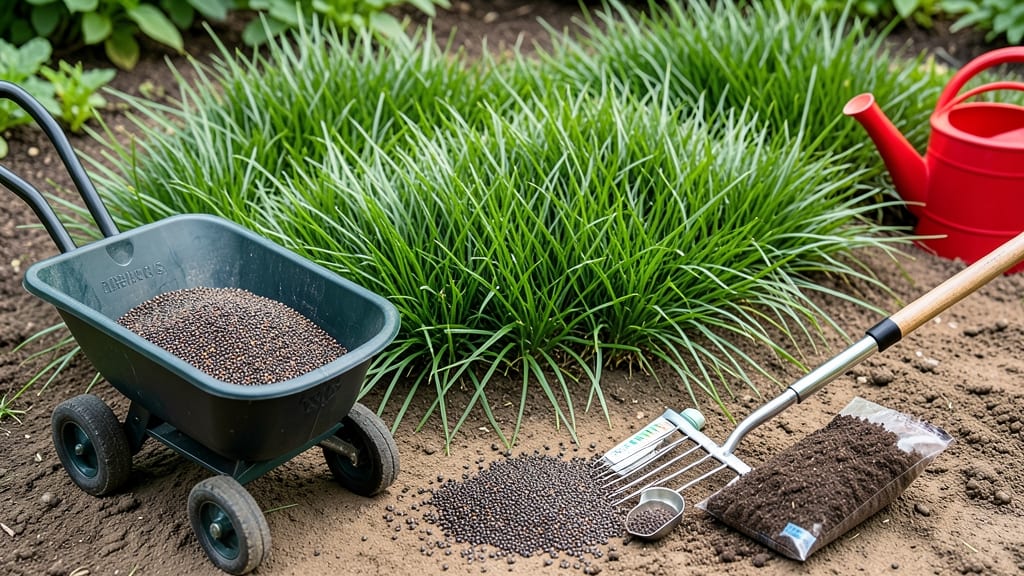
Seeding lawn grass in fall is the best time to get a thick, weed-resistant lawn—if you nail the window between mid-September and mid-October in USDA Zone 6a.
Fall lawn seeding can transform a patchy lawn into a lush, resilient carpet—but timing is everything. Plant too early, and weeds take over; too late, and frost kills your seeds before roots establish.
Cooler temperatures mean less stress on young grass, while 60–75°F soil helps seeds germinate faster. Plus, fewer weeds compete for space, giving your lawn a head start for spring.
Below, I’ll break down the exact dates for your zone, how to adjust for local weather, and the 3 signs you’re seeding at the wrong time—so you avoid costly mistakes.
Optimal fall lawn seeding window by USDA climate Zone
Fall is the perfect time to seed your lawn because cooler temperatures reduce stress on seeds, while still allowing 6-8 weeks of growth before winter dormancy. The USDA climate zones help pinpoint exact timing—too early, and weeds steal nutrients; too late, and frost kills young roots.
Let’s break down the ideal seeding windows for zones 3-10, plus regional tweaks for Pacific Northwest or Deep South climates.
Soil temperatures between 60–75°F are critical for germination. In warmer zones (8-10), aim for mid-September to early November, while colder zones (3-6) should seed by mid-October to avoid early frost.
The key is 4-6 weeks before your area’s first hard frost—check your local National Weather Service data for precision.
Regional adjustments matter: In the Pacific Northwest, milder winters extend the window to late October, while the Deep South may need seeding as early as August to beat summer heat. Always prioritize soil moisture and sunlight exposure—these trump zone guidelines.
| USDA Zone | Best Seeding Window | Soil Temp Goal (°F) | Frost Risk Threshold | Regional Adjustments |
|---|---|---|---|---|
| Zones 3-4 (Cold Climates) | Mid-August to Mid-September | 60–70°F | First frost: Late October | Northern Plains: Seed earlier (July-August) for cooler soils. |
| Zones 5-6 (Temperate) | Late August to Mid-October | 65–75°F | First frost: Mid-November | Pacific Northwest: Extend to late October due to milder winters. |
| Zones 7-8 (Warm Climates) | Mid-September to Early November | 70–80°F | First frost: December | Deep South: Seed by October to avoid summer heat stress. |
| Zones 9-10 (Hot/Dry) | August to Mid-October | 75–85°F | Minimal frost risk | Desert regions: Water daily after seeding to prevent drought. |
For high-altitude areas (e.g., Colorado, Utah), subtract 2 weeks from your zone’s window—cooler mountain air accelerates frost. Conversely, urban heat islands (like Phoenix or Atlanta) may push seeding 1-2 weeks later due to retained warmth. Always test your soil temperature with a soil thermometer—it’s the most reliable gauge.
In Zone 5, where I live, I seed around September 15th to balance germination time and frost risk. Last year, a late-September planting yielded a 90% coverage rate by spring, while a mid-October attempt struggled with frost damage.
Your local cooperative extension office can provide hyper-local frost data—worth the 5-minute call!
If you’re in Zone 9 or 10, focus on evening watering to prevent evaporation. In Zone 3 or 4, consider a lightweight row cover for early seedlings if frost sneaks in. Both strategies protect your investment without breaking the bank.
Pro tip: Ryegrass germinates faster (5–10 days) than fescue (14–21 days), so adjust your timeline if mixing varieties. Always overseed by 10–15% to account for uneven germination—it’s cheaper than patchy lawns!
Remember, fall seeding isn’t just about dates—it’s about giving grass roots 6–8 weeks to establish before winter. With the right timing, you’ll wake up to a thick, green carpet next spring, not a muddy mess. 🌱
How to adjust seeding timing for your local weather patterns
Your local weather patterns can shift your ideal seeding window by weeks—even if you’re in the same USDA zone as your neighbor. Soil temperature and rainfall trends are the two biggest factors.
For example, a high-altitude yard in Zone 6 might need seeds in early September, while a urban heat island in the same zone could wait until mid-October. Always check your first frost date and aim to seed 4-6 weeks before it hits.
Start by testing your soil temperature with a thermometer—60–75°F is the sweet spot for germination. If your soil runs cooler (common in Pacific Northwest or northern climates), opt for cool-season grasses like tall fescue or Kentucky bluegrass.
Warmer regions (like Zone 8+) can extend seeding into November, but monitor rainfall forecasts to avoid drought stress.
Microclimates complicate things further. A south-facing slope warms faster than a north-facing yard, while urban areas can trap heat, delaying frost. Use a local weather app to track daily lows—if nights dip below 50°F, your seeds may struggle.
Adjust by planting 2 weeks earlier in cooler microclimates or 1 week later in heat-trapping spots.
- 🌡️ Soil Temp Check: Use a soil thermometer at 2" depth. Seed only when temps hit 60–75°F for 5+ days.
- 📅 Frost Buffer: Seed 4–6 weeks before your average first frost. Check NOAA’s Frost Calculator for local data.
- 🌧️ Rainfall Rule: Aim for 1–1.5 inches of rain weekly after seeding. Use a rain gauge to track.
- ☀️ Sunlight Adjust: Shady yards? Choose fine fescue—it tolerates 3–4 hours of sun. Full sun? Tall fescue thrives.
- 🏙️ Microclimate Hack: Urban heat islands? Seed 1–2 weeks later than zone guidelines. Mountain areas? Plant 2 weeks earlier.
Don’t rely solely on USDA zones—they’re a starting point. For instance, Denver (Zone 5) might seed in late August, while Phoenix (Zone 9) can go until December.
Use local gardening forums or Cooperative Extension Service reports for hyper-local insights. Pro tip: Seed in the morning to avoid afternoon heat stress, especially in dry climates.
If your area has unpredictable weather (like flash droughts or early frosts), consider starter fertilizer with phosphorus to boost root growth. For high-altitude gardens, choose hardy varieties like creeping red fescue, which tolerates thin air and cold soils.
Always water deeply 2–3 times per week after seeding to encourage deep root penetration.
Fine-tune your timing by observing nearby lawns. If you see weeds sprouting aggressively in August, you’re likely too early—wait until late September.
Conversely, if grass blades turn purple-brown by October, you’ve waited too long. Adjust yearly based on your yard’s unique conditions, and soon you’ll have a thick, weed-resistant lawn every fall. 🌱