
Lawn
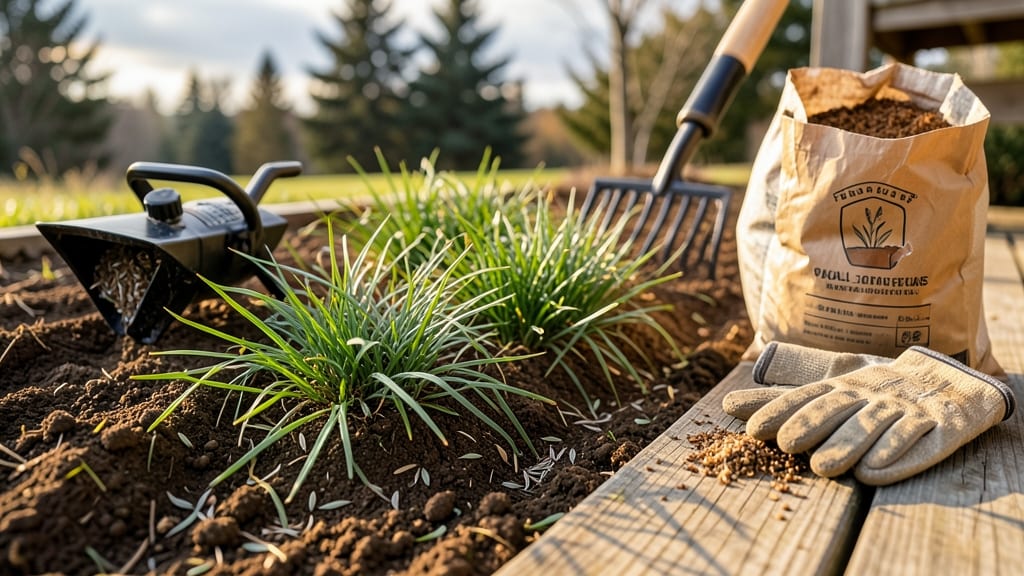
To reseed lawn in the fall is your best bet for a thick, weed-resistant carpet by spring — but the clock starts ticking the moment soil cools.
Fall reseeded lawns grow into lush, frost-resistant carpets—but timing is everything. Plant too early, and weeds take over; too late, and winter kills your seeds before they establish. Here’s the exact window by climate zone to maximize success.
Cool-season grasses like fescue and ryegrass thrive when daytime temps hover between 60°F and 75°F, giving roots 4-6 weeks to grow before frost. In Zone 6a, that means late August to early September — but shift those dates north or south, and the window slides with them.
Below, I break down the ideal dates for your region, how to prep soil for seed success, and the 3 critical mistakes that turn a fall project into a spring headache.
Fall reseeding timeline by USDA climate Zones: when to plant for optimal root growth
Timing your fall lawn reseed is like catching a wave—too early, and weeds steal the show; too late, and winter stunts your grass. The 4-6 week rule before frost is your golden window, but it shifts dramatically across USDA Zones 3-10.
Let’s break it down by region so your grass roots have time to establish before winter’s chill sets in.
Cooler fall temperatures and reduced weed competition make autumn the perfect season for reseeding. However, soil warmth—not calendar dates—dictates success. Aim for 55-65°F soil temps (test with a soil thermometer) to trigger germination while keeping nighttime temps above 40°F to avoid frost damage to tender seedlings.
Here’s your zone-by-zone planting schedule, accounting for regional frost patterns and soil conditions. Use this as your guide, but always verify local frost dates—microclimates can shift windows by 2-4 weeks.
For Zone 3-4 gardeners, think of August as your last chance—soil cools quickly, and weeds like crabgrass explode if you delay. In these northern climates, Tall Fescue and Fine Fescue outperform others due to their cold tolerance. Test soil moisture weekly; dry spells can stall germination faster than cold.
Zones 5-6 offer the most flexibility, but don’t wait past mid-September in the Midwest—soil temps drop below 55°F by October, slowing root growth.
The Pacific Northwest is an exception: milder winters let you push planting to early October, but avoid Kentucky Bluegrass if your soil stays soggy—it’s prone to fungal rot.
Southern gardeners in Zones 7-10 have the longest window, but heat is the real enemy. Soil temps above 75°F can bake seeds before they sprout. Ryegrass and Fescue are your best bets, but water deeply twice daily until germination (usually 7-14 days) to keep soil cool and moist.
Pro tip: Adjust for elevation. Mountain regions (e.g., Colorado, Appalachia) have earlier frosts—plant 3-4 weeks earlier than your zone’s average. Conversely, coastal areas (e.g., Pacific Northwest) can plant 2 weeks later thanks to maritime moderation.
Always pair your planting date with a soil test. Aim for a pH of 6.0-7.0—most grasses struggle outside this range.
If your soil is acidic, add lime 4-6 weeks before seeding; for alkaline soil, work in sulfur. Don’t skip this step—poor pH is the #1 reason reseeding fails.
Finally, mark your calendar for 4-6 weeks post-planting to apply a winterizer fertilizer (high potassium, low nitrogen). This hardens off roots before frost, ensuring your lawn wakes up thicker and greener next spring. Timing is everything, and now you’ve got the exact schedule to nail it.
5 Critical factors that determine your perfect reseeding window (beyond just dates)
Your lawn’s success depends on more than just checking a calendar. While general guidelines suggest late summer to early fall, your local soil temperature, daylight hours, and rainfall patterns can shift the ideal window by weeks.
For example, a cool-season grass like Kentucky bluegrass thrives when soil stays above 55°F (13°C) for root growth—but if your area cools faster, you’ll need to plant earlier.
Don’t assume your neighbor’s timeline works for you. Microclimates—like shaded spots or south-facing slopes—create local variations. Even within the same city, urban heat islands can delay frost by 2+ weeks. To find your perfect window, test these 5 factors first.
- Soil Temperature: Aim for 55–75°F (13–24°C). Use a soil thermometer—cool-season grass roots grow best when soil stays above 55°F (13°C) for 4+ weeks. If your soil drops below this, plant 2–3 weeks earlier.
- Day Length: Cool-season grasses need 10–14 hours of daylight. If your area loses daylight faster (e.g., northern climates), plant by mid-August to avoid shortened growing seasons.
- Rainfall Patterns: Check your area’s average September rainfall. If your region gets 2+ inches of rain weekly, you can plant later. Drier areas (e.g., Southwest) need supplemental watering and earlier planting.
- Grass Type: Cool-season grasses (e.g., fescue, ryegrass) need 4–6 weeks before frost. Warm-season grasses (e.g., Bermuda, Zoysia) should be overseeded in late fall (November) when soil cools.
- Local Frost Dates: Use the National Weather Service’s frost calculator to find your first frost date. Plant 6 weeks before this date—earlier in Zone 3–5, later in Zone 7–10.
Here’s how to test your local conditions: Bury a soil thermometer 2 inches deep in a sunny spot and check daily for 3 days. If temps hover around 60°F (16°C), it’s prime time. For shaded areas, soil stays cooler—plant 1–2 weeks earlier.
Warm-season grasses like Bermuda or Buffalo need a different approach. Overseed them in late fall (November) when soil temps drop below 70°F (21°C). This tricks the grass into dormancy mode while cool-season varieties establish.
Pro tip: If your lawn has bare spots from summer drought, prioritize reseeding in September—this gives roots time to strengthen before winter. Skip if your area gets frequent early frosts (e.g., Zone 4), and wait until May for spring reseeding.
Remember, consistent moisture is key. Water lightly daily for the first 2 weeks to keep soil moist but not soggy. A sprinkler timer saves time and ensures even coverage.