
Lawn
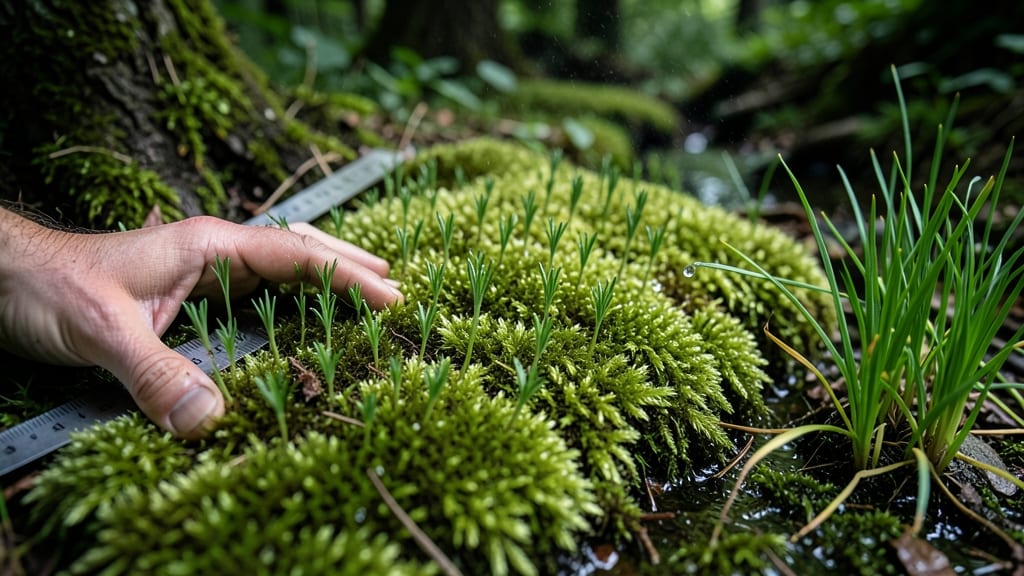
That velvety green moss growing in the lawn isn't just pretty—it's stealing nutrients from your grass. 🌱 I've battled moss in my own yard, and I'll show you how to reclaim your lawn without harsh chemicals or expensive treatments.
The real culprits are usually poor drainage, too much shade, or acidic soil that grass just can't compete with. Moss thrives where grass struggles, so fixing the underlying issues is key.
Most people make the mistake of trying to kill moss before addressing what's letting it take over in the first place. With the right approach, you'll see thick, healthy grass pushing back within just a few weeks.
The secret is improving soil quality, proper aeration, and choosing the right grass seed for your yard's conditions. I'll walk you through the exact steps that worked for me—no gardening degree required.
This method works for both sunny patches and shady corners, whether you're dealing with a small moss invasion or a full-blown takeover. Let's get your lawn back to being the vibrant green carpet it should be.
📚 In This Guide
- What you need
- Instructions
- Tips and common mistakes
- Wrapping up and next steps
What you need
- ● Garden gloves – 1 pair (waterproof, for comfort and hygiene)
- ● Rake or dethatching tool – 1 (bendable tines for gentle removal)
- ● Garden hose or sprinkler – For wetting the lawn (adjustable nozzle helps)
- ● Lawn fertilizer (low-nitrogen, iron-rich) – 1 bag (5–10 lbs, look for 0-0-10 or similar)
- ● Lime (pelletized or powdered) – 1 bag (20–50 lbs, pH-raising, 100% calcium carbonate)
- ● Broadcast spreader – 1 (for even application of lime/fertilizer)
- ● Lawn seed (shade-tolerant grass) – 1 bag (5–10 lbs, e.g., fine fescue or Kentucky bluegrass)
- ○ Soil test kit (optional but recommended) – 1 (to check pH and nutrient levels)
- ● Moss killer (natural or chemical) – 1 bottle (e.g., vinegar-based or iron sulfate)
- ● Lawn aerator – 1 (manual or rental, for compacted soil)
- ● Mulch or compost – 1–2 bags (to improve soil health post-treatment)
- ● Knee pads or cushion – 1 pair (for comfort during long sessions!)
- ● Weather forecast check – Schedule work for a dry, sunny day (avoid rain for 24–48 hours after treatments)
5-Step guide to fixing moss in your lawn
Moss might look like a lush green carpet, but it’s actually a sign your lawn needs better care. Here’s how to restore healthy grass—without harsh chemicals.
🌱 Step 1: Identify the Cause of the Moss
Before you take action, figure out why moss is thriving. Moss loves shady, damp, and acidic conditions—exactly where grass struggles. Walk your lawn and note the areas with thick moss. These spots are usually under trees, in low spots, or where foot traffic compacts soil.
Check the soil pH with a simple test kit. If it’s below 6.0, your lawn is too acidic for grass. Moss doesn’t need much sunlight, so if a patch stays green even in shade, that’s your clue. Healthy grass needs 4-6 hours of direct sun daily—moss doesn’t. Take notes on which areas need more light or better drainage.
☀️ Step 2: Improve Sunlight and Airflow
Thin out overhanging tree branches to let more sunlight reach mossy areas. Even a few hours of extra light can weaken moss and give grass a fighting chance. Prune branches in late winter or early spring before new growth starts. Avoid heavy pruning in summer—it stresses trees and can drop leaves that smother grass.
Rake up fallen leaves and debris, especially in shady spots. A thick layer blocks sunlight and keeps soil moist—perfect moss conditions. Use a stiff rake to loosen compacted soil in high-traffic areas. Aerate these spots with a garden fork or rent a core aerator. You’ll see soil fluff up and roots breathe easier once you’re done.
💧 Step 3: Adjust Soil and Watering Habits
Spread a 2-3 inch layer of compost over mossy areas to improve soil structure and drainage. Work it into the top inch of soil with a rake. Avoid heavy clay soil—it holds too much water, which moss loves. If your lawn drains poorly, consider adding sand or perlite to amend the soil over time.
Water deeply but less frequently. Moss thrives in constantly damp soil, while grass needs 1 inch of water per week, including rain. Water early in the morning so moisture evaporates by evening. Avoid watering shady areas—let them dry out more between waterings. You’ll know you’re doing it right when the soil feels dry 1-2 inches down before the next watering.
✂️ Step 4: Overseed with the Right Grass
Choose a shade-tolerant grass variety like fine fescue or creeping red fescue for mossy, shady spots. Spread ½ pound of seed per 100 square feet over the area. Lightly rake the seeds into the soil so they make contact but don’t bury them too deep. Keep the soil moist until germination, which usually takes 10-21 days.
If moss is thick, smother it first by laying down cardboard or thick layers of newspaper over the area, then cover with 2-3 inches of mulch or straw. This blocks light and lets grass seeds grow without competition. Avoid chemical moss killers—they can harm grass too. Instead, let nature do the work as your new grass takes over.
🌿 Step 5: Maintain for Long-Term Grass Health
Mow high—3-4 inches—to strengthen grass roots and shade out moss. A thick lawn blocks sunlight, making it harder for moss to return. Fertilize in early spring and fall with a slow-release, nitrogen-rich fertilizer to encourage deep root growth. Avoid over-fertilizing, which can burn grass and create other problems.
Test your soil every 2-3 years and adjust pH if needed. Lime can raise pH to a grass-friendly 6.5-7.0. Keep an eye on shady spots—they’ll always be moss-prone, but a well-maintained lawn will outcompete it over time. With patience, your lawn will go from mossy to lush in just one growing season.
Tips & tricks for eliminating moss from your lawn
These practical strategies will help you transform that mossy carpet into a thriving lawn without harsh chemicals.
Diagnose Like a Pro: In Step 1, when you're identifying mossy areas, pay close attention to the texture—moss grows in dense mats while grass has individual blades. Test soil pH in multiple spots, especially where moss is thickest. I've seen lawns where pH varied by 1.5 points just 10 feet apart! Use a test kit that gives you exact readings rather than just "acidic/neutral/alkaline." This precision helps you target lime applications more effectively in Step 5.
Pruning Timing Matters: When improving sunlight in Step 2, don't rush into summer pruning. I learned this the hard way after removing too many branches in July—my trees stressed out and dropped leaves that smothered new grass growth. Late winter or early spring is ideal because trees are dormant and can handle the stress better. If you must prune in summer, do it gradually over several weeks to minimize shock.
Soil Prep Shortcut: For Step 3's compost application, consider using a combination of compost and coarse sand (about 20% sand) for areas with heavy clay. This improves drainage immediately while the compost works to loosen soil over time. I've found that mixing these in a 3:1 ratio (compost to sand) gives the best results for compacted areas. Spread it evenly with a rake, then water thoroughly to help it settle into the soil.
Germination Check: During Step 4's 10-21 day germination window, don't be tempted to water constantly—this creates perfect conditions for moss to return. Instead, water deeply every 2-3 days, checking that the top inch of soil stays moist but not soggy. You'll know you're doing it right when you see tiny grass blades pushing through the mulch after about 10 days. This balanced approach prevents both under-watering and over-watering.
Pro Tips for Moss Growing In The Lawn
- These practical strategies will help you transform that mossy carpet into a thriving lawn without harsh chemicals.
- Diagnose Like a Pro: In Step 1, when you're identifying mossy areas, pay close attention to the texture—moss grows in dense mats while grass has individual blades.
- Pruning Timing Matters: When improving sunlight in Step 2, don't rush into summer pruning.
Frequently asked questions
Got questions about moss in your lawn?
You’re not alone! Here are the most common concerns—and straightforward answers to help you take action.
Is moss in my lawn a sign of a bigger problem?
Not always! Moss thrives in damp, shady, or compacted soil, but it can also indicate poor drainage or acidic soil. If your lawn is otherwise healthy (no brown patches or weeds), moss might just be a natural ground cover. However, if moss spreads aggressively, it could signal deeper issues like poor soil quality or overwatering.
When is the best time to remove moss from my lawn?
Fall (September–November) and early spring (March–April) are ideal! Moss grows best in cool, wet conditions, so treating it during these times gives you the upper hand. Avoid summer—heat and drought stress your lawn further while you’re working. Pro tip: Rake after rain for easier removal.
Can I just leave moss in my lawn, or should I remove it?
It depends! If moss covers <10% of your lawn, it’s harmless and may even suppress weeds. But if it’s spreading rapidly, removing it prevents it from smothering grass roots. For a balance, spot-treat dense patches and overseed bare areas. Warning: Never let moss dominate—it competes with grass for nutrients!
Why does moss keep coming back after I treat it?
Moss is persistent because it loves the same conditions it thrives in (shade, moisture, thin soil). To break the cycle:
- Improve drainage with sand or compost.
- Overseed with shade-tolerant grass.
- Apply lime to raise soil pH (moss prefers acidic soil).
- Reduce foot traffic in problem areas.
What’s a natural way to kill moss without chemicals?
Try these DIY methods:
- Salt or vinegar: Sprinkle rock salt or spray white vinegar (1:1 with water) on mossy areas. Caution: Avoid overuse—it can harm grass and soil.
- Baking soda: Mix 1 cup baking soda with 1 gallon of water, spray, and let sit for 24 hours before raking.
- Corn gluten: Apply in early fall to prevent moss spores from germinating.
Wrapping up and next steps
A lush, moss-free lawn isn’t just about aesthetics—it’s about healthier soil, stronger grass, and a thriving outdoor space. 🌱 Whether you’ve tackled shady spots, improved drainage, or adjusted your mowing habits, every step brings you closer to a vibrant lawn.
Now’s the time to stay consistent—monitor progress, celebrate small wins, and keep those roots happy!
Ready to take it further? Test your soil every few months, experiment with grass seed blends, or even explore eco-friendly lawn care products. Your perfect lawn is just one green step away!