
Lawn
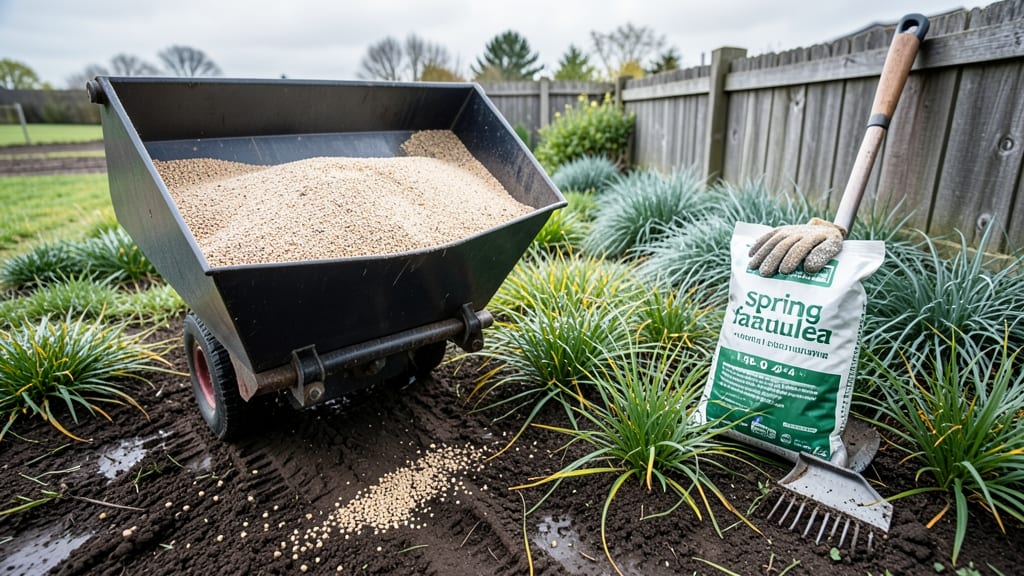
Fertilizing your lawn in spring at the right time is the key to a vibrant, healthy 🌱 lawn grass all season long.
Timing your spring lawn fertilization wrong can mean wasted money—or worse, stunted grass growth. But get it right, and you’ll have a lush, green lawn all season long. Here’s exactly when to fertilize based on your climate zone.
Most lawns need their first feeding after the last frost when soil temperatures hit 60°F—usually in early spring. In cooler zones like USDA 6a, that’s often March or April, while warmer regions can start as early as February.
Below, I’ll break down the best months for your zone, how to prep your lawn for fertilization, and the 3-step process to ensure your grass thrives all year.

Best spring fertilization months by US climate zone
Spring fertilization is the secret to a vibrant lawn, but timing matters more than most gardeners realize. Your USDA climate zone determines when to apply fertilizer—too early, and nutrients get wasted; too late, and your grass misses critical growth spurts.
Let’s break down the optimal fertilization windows for Northern, Southern, and Transition zones, plus the soil temperature triggers that signal "go time."
In Northern zones (USDA 3-5), where winters are harsh, your lawn wakes up slowly. Fertilizing too soon—like in late February—can shock cold soil and lead to runoff. Instead, wait until soil temperatures hit 50°F (10°C) consistently, usually in mid-to-late April.
This timing ensures nutrients sync with your grass’s growth cycle, preventing waste and promoting deep root development.
Southern gardeners (USDA 8-10) enjoy an earlier start, but heat can be just as tricky. Fertilize in early March when daytime temps hover around 65°F (18°C). The key is avoiding summer’s scorching heat—your grass will struggle to process nutrients efficiently once temperatures exceed 85°F (29°C).
A slow-release fertilizer applied in March gives your lawn steady nourishment without burning it.
Transition zones (USDA 6-7) require a middle-ground approach. Aim for late March to early April, aligning with your last frost date. Use a soil thermometer to confirm temps are above 55°F (13°C)—this threshold signals active root growth.
Pro tip: If your area experiences unpredictable frost, wait until two weeks after the average last frost date to fertilize.
| Climate Zone | Optimal Month | Soil Temp Trigger | Key Consideration |
|---|---|---|---|
| Northern (USDA 3-5) | Mid-to-late April | 50°F (10°C) | Avoid early runoff; prioritize root growth |
| Transition (USDA 6-7) | Late March–Early April | 55°F (13°C) | Wait 2 weeks post-last frost; use slow-release |
| Southern (USDA 8-10) | Early March | 65°F (18°C) | Avoid summer heat; focus on early growth |
| All Zones | Early Morning | N/A | Apply before 10 AM to reduce evaporation |
Regional variations add another layer of complexity. For example, Pacific Northwest gardeners (USDA 7-9) should fertilize in late April to avoid wet soil conditions, while Southeast lawns (USDA 8-9) benefit from an early March application to outpace summer weeds.
Always check your local cooperative extension service for hyper-local advice—microclimates can shift optimal timing by weeks.
Don’t overlook grass type when planning. Cool-season grasses like Kentucky bluegrass and fescue thrive with spring fertilization, but warm-season grasses like Bermuda or Zoysia need a lighter touch. For the latter, a low-nitrogen fertilizer (10-0-10) in late spring (May-June) supports heat tolerance without promoting excessive top growth.
Watch for soil moisture too—dry conditions can stress grass after fertilization. If your lawn feels crispy, water deeply 24 hours before and 48 hours after applying fertilizer to help roots absorb nutrients.
Overwatering, however, can dilute nutrients and cause runoff, so aim for 1 inch of water per week unless your region is in drought.
One common mistake? Fertilizing newly seeded lawns too soon. Wait until the grass has 3-4 inches of growth and is actively spreading before applying fertilizer. This ensures young roots are strong enough to handle nutrient uptake.
For established lawns, a pre-emergent herbicide applied in early spring (before weeds sprout) can complement your fertilization plan.
Pro tip: Mark your calendar for 6-8 weeks after fertilization to apply a second feeding if your grass shows signs of thinning. This second boost—typically in late May to June—keeps your lawn lush through summer.
Just remember: never fertilize in fall for cool-season grasses, as it encourages late growth that weakens before winter.
By aligning your fertilization schedule with your climate zone, soil temperature, and grass type, you’ll maximize nutrient absorption and minimize waste. A well-timed spring feeding sets the stage for a thick, green lawn that stays healthy all season long. 🌱
How to tell if your lawn needs spring fertilizer
Spring is the perfect time to give your lawn the nutrients it needs to thrive, but not all lawns require fertilization.
Before reaching for that bag of fertilizer, check for these key signs that your grass is hungry for a boost. Yellow patches, thin grass, or slow recovery after winter are all red flags.
However, some lawns may already have enough nutrients—especially if you fertilized in fall or have rich soil.
First, assess your lawn’s overall health. Look for uneven color, where some areas are darker green while others look pale or yellowish. This often indicates nutrient deficiency, particularly nitrogen, which is essential for vibrant growth.
If you notice weeds thriving while your grass struggles, that’s another sign your lawn needs feeding. Healthy grass naturally crowds out weeds, so a weak lawn invites unwanted guests.
Don’t fertilize if your lawn is still dormant or if the soil is too cold. Grass needs active growth to benefit from fertilizer, and applying it too early can waste money and even harm your lawn.
Wait until you see new green shoots emerging and the soil feels warm to the touch—usually when daytime temperatures consistently reach 60°F or higher.
⚠️ When NOT to Fertilize Your Lawn in Spring
Skip fertilization if: Soil is frozen or waterlogged (fertilizer won’t absorb properly). Grass is dormant or patchy (wait for new growth). You’ve already fertilized in fall (overfeeding can burn roots). Weeds are dominant (fix soil health first).
Before applying fertilizer, conduct a simple soil test to check nutrient levels. Many local extension offices or garden centers offer affordable testing kits. A test will reveal if your soil lacks nitrogen, phosphorus, or potassium, helping you choose the right fertilizer.
For example, a low nitrogen reading means your lawn needs a high-nitrogen fertilizer, while a high phosphorus level might indicate you should focus on other nutrients.
Pay attention to how your lawn responds after mowing. If grass blades feel soft or mushy and recover slowly, it’s a sign of weak roots and potential nutrient deficiency. Healthy grass should bounce back quickly after being cut.
Additionally, if you notice increased foot traffic damage, like flattened spots that take weeks to recover, your lawn may need a nutrient boost to strengthen its resilience.
If your lawn has bare spots or thin areas that won’t fill in, it’s often a sign of poor soil health or insufficient nutrients. In this case, consider aerating your lawn before fertilizing to help nutrients penetrate the soil more effectively.
Aeration creates small holes in the soil, allowing fertilizer to reach the roots where it’s needed most. This step is especially important for lawns with compacted soil or heavy foot traffic.
Remember, over-fertilizing can do more harm than good, leading to burnt grass or excessive growth that requires more mowing. Always follow the recommended application rates on your fertilizer’s packaging and water your lawn thoroughly after applying to help nutrients absorb into the soil.
With the right approach, your lawn will reward you with vibrant green color and lush growth all season long. 🌱