
Lawn
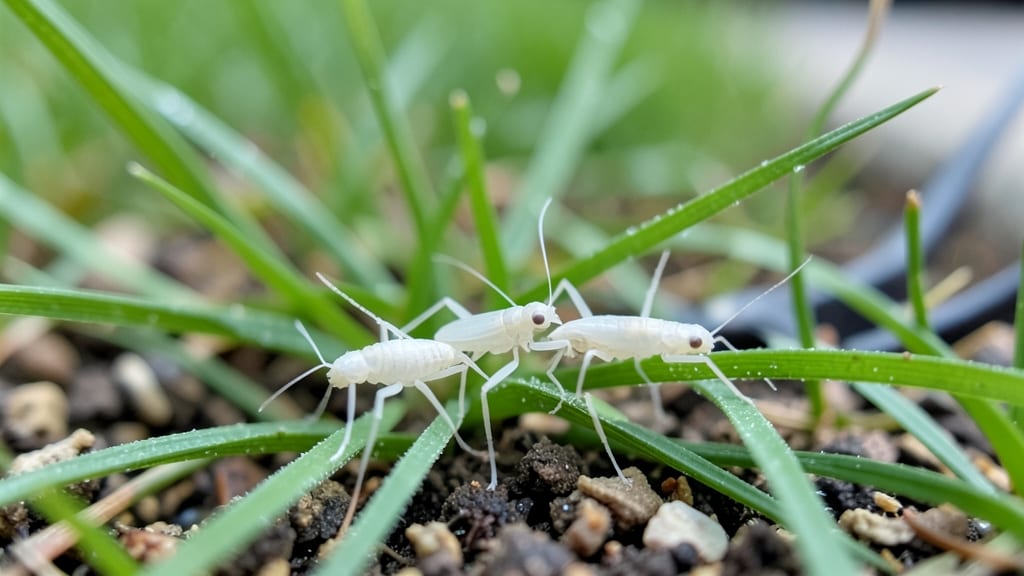
Those tiny small white bugs in the lawn hopping across your grass this spring aren’t just annoying—they’re stealing nutrients and stressing your lawn. 🌱 I’ve battled them for years, and I’ll show you three natural sprays that work faster than store-bought chemicals.
The key is acting now, before they multiply into a full-blown infestation.
Most of these pests are springtail or fungus gnat larvae—tiny, white, and often mistaken for fleas. They thrive in damp, thatchy grass, so the first step is drying out the lawn with a fan or rake before spraying.
My go-to mix? Neem oil + dish soap + water—it smothers them without harming your yard.
Within 24-48 hours, you’ll see fewer bugs scurrying around, and your grass will start looking healthier. The secret? Reapply every 7-10 days until they’re gone. Plus, these sprays prevent future outbreaks by breaking their life cycle.
Works for all lawn types, from shady patches to sunny yards. No harsh chemicals, just fast, natural relief. Let’s get your grass back to its best!
Root Causes Behind Lawn Invaders
If you’ve noticed tiny white bugs crawling across your lawn, they’re likely not just an annoyance—they’re a sign your yard is sending out an open invitation. Understanding why these pests appear helps you address the real issues, not just the symptoms.
Below, we break down the science behind their presence, so you can take targeted action.
Many small white lawn pests—like fungus gnats, springtails, or even immature grubs—thrive in damp, waterlogged environments. Here’s why:
- Poor drainage: Lawns with clay-heavy soil or compacted layers trap excess moisture, creating a breeding ground for moisture-loving insects.
- Overwatering: While grass needs hydration, constant watering (especially in shaded areas) keeps soil soggy for weeks, encouraging fungal growth that attracts gnats and springtails.
- Decomposition buildup: Thatch or dead organic matter in thick layers holds moisture, attracting pests that feed on decaying plant material.
Actionable fix: Test your soil’s drainage by digging a 6-inch hole—if water pools after 24 hours, amend with compost or sand. Water deeply but infrequently (1–1.5 inches per week) and mow high (3–4 inches) to reduce soil exposure.
White bugs often hitch a ride on fungal hyphae or feed on decomposing plant debris. Here’s the connection:
- Fungus gnats: Their larvae feed on fungal threads in moist, organic-rich soil. If your lawn has thatched grass or fallen leaves, gnats will multiply.
- Springtails: These tiny, white, spring-loaded bugs thrive in damp mulch, compost piles, or leaf litter, where fungi and bacteria flourish.
- Grubs (white larvae): While not always white, some species (like Japanese beetle grubs) tunnel in fungal-infested turf, weakening roots.
Actionable fix:
- Rake up thick thatch (more than ½ inch) to expose soil to sunlight and reduce fungal growth.
- Remove leaf litter and mulch from direct lawn contact—pile them in a compost bin instead.
- Apply a beneficial fungus treatment (like Trichoderma strains) to outcompete harmful fungi naturally.
If the white bugs are larvae (like those of beetles or flies), they’re likely feeding on your lawn’s roots. Here’s how it happens:
- Adult beetles lay eggs: Species like June bugs or masked chafers deposit eggs in warm, moist soil, hatching into white, C-shaped grubs.
- Larvae munch on roots: Grubs chew through grass roots, causing brown patches that pull up easily—even if the bugs themselves are hidden.
- Cool, wet springs: Grubs thrive in temperatures between 50–85°F, making early spring or fall the peak risk periods.
Actionable fix:
- Inspect for brown, spongy grass—a sign of grub damage. Dig up a small patch; if you find >5 grubs per square foot, act fast.
- Encourage beneficial nematodes (Heterorhabditis bacteriophora) to target grubs naturally.
- Avoid synthetic grubs in favor of milky spore (a bacterial treatment) or neem oil sprays for organic control.
Stressed grass is more attractive to pests because it’s easier to digest. Common imbalances include:
- Low nitrogen: Weak grass can’t fend off insects, making it a buffet for larvae and gnats.
- Excess phosphorus: Over-fertilization (especially with high-P blends) disrupts soil microbes, creating conditions pests love.
- pH imbalances: Soil pH < 6.0 or > 7.5 reduces microbial diversity, letting fungal pests dominate.
Actionable fix:
- Test your soil’s pH and nutrient levels (home kits work, but labs are more precise). Aim for pH 6.0–7.0 and balanced NPK.
- Apply compost or worm castings to boost microbial activity and crowd out pests.
- Choose slow-release, organic fertilizers (like fish emulsion or seaweed extract) to avoid nutrient spikes.
💡 Pro Tip: If you’ve ruled out moisture and fungal issues but still see white bugs, check for aphids or mealybugs on nearby plants—they can migrate to grass and leave behind sticky residue that attracts ants (and more pests).
Quick Fixes for Tiny Lawn Invaders
Got those pesky small white bugs ruining your lawn’s spring glow? Don’t panic—these targeted fixes will help you reclaim your green space naturally and efficiently. Below, we’ve matched the most common causes to the best solutions, so you can tackle the problem head-on without harsh chemicals.
---
If your lawn is dotted with tiny white hoppers or jumpy critters, these pests are likely the culprits. Here’s how to evict them for good:
#### 🔥 Manual Removal: The OG Lawn Rescue For flea beetles or springtails, a simple vacuum or broom sweep can work wonders—especially in small yards. - How to do it: Use a stiff-bristled broom or leaf blower to dislodge bugs from grass blades.
For stubborn clusters, vacuum them up with a shop vac (empty the bag outside!). - Best time: Early morning when pests are sluggish (thanks to dew). - Pro tip: 💡 Repeat every 2–3 days until you stop seeing them.
#### 🍳 Diatomaceous Earth: The Silent Killer This powdery mineral is a natural insecticide that dehydrates soft-bodied bugs like springtails and fungus gnats. - How to apply: Sprinkle a thin layer over affected areas (avoid overdoing it—it can harm beneficial soil microbes).
Reapply after rain. - Bonus: Safe for pets and kids once settled into the soil. - Warning: ⚠️ Wear a mask when applying to avoid inhaling the dust.
---
If your lawn has a white, cottony mold (like snow mold or powdery mildew), the bugs are secondary pests feeding on decaying organic matter. #### 👨🍳 Improve Drainage & Airflow Fungus thrives in damp, compacted soil.
Break the cycle with these steps: - Aerate your lawn (rent a core aerator or use a manual spike aerator for small areas). - Reduce thatch by overseeding or dethatching in early spring. - Water deeply but less often—aim for 1 inch per week to prevent fungal growth. - Pro tip: ✨ Spread a thin layer of compost to boost soil health and outcompete fungi.
#### 🔪 Natural Fungicides to Spray For stubborn fungal spots, mix one of these sprays and apply with a pump sprayer: | Solution | How to Mix | Reapply | |----------------------------|-----------------------------------------|-------------------| | Neem Oil Spray | 1 tbsp neem oil + 1 tsp mild soap + 1 gallon water | Every 7–10 days | | Baking Soda Spray | 1 tbsp baking soda + 1 quart water + few drops dish soap | Every 5–7 days | | Hydrogen Peroxide (3%) | 1 part H₂O₂ + 4 parts water | Every 3–4 days |
Spray tip: 🌡️ Apply in the early morning or evening to avoid burning grass in sunlight.
---
Once your lawn is pest-free, lock in those gains with these long-term strategies: - 💪 Strengthen grass roots by fertilizing with slow-release organic fertilizer (like compost or alfalfa meal). - 🌿 Mulch properly—use wood chips or straw (not thick layers) to deter fungal growth. - 🎯 Encourage predators like birds, toads, and ground beetles by planting native wildflowers or leaving leaf litter in shady spots. - ✨ Seasonal checkups: Inspect your lawn monthly for early signs of pests or fungus.
--- Final note: Patience is key—some fixes (like soil drainage) take time to show results. But with these steps, your lawn will be back to lush in no time! 🌱
Frequently asked questions
Are these small white bugs actually harmful to my lawn?
Most tiny white lawn pests like springtails or fungus gnat larvae are more annoying than harmful, but they can indicate underlying issues. They feed on decaying organic matter and fungal threads, which means your lawn might have excess moisture or thatch buildup. Left unchecked, they can contribute to fungal growth that weakens grass roots.
How can I tell if the white bugs are grubs versus springtails?
Grubs are usually C-shaped, white larvae (about ½ inch long) that wiggle when disturbed, while springtails are tiny, spring-loaded bugs (less than 1/16 inch) that jump. Dig up a small patch of grass—if you find brown patches pulling up easily, you likely have grubs damaging roots.
Will my pets be safe if I use diatomaceous earth?
Once settled into the soil, diatomaceous earth is generally safe for pets, but it can irritate their lungs if inhaled. Keep pets away during application (wear a mask yourself) and avoid using it around pet bedding areas. For extra safety, opt for food-grade DE and reapply only as needed after rain.
How long does it take to see results from natural sprays?
Most natural treatments like neem oil or baking soda sprays show noticeable improvement within 24-48 hours, but full eradication may take 1-2 weeks of consistent application. For grubs, beneficial nematodes take 3-4 weeks to fully establish and eliminate the population.
Can I prevent these bugs from coming back next year?
Focus on soil health—aerate annually, reduce thatch, and improve drainage. Overseed with drought-resistant grass types and apply compost or worm castings in early spring. Regularly inspect for early signs of pests and maintain proper watering schedules (deep but infrequent).