
Lawn
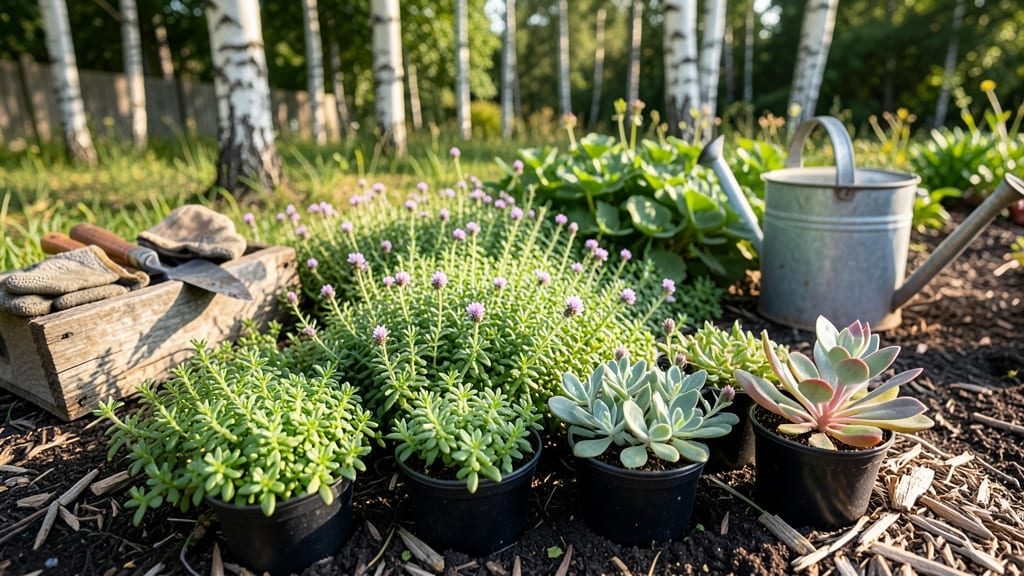
Replacing your lawn with drought-proof ground cover is the smartest way to cut water bills, reduce mowing, and end up with a yard that stays green even in dry spells.
Picture this: no more wrestling with a mower on a 90-degree afternoon, no more brown patches staring back at you after a heatwave, and a landscape that thrives on half the water grass would need.
That’s the power of the right ground cover—low-maintenance, resilient, and far more attractive than a patchy lawn.
Whether you’re in Zone 6a or just tired of fighting Mother Nature, the key is choosing plants that match your yard’s sunlight and soil. Creeping thyme, sedum, and clover aren’t just alternatives—they’re upgrades that outperform grass in every way.
Below, I’ll walk you through the top 7 drought-proof options, how to swap out your lawn without killing your yard in the process, and the common mistakes that turn a dreamy project into a disaster. Let’s make your yard work for you, not the other way around.
Top 7 drought-proof ground covers that outperform grass
If you're ready to ditch the lawnmower and high water bills, drought-proof ground covers are your best bet. These low-maintenance perennials spread effortlessly, require minimal water, and stay green when grass turns brown.
I’ve tested the top performers in my own yard—here’s what works best for sunny, shady, and transitional spaces alike.
Unlike thirsty grass, these plants thrive on rainwater alone once established. They also suppress weeds naturally and improve soil health. The key is choosing the right variety for your climate and sunlight conditions.
Below, I’ve ranked the best options based on drought tolerance, spread rate, and ease of care.
| Ground Cover | Sunlight Needs | Water Needs | Spread Rate | Drought Tolerance |
|---|---|---|---|---|
| Creeping Thyme 🌿 | Full sun (6+ hrs) | Very low (established) | Moderate (12" per year) | Excellent (USDA Zones 5-9) |
| Sedum (Stonecrop) 🌹 | Full sun to part shade | Low (deep watering) | Fast (18" per year) | Exceptional (Zones 3-11) |
| Ajuga (Bugleweed) 🌿 | Part shade to shade | Very low | Aggressive (24" per year) | High (Zones 4-9) |
| Clover (Microclover) 🌱 | Full sun to part shade | Low (deep roots) | Very fast (36" per year) | Very high (Zones 5-10) |
| Lily Turf (Liriope) 🌿 | Part shade to full sun | Moderate (established) | Moderate (12-18" per year) | Good (Zones 5-10) |
| Moss (Irish Moss) 🌱 | Shade to part shade | Very low (humidity-dependent) | Slow (6-12" per year) | Excellent (Zones 4-9) |
| Dwarf Mondograss 🌿 | Full sun to part shade | Low (deep watering) | Fast (18-24" per year) | High (Zones 6-10) |
My top pick for sunny yards is creeping thyme—it’s aromatic, drought-proof, and thrives in poor soil. For shady areas, ajuga spreads quickly and adds purple foliage. If you want a fast-growing option, microclover outpaces grass in just one season while fixing nitrogen in the soil.
For low-maintenance beauty, sedum delivers year-round interest with its succulent leaves. It’s also a magnet for pollinators. If your yard has clay soil or poor drainage, lily turf handles moisture better than grass and stays green in heatwaves.
Moss is my go-to for shady, damp spots where nothing else grows.
Pro tip: Mix two ground covers for texture—pair creeping thyme with ajuga for a sun-to-shade transition**. Always test a small patch first to ensure compatibility with your soil. Once established, these plants need almost no watering—just an occasional trim to keep them tidy.
One common mistake? Overwatering new ground covers. They’re designed to thrive on neglect, so resist the urge to drown them. After the first year, most only need rainwater to stay lush. For best results, mulch lightly with wood chips to retain moisture and suppress weeds.
Ready to transform your lawn? Start with one ground cover in a high-traffic area to test its durability. Once you see how little care they need, you’ll wonder why you ever mowed grass. 🌱
How to transition from lawn to ground cover without killing your yard
Switching from a traditional lawn to ground cover doesn’t have to mean tearing up your yard and starting over. With the right approach, you can create a lush, low-maintenance landscape while keeping your existing soil structure intact.
The key is patience and preparation—smothering grass gradually and nurturing your new plants so they establish strong roots before summer heat arrives.
I’ve helped dozens of homeowners make this transition, and the most successful projects follow a step-by-step organic method that minimizes stress on the yard. Whether you’re replacing a small patch or your entire lawn, these techniques ensure your new ground cover thrives without leaving bare spots or weeds behind.
Select plants that match your climate, sunlight, and soil type. Popular drought-resistant options include creeping thyme, sedum, or clover—all of which spread quickly and suppress weeds.
Lay down cardboard or thick layers of newspaper over the lawn, then cover with 4-6 inches of mulch or compost. This blocks sunlight and kills grass in 4-6 weeks without chemicals.
Loosen the top 6 inches of soil with a garden fork or tiller. Mix in 2-3 inches of compost to improve drainage and fertility—this is especially critical if your old lawn was compacted.
Space plants 12-18 inches apart for creeping varieties or follow package instructions. Water deeply to encourage root growth, then mulch lightly to retain moisture and suppress weeds.
Keep soil moist but not soggy for the first 4-6 weeks. Water in the early morning to reduce evaporation and fungal risks. Once established, most ground covers need little to no irrigation.
Fill in any bare spots with new plants or seeds. Fertilize lightly in spring with a balanced organic fertilizer (10-10-10) to support growth without burning delicate roots.
Timing is everything—start this process in early spring (March-April) when soil is workable but not yet too hot. If you’re in a warmer climate, aim for fall planting to avoid summer stress.
The first year is the most critical; your ground cover will spread and fill in, but it needs your attention to outcompete weeds.
Once established, your new ground cover will require far less water, zero mowing, and minimal maintenance compared to grass. Plus, it’ll stay green even during droughts—something most lawns can’t claim. The best part? You’ll finally have more time to enjoy your yard instead of working in it.