
Landscaping
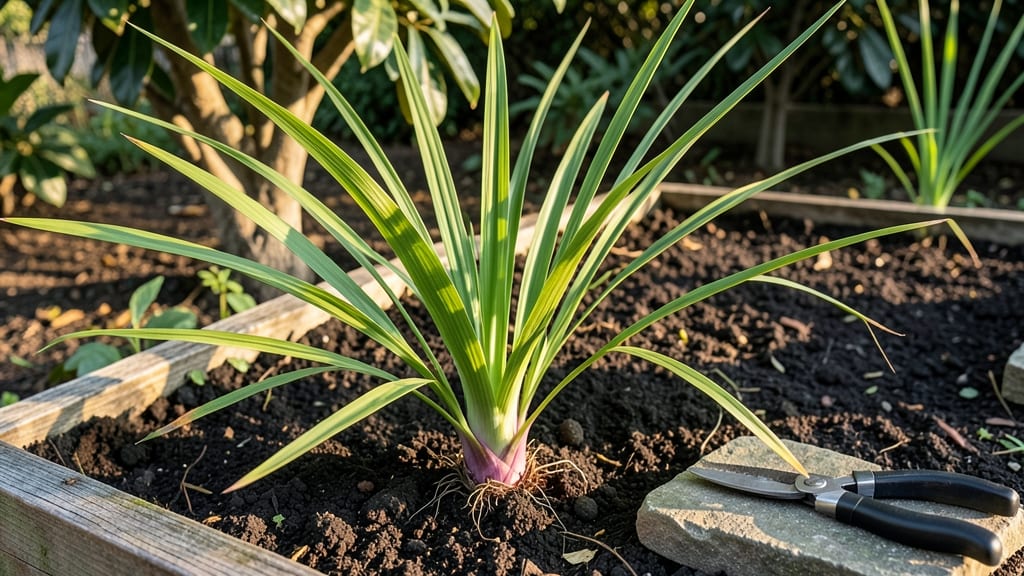
A fragrant privacy screen with tropical flair starts with lemon grass in your yard. 🌿 I planted mine along my backyard fence last spring, and the citrusy scent alone makes it worth the effort—plus, it grows tall enough to block nosy neighbors while keeping the air fresh.
The key is choosing the right varieties and spacing them properly for that lush, layered look.
Lemon grass thrives in warm climates but can handle mild winters if mulched well. Pair it with bamboo, hibiscus, or ornamental grasses for a cohesive tropical vibe, and add a few fragrant herbs like lemongrass itself or mint nearby to amplify the scent.
The maintenance is minimal—just occasional trimming to keep it tidy and watering when the soil dries out.
By summer, you’ll have a living screen that smells like a vacation and looks stunning. The upright stalks create natural movement in the breeze, while the citrus aroma keeps pests at bay. It’s a game-changer for small yards or urban spaces where privacy matters.
Works best in zones 9-11, but even cooler climates can grow it in containers. Here’s how to make it thrive in your space—whether you’re going full tropical or just adding a fragrant touch.
📚 In This Guide
- What you need
- Instructions
- Tips and common mistakes
- Wrapping up and next steps
What you need
- ● Lemon grass plants (Cymbopogon citratus): 10–20 plants (for a 3–6 ft tall screen, adjust based on spacing)
- ● Choose healthy, clump-forming varieties (avoid hybrid types like "Meyer" lemon grass)
- ● Well-draining soil: 50–100 sq ft of sandy loam or compost-amended soil (mix 1 part compost with 2 parts native soil)
- ○ Optional: Perlite or coarse sand (1–2 cups per planting hole for drainage)
- ● Organic mulch: 2–3 inches of pine bark nuggets or straw mulch (to retain moisture and suppress weeds)
- ● Fertilizer: Balanced 10-10-10 fertilizer (1–2 tbsp per plant at planting)
- ○ Slow-release granular fertilizer (optional, for long-term growth)
- ● Garden trowel or shovel
- ● Measuring tape (for spacing plants 12–18 inches apart)
- ● Garden gloves (to protect hands from sharp lemon grass edges)
- ● Watering can or hose with a gentle spray nozzle
- ○ Optional: Pruning shears (for shaping and maintenance)
- ● Sunlight: Full sun (6+ hours daily) for optimal growth and fragrance.
- ● Climate: Best suited for USDA Zones 9–11; in cooler zones, grow in containers for winter.
- ● Watering schedule: Keep soil consistently moist (not soggy) for the first 3 months.
- ● Pro tip: 💡 Plant near seating areas or walkways to enjoy the citrusy aroma while relaxing!
Step-by-step guide to planting a fragrant lemon grass privacy screen
Here's how to create a lush, aromatic barrier that doubles as a tropical statement piece.
🌱 Step 1: Select and Prepare Planting Spots
Choose a location with partial shade to full sun—lemon grass thrives in 6-8 hours of sunlight daily, but too much scorching heat can burn the leaves. Mark your 4-foot-wide planting line using stakes and string, spacing each plant 2 feet apart to allow room for growth. This spacing ensures air circulation and prevents fungal issues.
Dig holes twice as wide as the root ball but only as deep as the container it came in. Lemon grass has shallow roots, so burying too deep suffocates the plant. Loosen the sides of each hole with a fork to help roots spread quickly. Here's the thing—lemon grass loves well-draining soil, so if your yard has heavy clay, mix in 2 gallons of compost per hole to improve drainage.
🪴 Step 2: Plant and Water Deeply
Remove each lemon grass plant from its container and gently tease the roots apart if they're circling. Place the plant in the hole so the top of the root ball sits level with the soil surface—burying the crown too deep causes rot. Fill the hole with soil, pressing lightly around the base to eliminate air pockets. I always tap the soil gently with my fingers to settle it without compacting.
Water each plant deeply right after planting—use 1 gallon of water per plant to encourage roots to spread into the surrounding soil. You'll know you've watered enough when the soil feels moist 4 inches down. Avoid overhead watering at this stage; instead, water at the base to prevent fungal spores from splashing onto the leaves. Mulch each plant with 1 inch of shredded bark mulch to retain moisture and suppress weeds.
☀️ Step 3: Maintain for Optimal Growth and Fragrance
Water 2-3 times per week during the first 4 weeks to help roots establish, then taper to once weekly once established—lemon grass is surprisingly drought-tolerant once settled. Watch for wilting leaves as your clue to water; lemon grass wilts dramatically when thirsty but bounces back quickly after a drink. In hot climates, you might need to water every 4-5 days to keep the plants lush and fragrant.
Fertilize once in early spring with a balanced 10-10-10 fertilizer—use 1 tablespoon per plant to avoid overfeeding. Lemon grass doesn't need much, so skip heavy feeding. Prune back any brown or damaged leaves with clean shears to keep the screen looking tidy. Here's the moment that matters: harvest stems for culinary use by cutting 4-6 inches above the base—this encourages bushier growth and more fragrance.
✂️ Step 4: Prune and Shape for a Neat Screen
Trim the outer edges of your lemon grass screen once in late summer to maintain a clean, uniform look. Use sharp pruning shears to cut back any leggy stems that grow beyond the desired height—this keeps the screen dense and prevents gaps. I like to shape mine into a slightly rounded top for a natural, tropical feel. Avoid cutting more than one-third of the plant at a time, or you'll stress the roots.
Divide and transplant any overcrowded clumps every 2-3 years in early spring. Simply dig up the plant, separate the root sections, and replant the healthiest pieces. This keeps your screen vibrant and prevents the center from thinning out. Real talk: lemon grass spreads easily, so check for volunteer plants popping up nearby—either relocate them or remove them to keep your design tidy.
Tips & tricks for perfect lemon grass privacy screens
Transforming your yard into a fragrant tropical oasis starts with these essential tips to ensure your lemon grass privacy screen thrives from day one.
Sunlight Strategy: While lemon grass loves 6-8 hours of sunlight daily, the key is finding that sweet spot between enough light and protection from scorching heat. If your location gets intense afternoon sun, consider planting in partial shade during the hottest hours. I've found that morning sun with afternoon shade creates the perfect balance for vibrant growth and rich fragrance.
Soil Preparation Secret: The 2 gallons of compost per hole isn't just about drainage—it's about creating a nutrient-rich environment right from planting. If your soil is particularly heavy or compacted, mix in an additional 1 gallon of perlite or coarse sand to further improve drainage. Lemon grass roots are shallow, so loose, well-aerated soil makes all the difference in establishing strong root systems.
Watering Wisdom: That 1 gallon of water per plant right after planting is crucial, but don't stop there. For the first 4 weeks, water deeply 2-3 times per week—not just a light sprinkle. The soil should feel moist 4 inches down after watering. I've learned the hard way that inconsistent watering leads to weak stems and poor fragrance development. A drip irrigation system set to water at the base is my go-to for maintaining consistent moisture without fungal risks.
Pruning Precision: When shaping your screen in late summer, focus on cutting back only the outer edges and any leggy stems. Never trim more than one-third of the plant at once—this prevents shock and maintains the screen's density. I like to use a slightly rounded top shape for a natural look, but you can also create a more formal rectangular shape if that fits your yard's design better. Always use sharp pruning shears to make clean cuts that heal quickly.
Pro Tips for Lemon Grass Yard
- Transforming your yard into a fragrant tropical oasis starts with these essential tips to ensure your lemon grass privacy screen thrives from day one.
- Sunlight Strategy: While lemon grass loves 6-8 hours of sunlight daily, the key is finding that sweet spot between enough light and protection from scorching heat.
- Soil Preparation Secret: The 2 gallons of compost per hole isn't just about drainage—it's about creating a nutrient-rich environment right from planting.
Frequently asked questions
How fast does lemon grass grow in a yard?
Lemon grass grows surprisingly fast—expect 1-2 feet per year under ideal conditions (full sun, well-draining soil, and regular watering). For a quick privacy screen, plant clumps 12-18 inches apart and watch them fill in within 6-12 months. Patience pays off with its aromatic rewards!
Is lemon grass invasive? Should I be worried?
Lemon grass can spread via underground rhizomes, but it’s not as aggressive as bamboo or mint. To control it, plant in containers or trim back runners regularly. If your yard is small or shared with neighbors, opt for dwarf varieties (like ‘Mekong’ or ‘West Indian’) to minimize spread.
How much water does lemon grass need in a yard setting?
Lemon grass thrives with 1-1.5 inches of water per week, especially during its first year. Once established, it’s drought-tolerant but may lose fragrance if underwatered. Mulch around the base to retain moisture and reduce weeds—just avoid piling mulch directly against the stems to prevent rot.
Can I grow lemon grass in partial shade?
While lemon grass loves full sun (6+ hours daily), it can survive in partial shade (4+ hours of sun). In shadier spots, expect slower growth and milder fragrance. If your yard has limited sun, choose a sheltered, south-facing area or supplement with grow lights for optimal results.
Are there pests or diseases I should watch for?
Lemon grass is generally pest-resistant, but watch for:
- Spider mites (dry conditions): Spray with water or neem oil.
- Root rot (overwatering): Ensure well-draining soil and avoid soggy spots.
- Caterpillars (rare): Handpick or use Bt spray if needed.
Wrapping up and next steps
Transforming your yard into a fragrant, tropical oasis with lemon grass isn’t just about aesthetics—it’s a breath of fresh air (literally!). This hardy, low-maintenance plant offers privacy, natural beauty, and a zesty aroma that’ll make your outdoor space feel like a vacation getaway.
Whether you’re a seasoned gardener or a beginner, the key is to start small, stay consistent, and enjoy the process.
Ready to take the next step? Pick a sunny spot, grab your plants, and get growing! 🌱 Before you know it, your yard will be buzzing with tropical charm—and maybe even a few curious neighbors asking for tips. Happy planting!