
Plants
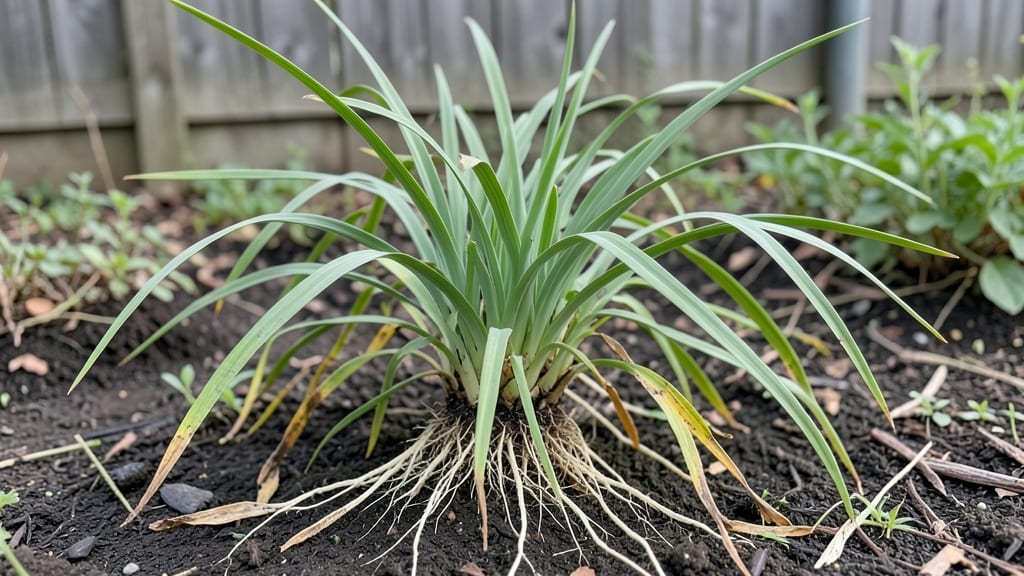
Growing lemon grass from its roots 🌿 is the fastest way to multiply your plants and guarantee a steady supply of fresh, fragrant stalks all year.
Struggling to keep your lemon grass thriving? The secret lies in its roots—propagating them correctly can give you a lush, year-round harvest with minimal effort. Discover how to multiply your plants and ensure fast, healthy growth.
Most gardeners think lemon grass needs special conditions, but the truth is simpler: it thrives in well-draining soil and bright light, whether you’re growing it in pots or the ground. With the right technique, you’ll have new shoots in just 4-6 weeks—no fancy equipment required.
In this guide, I’ll walk you through every step, from selecting the best root cuttings to planting them for maximum success. You’ll also learn how to avoid common pitfalls like root rot and slow growth, so your lemon grass stays vibrant and productive.
How to propagate lemon grass from roots for maximum growth success
Propagating lemon grass from roots is one of the easiest ways to multiply your plants while ensuring fast regrowth and year-round harvests. Unlike seeds, root division guarantees you'll get the same aromatic, disease-resistant variety you already love.
The key lies in selecting healthy roots, preparing the right soil mix, and providing ideal growing conditions—all of which I’ll walk you through in detail.
Lemon grass thrives when its fibrous root system is undisturbed, but strategic division encourages vigorous new shoots. Whether you're dealing with an overgrown clump or simply want to share cuttings with friends, this method works for both indoor pots and outdoor gardens.
The best time to propagate is during the spring or early summer, when temperatures are warm and growth is rapid.
Step-by-Step Guide to Propagating Lemon Grass from Roots
- Step 1: Choose Healthy Roots Select a mature lemon grass plant with a thick, fibrous root base. Look for roots with multiple shoots (3+ inches tall) and no signs of rot or pests. Gently remove the plant from its pot or dig it up if outdoors.
- Step 2: Divide the Root Clump Use a sterilized knife or pruners to carefully separate the root clump into 2-3 smaller sections, ensuring each has 3-5 shoots and a healthy root system. Avoid damaging the central rhizome—this is where new growth emerges.
- Step 3: Prepare the Soil Mix Lemon grass prefers well-draining, slightly acidic soil (pH 5.5-6.5). Mix 50% potting soil, 30% perlite, and 20% compost for optimal aeration. Avoid heavy clay, which can cause root rot.
- Step 4: Plant the Divisions Place each root division 1-2 inches deep in the soil, ensuring the shoots are upright and the roots are covered but not buried too deeply. Space divisions 6-8 inches apart if planting outdoors.
- Step 5: Water Thoroughly After planting, soak the soil until water drains from the bottom. Lemon grass needs consistent moisture but hates soggy conditions. Water every 3-4 days until new growth appears (usually 2-3 weeks).
- Step 6: Provide Ideal Conditions Place your propagated lemon grass in bright, indirect light (or full sun outdoors). Keep temperatures between 70-85°F and maintain high humidity (use a tray with pebbles and water if indoors).
- Step 7: Fertilize Lightly Wait 4-6 weeks before fertilizing with a balanced 10-10-10 formula. Apply half-strength every 4-6 weeks during the growing season. Over-fertilizing can burn the delicate new shoots.
- Step 8: Harvest New Shoots Once the divisions grow 12-18 inches tall (typically 3-4 months after propagation), you can begin harvesting. Cut outer leaves first, leaving the inner core to encourage continuous regrowth.
One of the biggest mistakes beginners make is overwatering or planting too deeply, which can suffocate the roots. Lemon grass roots need oxygen to thrive, so always use a well-aerated soil mix.
If you notice yellowing leaves, it’s often a sign of overwatering—adjust your watering schedule immediately.
For indoor propagation, place your new lemon grass plants near a south-facing window where they can get 4-6 hours of sunlight daily. If growing outdoors, choose a sheltered spot to protect them from strong winds, which can weaken the stems.
Mulching around the base helps retain moisture and regulate soil temperature during hot days.
You’ll know your propagation was successful when you see new shoots emerging within 3-4 weeks. These shoots will grow faster than seed-grown plants because they’re genetically identical to the parent. Once established, your propagated lemon grass can produce harvests every 6-8 weeks with proper care.
Pro tip: If you’re propagating in containers, use pots with drainage holes and at least 12 inches in diameter to accommodate the spreading root system. Lemon grass roots can grow aggressively, so plan for expansion if keeping them in pots long-term.
With this method, you can double or triple your lemon grass yield in just a few months—all while ensuring your plants stay healthy, aromatic, and productive for years to come. Happy propagating! 🌱🌿
Best soil, watering, and light conditions for lemon grass root propagation
Getting your lemon grass roots to thrive starts with the right conditions. The soil type, watering schedule, and sunlight exposure all play critical roles in encouraging strong root development and vigorous regrowth.
Skip these details, and you risk stunted growth or even root rot. Let’s break down the ideal setup for maximum success.
Lemon grass thrives in well-draining, slightly acidic soil with a pH between 5.5 and 7.0. A mix of sandy loam or compost-enriched garden soil works best.
Avoid heavy clay, which can suffocate roots and lead to waterlogging. For container growing, use a lightweight potting mix with perlite or vermiculite to improve aeration.
| Condition | Requirement | Notes |
|---|---|---|
| Soil Type | Well-draining, slightly acidic | pH 5.5-7.0; mix sand/compost |
| Watering | 1-1.5 inches per week | Morning watering; avoid soggy soil |
| Sunlight | 6+ hours direct sun | Partial shade in extreme heat |
| Temperature | 70-90°F (21-32°C) | Avoid frost; use containers for cold climates |
| Common Mistake | Overwatering | Leads to root rot; check soil moisture |
When it comes to watering lemon grass roots, consistency is key. Aim for 1 to 1.5 inches of water weekly, delivered in the morning to reduce evaporation and fungal risks. Let the top inch of soil dry out between waterings to prevent waterlogging, which can drown roots.
If growing in containers, ensure pots have drainage holes and avoid saucers that trap excess moisture.
Lemon grass loves bright, direct sunlight—at least 6 hours daily—but can tolerate partial shade in hot climates. Place your plants in a spot with morning sun and afternoon shade if temperatures exceed 90°F (32°C).
For indoor growing, position near a south-facing window or use grow lights for 12-14 hours daily.
One of the biggest mistakes gardeners make is overwatering or using poor soil. Lemon grass roots are sensitive to soggy conditions, so always test soil moisture with your finger before watering.
If your plants show yellowing leaves or mushy stems, it’s a sign of root rot—act fast by trimming damaged roots and repotting in fresh, dry soil.
With the right soil mix, watering routine, and sunlight exposure, your lemon grass roots will thrive, producing lush regrowth in as little as 4-6 weeks. Monitor conditions closely, especially in the first few weeks after propagation, to set your plants up for long-term success.