
Lawn
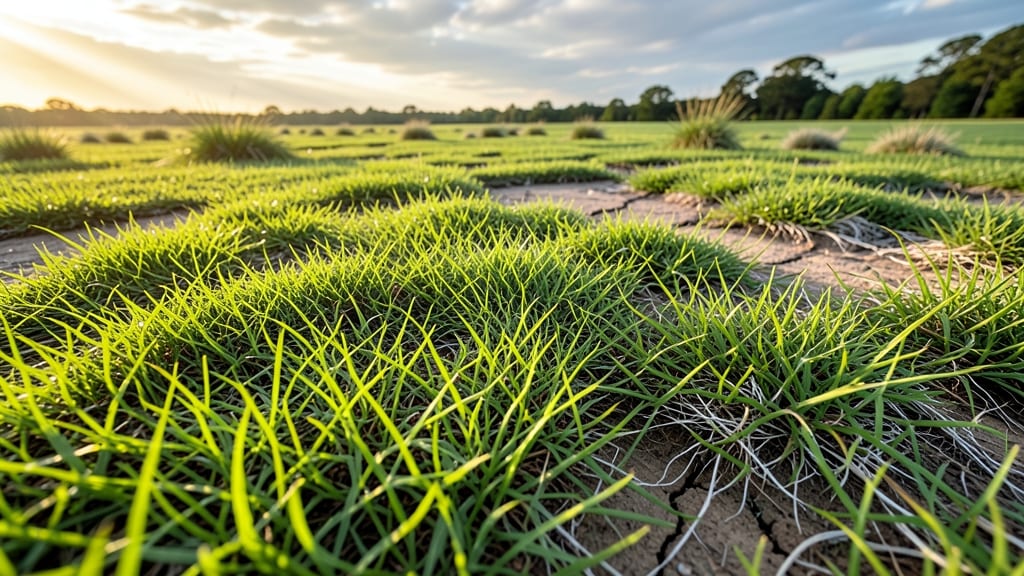
Virginia’s humid climate and diverse soil create perfect conditions for stubborn lawn weeds. These 10 persistent weeds wreak havoc on grassy areas—but organic solutions can reclaim your yard without harsh chemicals.
Crabgrass: Virginia’s Most Aggressive Summer Invader
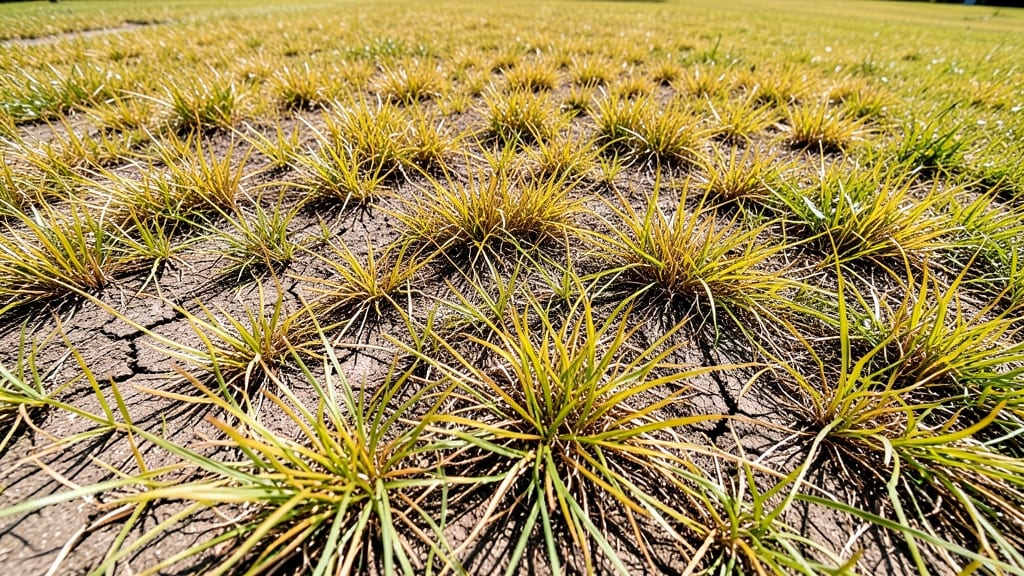
If your lawn looks like a patchwork of golden crabgrass blades by mid-summer, you’re not alone—this aggressive summer invader thrives in Virginia’s heat and compacted soil. Unlike other weeds, crabgrass spreads through thousands of seeds per plant, smothering grass roots and leaving bare spots that invite more weeds.
The key to stopping it is prevention, not reaction. Apply organic corn gluten meal in early spring (before seeds germinate) to block growth—unlike chemical pre-emergents, this natural option breaks down safely and even improves soil. For existing patches, hand-pulling or smothering with thick mulch works best in compacted areas where grass struggles to grow.
Virginia gardeners with high-traffic lawns or clay-heavy soil will see the biggest benefits from this approach. With consistent prevention, you can keep crabgrass from turning your yard into a summer takeover. 🌱
Dandelions: Perennial Yellow Blooms Resisting Mowing
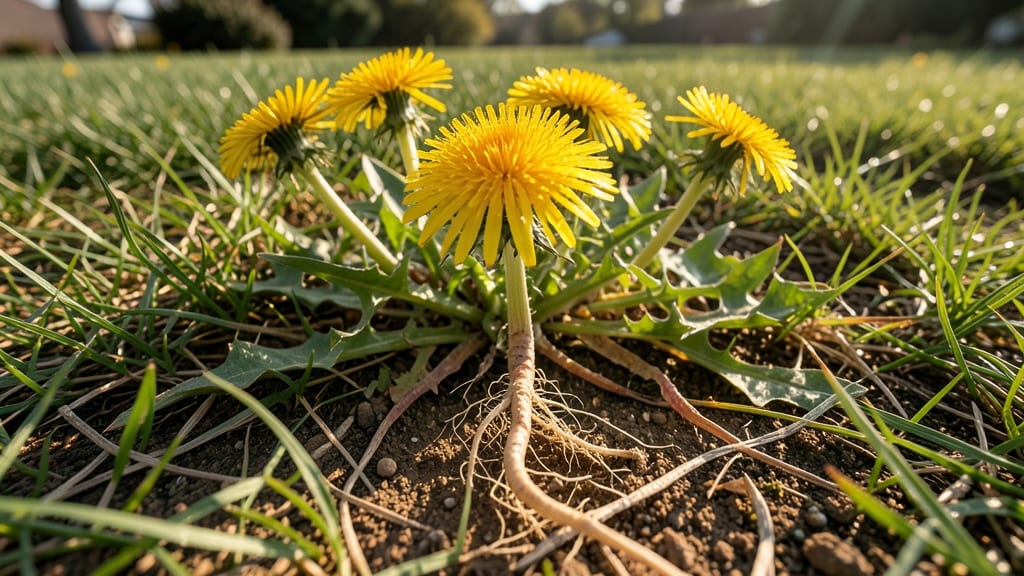
Those cheerful dandelions might seem harmless, but their deep taproots can outlast most removal attempts—especially in Virginia’s well-drained soils. Unlike shallow-rooted weeds, dandelions send roots up to 15 inches deep, making them nearly impossible to pull by hand or kill with surface treatments.
For organic control, use a vinegar-based spray (3% acetic acid) mixed with dish soap—apply directly to leaves during the bloom stage when they’re most vulnerable. Avoid spraying grass nearby, as vinegar will kill it too. Reapply every 5–7 days until the yellow blooms disappear, and consider spot-treating with a soapy water solution for stubborn patches.
This method works best for homeowners who prefer chemical-free lawns or have pets/kids playing in the yard. With persistence, you’ll reclaim your lawn without harming the environment. 🌻
Clover: Nitrogen-Fixing Weed with White Flower Clusters
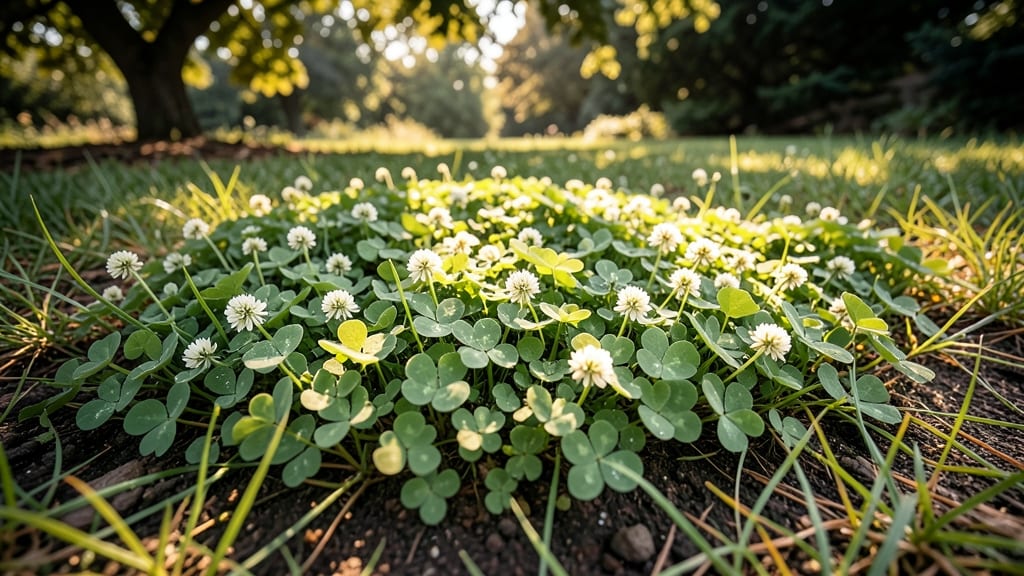
That patch of white clover in your shaded Virginia lawn might seem like a nuisance, but it’s actually a soil superhero. This nitrogen-fixing weed improves soil health by converting atmospheric nitrogen into a form plants can use—while its dense growth can outcompete struggling grass.
Instead of reaching for chemicals, try hand-pulling when the soil is moist (early morning works best) or smothering it with thick mulch like shredded leaves or wood chips. This method preserves the soil benefits while giving your grass a fighting chance in low-light areas. For stubborn patches, a cardboard smothering technique lets sunlight-starved clover die back naturally.
This approach is perfect for gardeners with shady lawns or those prioritizing organic methods—your soil (and future plants) will thank you! 🌿
Nutsedge: Purple Stems Mimicking Grass in Wet Areas
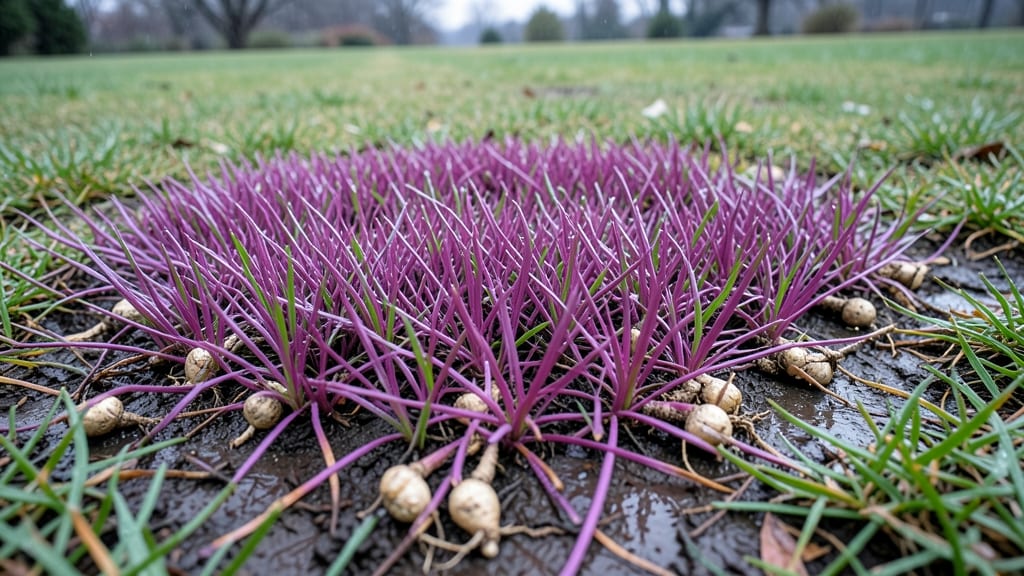
If your lawn looks like a purple-stemmed grassy carpet after heavy Virginia spring rains, you’re likely dealing with nutsedge—a weed that thrives in soggy soil and mimics your grass until it’s too late. Unlike other weeds, nutsedge spreads through underground tubers, making it resilient to drought and even some herbicides.
This weed’s secret weapon is its tolerance for waterlogged conditions, common in Virginia’s wet springs. For targeted removal, use organic copper-based herbicides, which specifically attack nutsedge without harming grass roots. Apply when the soil is dry but the weed is actively growing—typically in late spring or early summer—for best results. Hand-pulling works too, but be sure to dig deep to remove those stubborn tubers.
Homeowners with low-lying yards or poor drainage will find this solution especially helpful, as nutsedge often takes over these areas. With consistent treatment, you can restore your lawn’s health without resorting to harsh chemicals. 💚
Chickweed: Soft Green Mats in Shaded Lawns
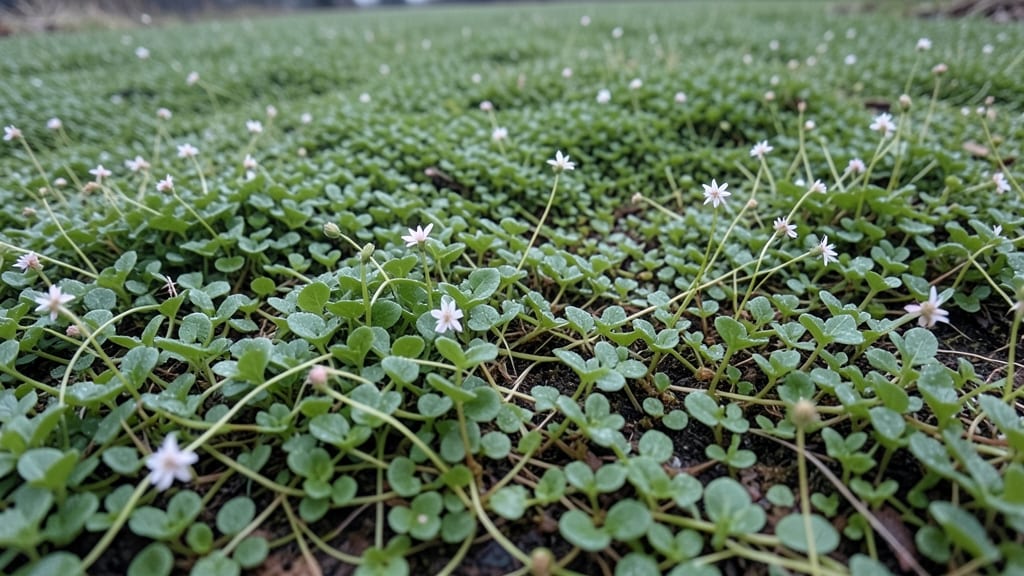
When your shaded lawn transforms into a lush chickweed mat during Virginia’s damp winters, you’re not dealing with a nuisance—you’re facing a weed that thrives in cool, moist conditions. Unlike summer invaders, this soft green ground cover spreads aggressively when temperatures drop, often before grass can recover from winter dormancy.
For effective control, try diluted saltwater sprays (1:10 ratio with water) applied directly to the foliage, or pull weeds by hand before they release seeds in early spring. Chickweed’s shallow roots make it surprisingly easy to remove when caught early—unlike its deep-rooted counterparts. This method works best for gardeners who prefer chemical-free solutions and want to protect their lawn’s health.
Perfect for shaded lawns where grass struggles, chickweed can actually signal poor growing conditions. Addressing soil moisture and improving drainage will help prevent its return next winter. 🌱
Plantain: Broad Leaves with Ribbed Texture
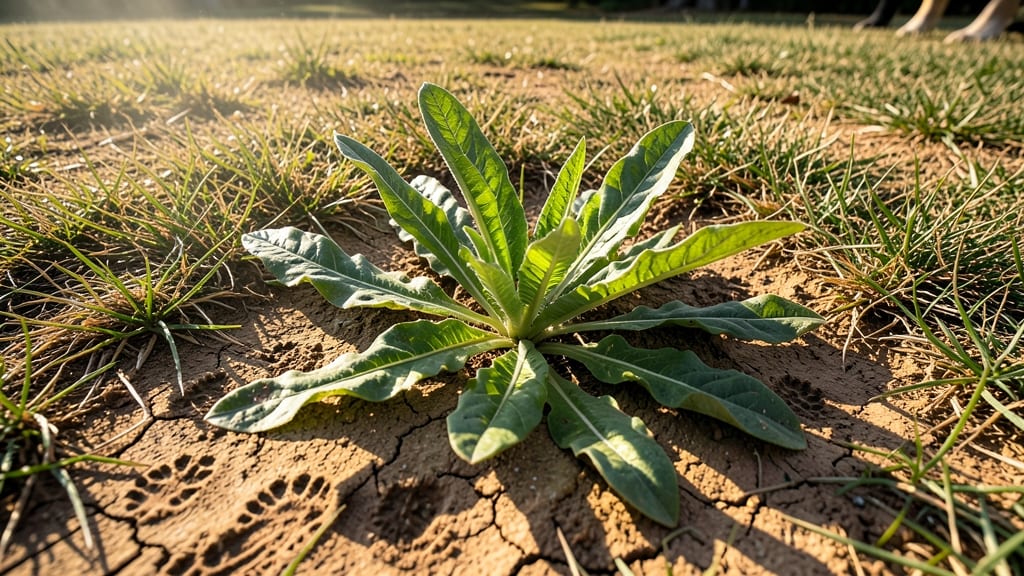
Tired of weeds that survive even after kids play soccer or dogs run through your yard? Broadleaf plantain thrives in high-traffic areas, making it one of Virginia’s toughest lawn weeds—but its ribbed texture also makes it uniquely identifiable.
This weed’s secret weapon is its drought tolerance and deep roots, which let it outcompete grass in dry spells. The good news? A boiling water treatment (pour directly on the leaves) kills it instantly by destroying the roots without chemicals. For large patches, spot-treat after mowing to expose fresh growth.
Perfect for homeowners with active yards, plantain removal is simplest when targeted early. Try this method in late summer when Virginia’s heat stresses weeds further. 🌱
Henbit: Purple-Stalked Weed Blooming in Spring
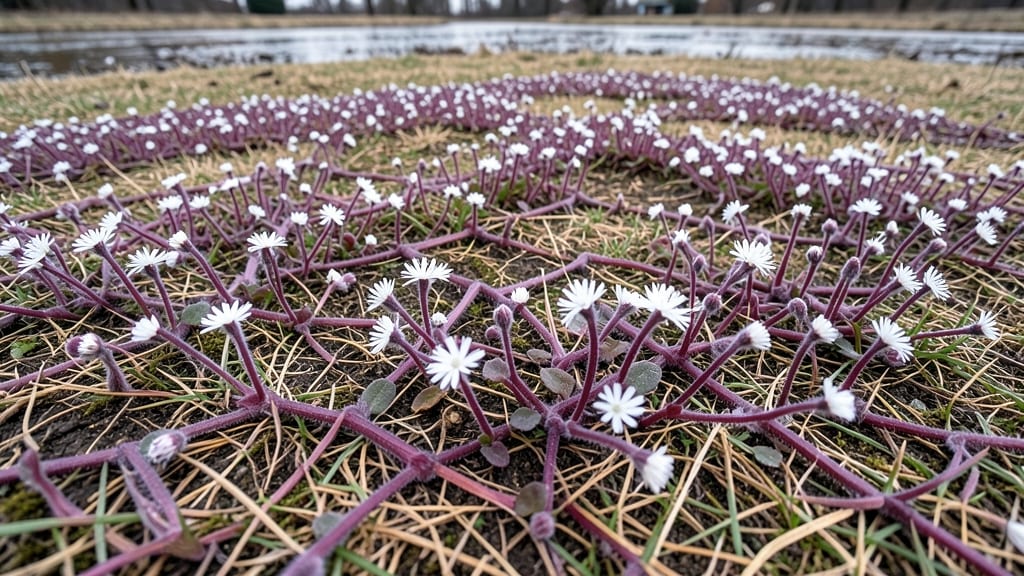
If your lawn looks like a purple-stalked carpet before the grass even greens up, you’re likely dealing with henbit—Virginia’s sneaky early spring weed. This fast-spreading annual pops up in late winter to early spring, often before you’ve even mowed once, and its square stems and white flowers can turn your yard into a floral mess.
To stop henbit before it starts, apply organic corn gluten meal as a pre-emergent in late winter (February-March in Virginia). The gluten breaks down into hydrolyzed proteins that smother seeds before they germinate, without harming grass or soil life. For existing patches, hand-pull when soil is moist—its shallow roots make it easier to remove than you’d think.
This weed is a lawn care wake-up call for Virginia gardeners: it signals that winter’s work isn’t done yet. Early action with corn gluten meal can save you hours of pulling later—and keep your grass from playing catch-up. 🌱
Mullein: Tall Yellow Flowers with Woolly Stems
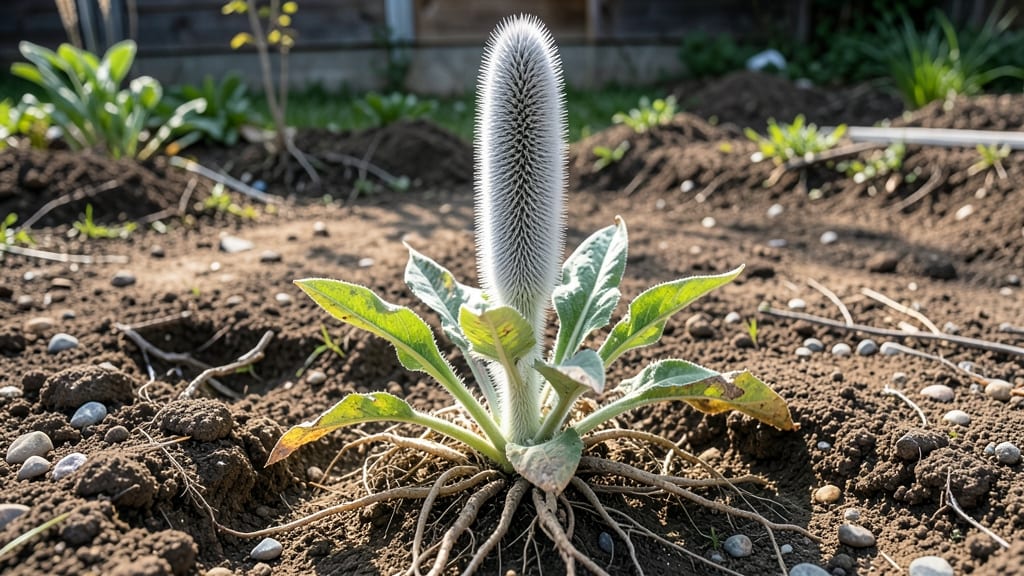
If you’ve ever pulled a mullein plant and felt its thick, fuzzy stems give way, you know why this biennial weed feels nearly indestructible. Its deep taproots (up to 6 feet!) anchor it firmly in disturbed soil—perfect for Virginia’s construction sites, garden beds, and even lawn edges.
Unlike annual weeds, mullein thrives for two years, making traditional hand-pulling ineffective. Instead, use organic solarization: Lay clear plastic sheets over the area in summer’s peak heat (July–August in Virginia) to "bake" the roots. Leave for 4–6 weeks—this method kills even the toughest roots without chemicals.
This approach is ideal for gardeners tired of persistent weeds in disturbed soil, like new garden beds or post-construction areas. Just be patient—solarization works best when combined with a thick layer of cardboard to block light first. 💪
Spurge: Milky Sap and Reddish Stems
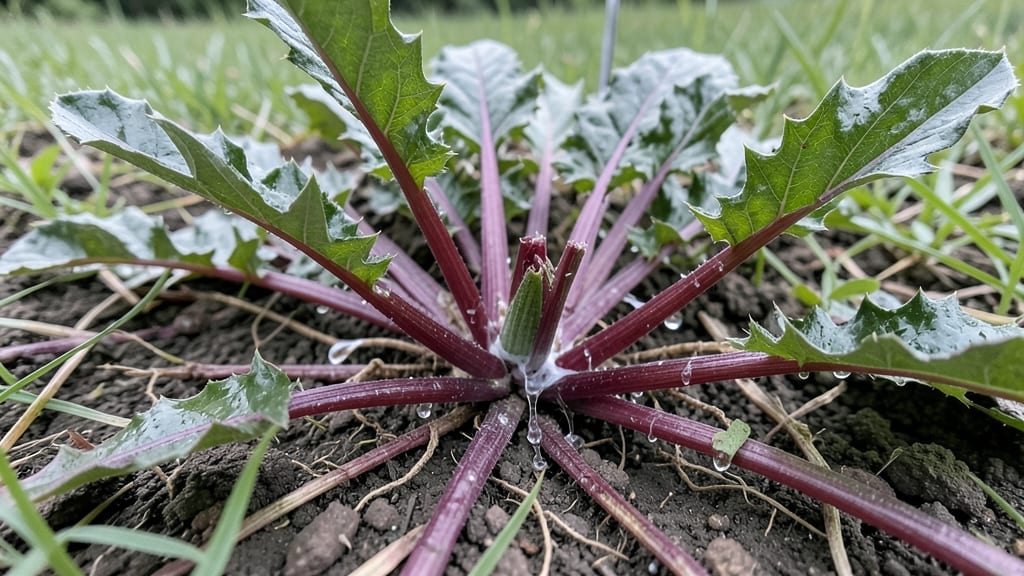
If you’ve ever spotted a weed with reddish stems and milky sap oozing when cut, you’re likely dealing with spurge—a persistent lawn invader that’s especially tricky because its sap can irritate skin. Unlike other weeds, spurge spreads aggressively in disturbed soil, making it a common nuisance in Virginia’s warm, humid climate.
To tackle it safely, skip chemical herbicides that can contaminate Virginia’s waterways. Instead, use organic iron-based herbicides, which break down harmlessly in the soil while effectively killing spurge on contact. Always wear gloves when pulling or trimming, as the sap can cause rashes. For large patches, spot-treat with a targeted spray to avoid damaging surrounding grass.
Virginia gardeners with kids or pets will appreciate this eco-friendly approach—it protects both your lawn and local ecosystems. 💚
Bermuda Grass: Invasive Turf-Like Weed in Warm Seasons

If your lawn looks like a Bermuda grass takeover, don’t panic—this aggressive invader thrives in Virginia’s warm seasons but can be outsmarted with a simple, natural trick. Unlike other weeds, Bermuda grass spreads quickly, choking out your desired turf and leaving bare patches that even thick grass can’t reclaim.
Lay down three to four thick layers of cardboard over the affected areas in late summer or early fall, ensuring no gaps remain. The cardboard blocks sunlight, starving the Bermuda grass roots while Virginia’s winter frosts finish the job naturally. Water the area lightly to help the cardboard settle, and you’ll see results within weeks as your lawn grass reclaims its space.
This method is perfect for gardeners who want to avoid chemicals and prefer a low-cost, eco-friendly solution. By spring, your lawn will be back to lush green—no Bermuda grass in sight! ✨