
Lawn
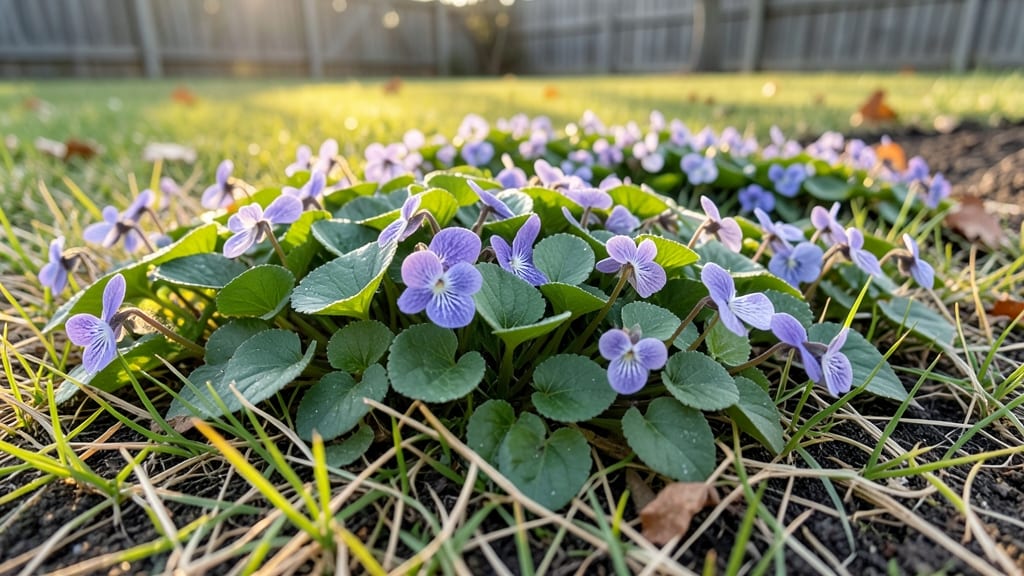
New Jersey lawns face unique weed challenges from crabgrass to poison ivy. This guide helps you identify the most common NJ weeds and eliminate them using proven organic methods that protect your grass and soil.
Crabgrass Identification and Prevention Tips
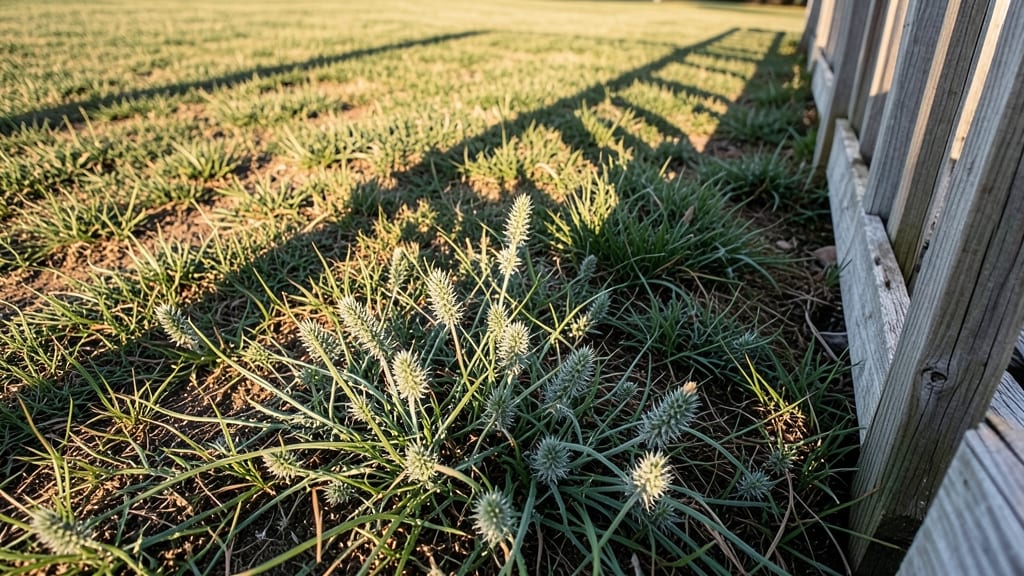
If your NJ lawn looks like it’s hosting an unwelcome summer party, crabgrass is likely the guest of honor—this coarse, finger-like weed spreads faster than a New Jersey summer heatwave and can smother your grass if left unchecked.
Spot crabgrass by its bushy, clumping growth and rough, finger-like seed heads that appear in late summer. Unlike grass, it grows in broad, flat clusters and thrives in thin or bare spots. The key to stopping it? Pre-emergent herbicides applied in early spring (before soil temps hit 55°F) create a barrier that blocks seeds from germinating. For organic control, try corn gluten meal—it’s a natural pre-emergent that also feeds your soil.
Homeowners with high-traffic lawns or sandy NJ soil (where crabgrass loves to take root) will see the biggest benefits from these early interventions. Act now, and you’ll keep your lawn lush—no crabgrass crashers allowed! 🌱
Poison Ivy Removal Without Chemicals
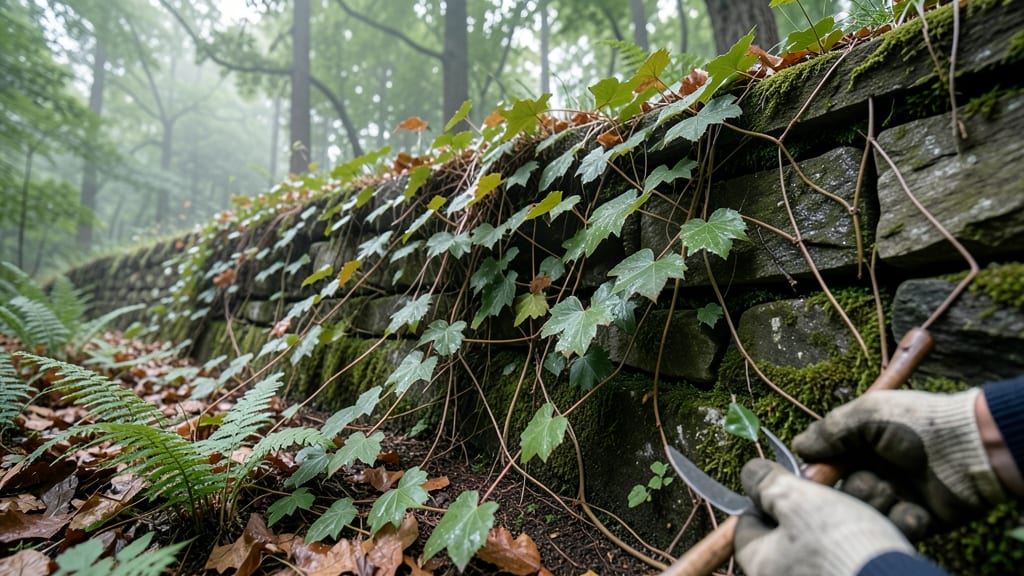
If you’ve spotted poison ivy creeping along your NJ property line or in shaded wooded areas, don’t panic—you can remove it safely without harsh chemicals. This invasive plant thrives in New Jersey’s humid climate, but organic methods can eliminate it while protecting your skin and soil.
Start by wearing long sleeves, gloves, and goggles to avoid contact with the oil (urushiol) that causes rashes. Cut the vines at the base with pruning shears in late spring or early summer when the plant is actively growing, then smother regrowth with thick layers of cardboard or newspaper topped with mulch. For stubborn patches, spray a vinegar-based solution (1 gallon vinegar + 1 oz dish soap) directly on the leaves, avoiding nearby plants.
This approach works best for homeowners with small infestations near walkways or garden edges. With patience and consistency, you’ll reclaim your space without risking chemical contamination. 🌿
Dandelion Organic Eradication Methods
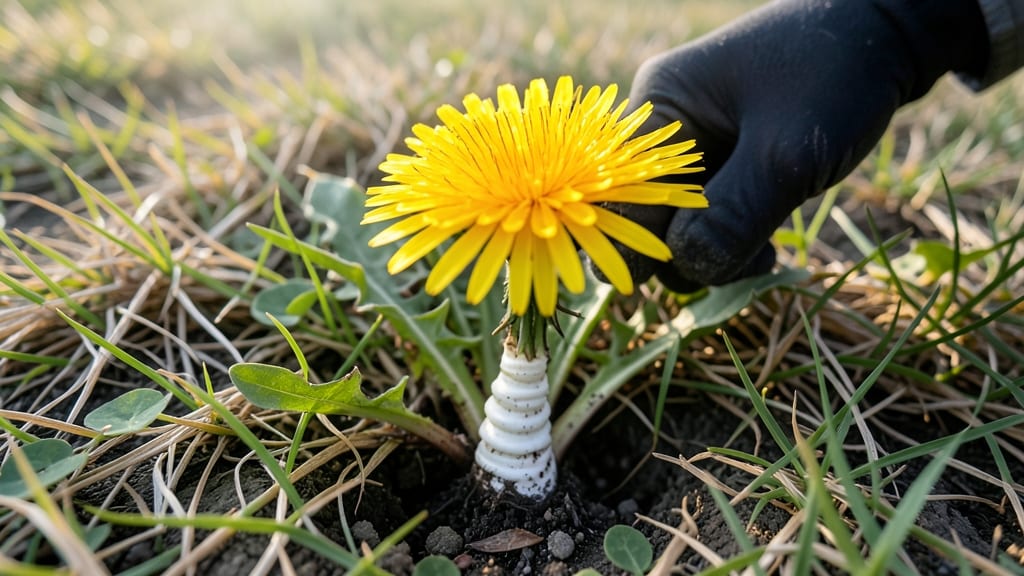
That bright yellow dandelion you’re pulling from your NJ lawn isn’t just stubborn—it’s a perennial powerhouse with a deep taproot that makes it return year after year. But here’s the good news: you can remove it and turn it into a soil-boosting opportunity for your lawn’s future.
Start by pulling dandelions when the soil is moist (after rain or watering) to expose the deep taproot. Use a dandelion weeder tool or a screwdriver to dig out the entire root—even a tiny piece left behind will regrow. For larger patches, apply corn gluten meal in early spring (it prevents seeds from sprouting) or spot-treat with vinegar + dish soap (1 gallon vinegar, 1 oz soap) to kill existing plants without harming grass.
Here’s why this matters: Dandelions break up compacted soil, and their deep roots create channels for air and water—improving your lawn’s long-term health. Plus, their flowers feed pollinators, so a few might even be welcome! Just keep them in check. 🌱
Clovers in NJ Lawns: Friend or Foe?
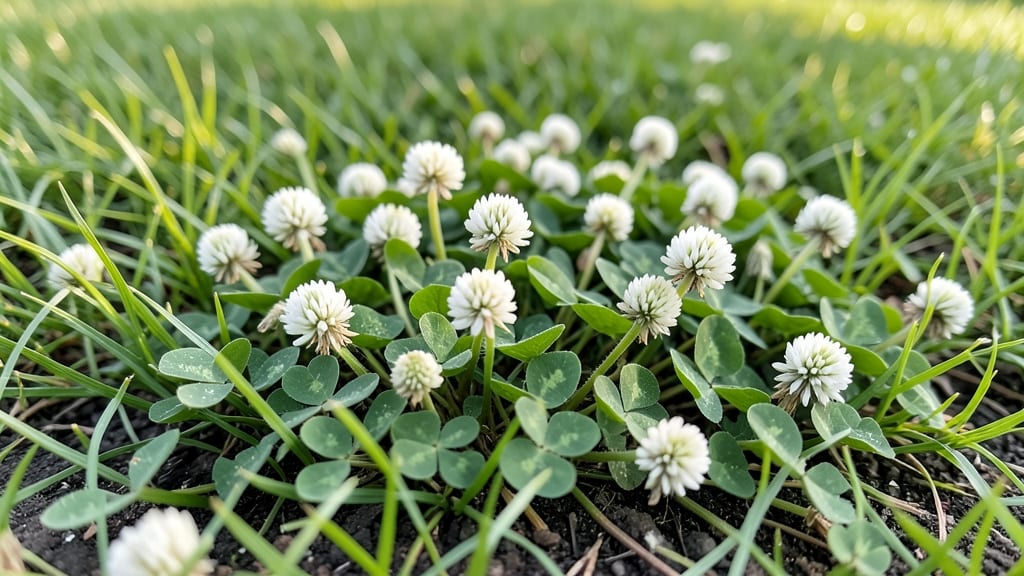
Those tiny white flowers popping up in your NJ lawn aren't always weeds—they might be white clover, a nitrogen-fixing powerhouse that boosts soil health. While some gardeners see them as unsightly, clover actually improves grass resilience and reduces fertilizer needs by up to 50%.
To manage clover, mow it slightly higher (3-4 inches) to shade out weeds while letting sunlight reach your grass. For a cleaner look, spot-treat with a corn gluten meal pre-emergent in early spring—it prevents clover seeds from sprouting without harming established plants. Over time, you'll find a balance where clover acts as a natural lawn fertilizer.
Perfect for eco-conscious gardeners, clover thrives in NJ's cool-season climates and drought-prone areas, making it a low-maintenance ally for sustainable lawns. 🌿
Nutsedge Elimination Using Vinegar Solutions
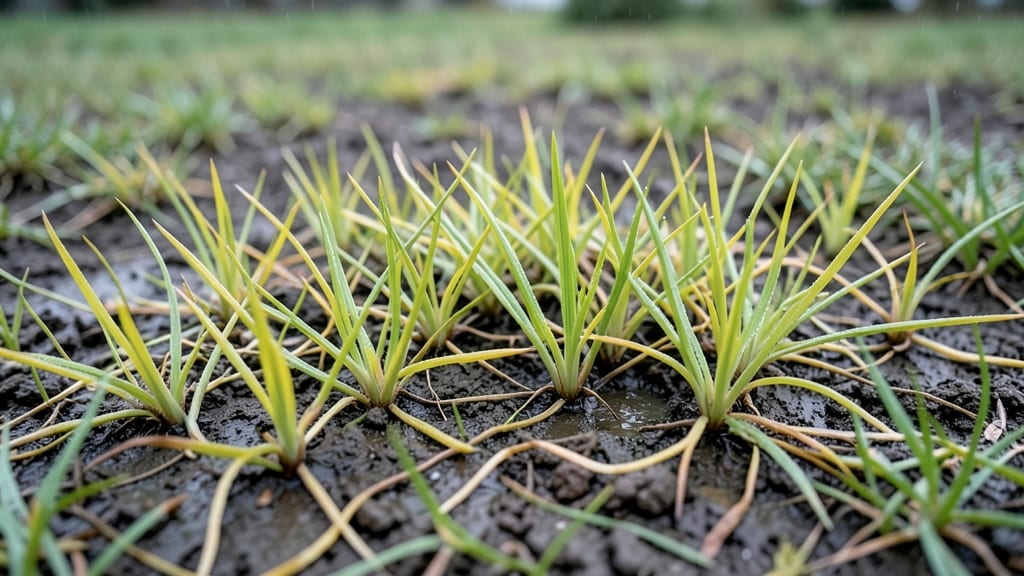
If your NJ lawn has stubborn, grass-like weeds with yellow-green triangular stems that seem to multiply overnight—you’re likely dealing with nutsedge, a wet-area nightmare. Unlike grass, nutsedge thrives in soggy soil and spreads via underground tubers, making it nearly impossible to eradicate with standard treatments.
For targeted organic control, use a vinegar solution (1 gallon white vinegar + 1 oz dish soap + 1 cup salt) applied directly to nutsedge in dry, sunny conditions. The acetic acid kills the weed without harming surrounding plants, but avoid spraying desirable grass. Reapply every 7–10 days until the tubers decompose—typically 3–4 weeks. For extra stubborn patches, smother with cardboard or thick mulch before applying vinegar.
This method is perfect for wet lawn areas, garden beds, and pathways where nutsedge dominates. With patience and consistency, you’ll reclaim your space without harsh chemicals. 💪
Chickweed Control in Cool NJ Seasons
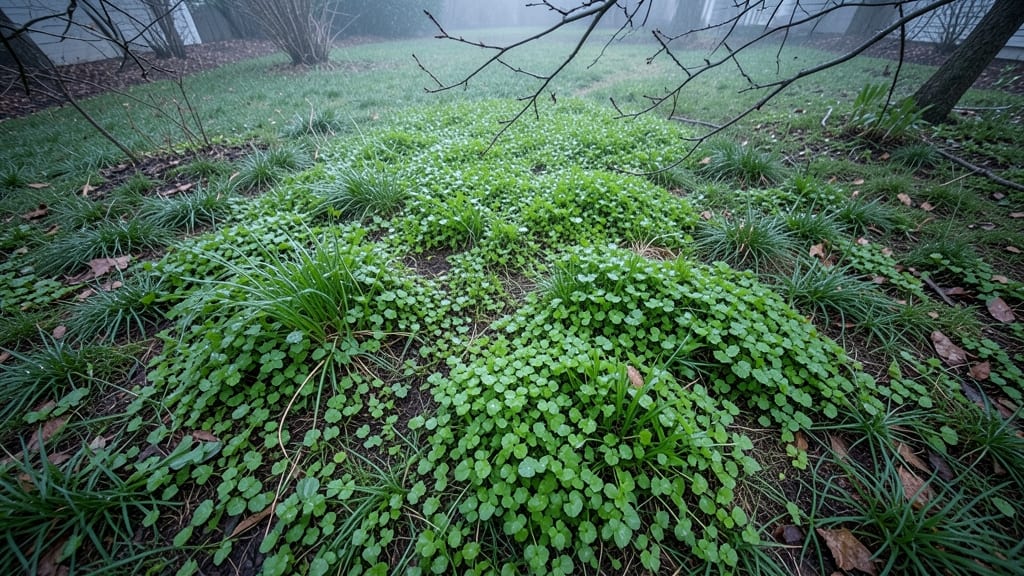
That soft, velvety green carpet creeping across your lawn in winter? It’s chickweed, a fast-spreading weed that thrives in NJ’s cool, damp seasons. Left unchecked, it smothers grass and steals nutrients, leaving your lawn weak before spring even arrives.
Start with a pre-emergent treatment in early fall to block seeds from germinating. For existing patches, hand-pull weeds when soil is moist (early morning is best) to avoid breaking stems. A vinegar solution (1 gallon vinegar + 1 oz dish soap) applied directly to leaves kills chickweed without harming grass—just avoid windy days. Regular mowing keeps it in check too.
This weed is especially problematic for homeowners with shady or thin lawns. A little prevention now saves hours of spring cleanup later. 🌱
Plantain Weed Removal Without Toxic Sprays
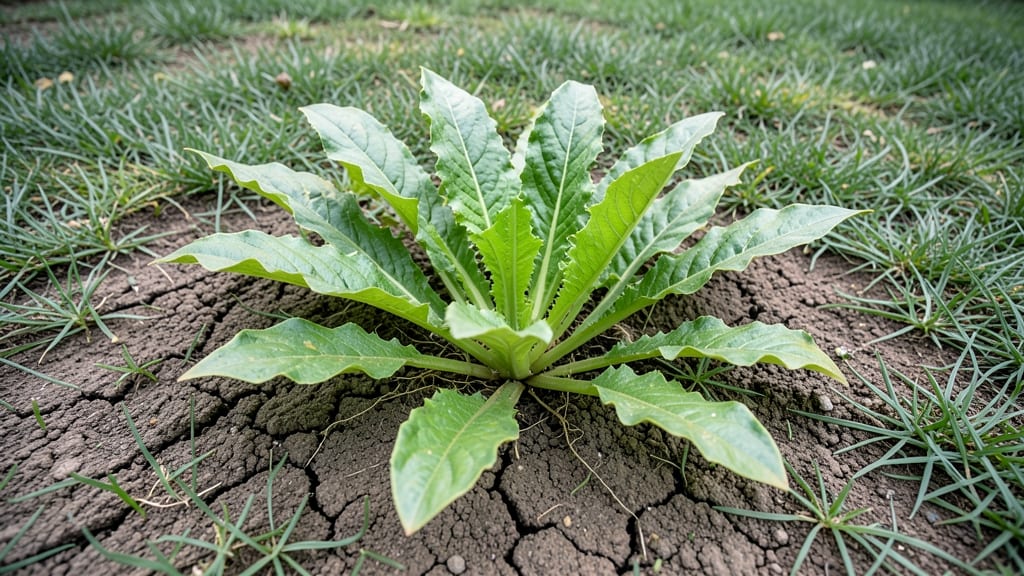
If your NJ lawn has stubborn, ribbed-leafed weeds thriving in compacted soil, you’re likely dealing with broadleaf plantain—a weed that signals poor soil aeration. Unlike other weeds, plantain doesn’t just compete with grass; it thrives because of it, growing in the hard, packed soil where grass struggles to root.
Start by aerating your lawn in late spring or early fall using a manual or mechanical core aerator to pull out soil plugs. This disrupts plantain’s shallow root system while allowing air, water, and nutrients to reach your grass. Follow up with a corn gluten meal pre-emergent (apply in early spring) to prevent new seeds from sprouting. For existing weeds, hand-pull them when the soil is moist—grab the entire root to avoid regrowth.
This two-step approach not only eliminates plantain but also creates the ideal conditions for your lawn to thrive. Perfect for homeowners dealing with high-traffic areas where soil compaction is worst. 🌱
Moss Management in Shady NJ Lawn Areas
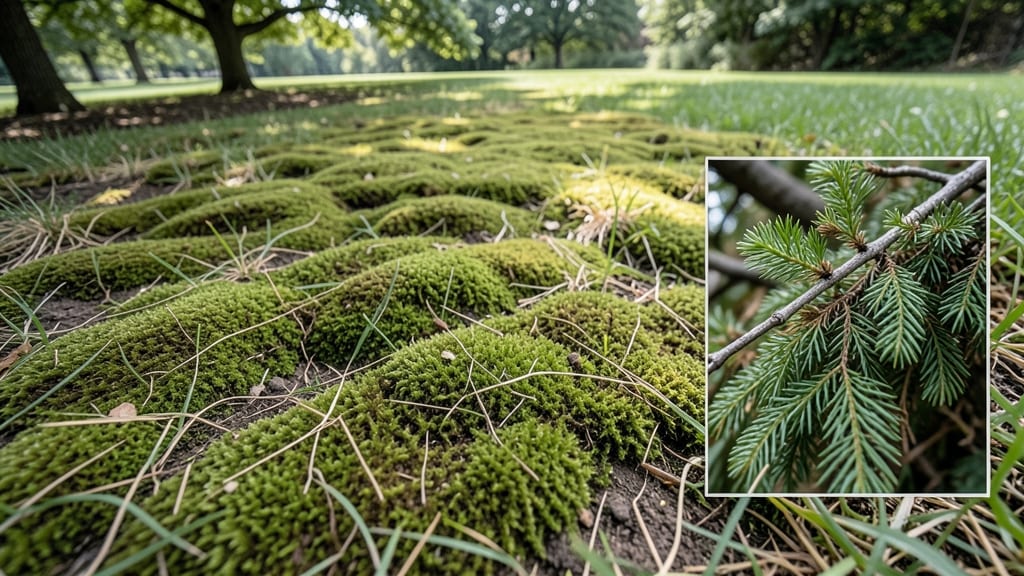
That spongy green carpet in your shady lawn isn't a weed—it's moss, and it’s actually an opportunity in disguise. While moss may seem harmless, it outcompetes grass for space and nutrients, leaving your lawn thin and patchy in those low-light areas common in NJ yards.
Instead of fighting moss with harsh chemicals, try converting it into a living mulch that protects soil moisture and suppresses weeds. Start by aerating the area to improve drainage, then overseed with shade-tolerant grass varieties like fine fescue or creeping red fescue. Top-dress with a thin layer of compost to encourage grass growth while blocking light to the moss below.
This method works best for homeowners with partially shaded lawns who want to avoid synthetic solutions. With patience, you’ll transform moss into a lush, green understory that thrives in NJ’s humid climate. 🌿
Creeping Charlie Prevention Techniques
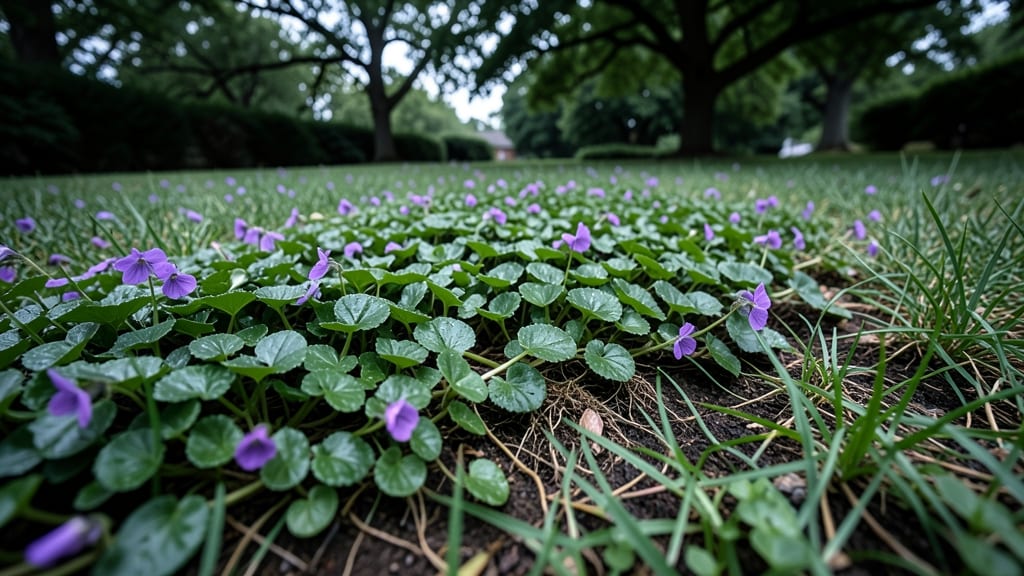
Tired of that purple-flowered ground cover creeping across your lawn like an unstoppable force? Creeping Charlie (also called ground ivy) is NJ’s most tenacious lawn weed, but you can outsmart it without harsh chemicals. This persistent weed thrives in shady, moist areas, spreading through both seeds and runners—making it a nightmare for homeowners.
Start by mowing higher (3-4 inches) to shade out new growth and improve grass density. For existing patches, hand-pull weeds before they flower (spring or fall) to prevent seeding. Apply a corn gluten meal pre-emergent in early spring to block new seedlings, or use a vinegar-based spot treatment (1 gallon vinegar + 1 oz dish soap) on stubborn areas. Aerate compacted soil in fall to help grass outcompete the weed.
This method works best for shady lawns where grass struggles to thrive, giving you a lush carpet without toxic residues. With consistent effort, you’ll reclaim your lawn—naturally! 🌿
Wild Violet Organic Removal Guide

Those delicate wild violets may look charming, but their aggressive spread can choke out your lawn's grass. The key to removing them organically lies in understanding their growth cycle and creating an environment where your grass can outcompete them.
Start by mowing your lawn regularly at 3-4 inches to weaken violets while promoting thick grass growth. In early spring, apply a layer of corn gluten meal (a natural pre-emergent) to prevent new violets from sprouting. For existing patches, hand-pull them after a rain when the soil is soft, ensuring you remove the entire root system. Overseed bare spots with tall fescue or perennial ryegrass to restore your lawn's density.
This method works best for homeowners with established lawns who want to avoid chemicals. By focusing on grass health and timing, you'll gradually reclaim your lawn without harming the ecosystem. 💪