
Lawn
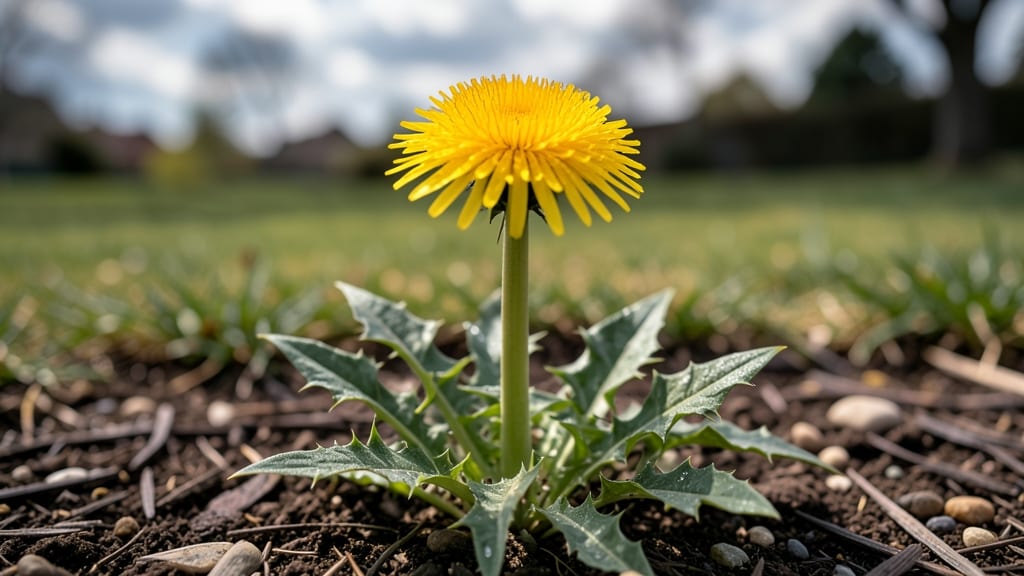
Seeing those bright yellow flowered lawn weeds pop up in your lawn is like nature's way of saying, "Hey, something's not right here." 🌱 I've spent years battling these stubborn weeds—dandelions, clover, and chickweed—only to realize the real battle is preventing them from coming back.
The good news? With the right approach, you can reclaim your lawn without resorting to harsh chemicals that harm the grass too.
Most people pull dandelions by the roots, but that's just a temporary fix—they grow back stronger. The secret is understanding why they thrive: compacted soil, thin grass, and poor sunlight give them an unfair advantage.
We'll tackle this head-on with methods that actually work, from manual removal to organic solutions that strengthen your grass instead of poisoning it.
By the time you're done, your lawn will look like a lush carpet again—no more yellow intruders stealing the show. You'll spot the early signs of regrowth and stop it before it starts, all while keeping your grass healthy and thriving. The key is consistency, not brute force.
This works for any lawn, whether you're dealing with a small patch or a full yard. Let's get started on that weed-free future—your grass will thank you.
Root Causes Of Lawn Weeds
Understanding why unsightly yellow-flowered weeds pop up in your lawn starts with recognizing the perfect storm of conditions they thrive in. These tenacious plants don’t just appear randomly—they exploit weaknesses in your grass’s ecosystem.
Let’s break down the science behind their dominance and how you can flip the script in your favor.
Weeds like dandelions and clover seize opportunities where grass struggles to compete. When your lawn is sparse, patchy, or overrun by bare soil, these yellow-flowered invaders take root with ease. Here’s why:
- Competition Gap: Grass needs a dense, healthy canopy to outcompete weeds for sunlight, water, and nutrients. Thin grass leaves bare spots—ideal landing zones for weed seeds. - Seed Germination Trigger: Disturbed soil (from foot traffic, pets, or erosion) exposes fresh seedbeds.
Dandelion seeds, which can lie dormant for years, germinate when they detect moisture and sunlight hitting bare earth. - Root Zone Advantage: Weeds develop deep taproots (like dandelions) or aggressive runners (like clover), while stressed grass roots shallow out, making it easier for weeds to dominate.
Actionable Fix:
- Test your soil to check pH and nutrient levels (ideal grass pH: 6.0–7.0).
- Overseed bare patches with a high-quality grass mix matched to your climate.
- Adjust mowing height—taller grass (3–4 inches) shades out weeds by blocking sunlight.
Watering your lawn incorrectly creates the perfect conditions for yellow-flowered weeds to flourish. Here’s how:
- Shallow, Frequent Watering: Light, surface-level watering encourages weed seeds to germinate while weakening grass roots. Weeds thrive in topsoil moisture, while grass needs deep hydration to grow strong. - Overwatering: Soggy soil suffocates grass roots but feeds weeds like dandelions, which love moist conditions.
Overwatering also washes away nutrients, leaving grass vulnerable. - Drought Stress: Alternately, underwatering weakens grass, creating gaps where weeds move in. Dandelions, in particular, store water in their taproots, making them drought-resistant.
Actionable Fix:
- Water deeply but infrequently—aim for 1–1.5 inches per week, including rainfall.
- Use a rain gauge or tuna can to measure soil moisture (dig 6 inches deep; soil should be damp but not soggy).
- Water early morning (4–8 AM) to reduce evaporation and fungal risks.
Lawn weeds often spike after extreme weather events or seasonal changes. Here’s the science:
- Late Winter/Spring Warmth: Dandelions and other broadleaf weeds germinate en masse when soil temps rise above 50°F (10°C).
This coincides with grass waking up from dormancy—if your lawn is slow to green up, weeds fill the gap. - Heatwaves/Drought: Grass goes dormant, while drought-tolerant weeds (like henbit or chickweed) thrive.
Their shallow roots access moisture grass can’t reach. - Frost Heave: Freeze-thaw cycles push weed seeds closer to the surface, where they germinate when conditions improve.
Actionable Fix:
- Pre-emergent herbicides (applied in early spring or fall) can block weed seeds before they sprout.
- Aerate compacted soil in fall to improve drainage and root growth.
- Choose drought-resistant grass types (e.g., tall fescue, buffalo grass) if your climate is dry.
Weeds often outcompete grass because they’re better adapted to poor soil conditions. Here’s how imbalances play a role:
- High Nitrogen, Low Potassium/Phosphorus: Grass needs a balanced NPK ratio (e.g., 30-10-10). Too much nitrogen (from fertilizers or organic matter like clippings) fueled weeds like crabgrass but weakens grass roots long-term. - Compacted or Poor-Draining Soil: Weeds like dandelions prefer loose, aerated soil because their taproots can penetrate easily.
Compacted soil strangles grass roots, creating weak spots. - Acidic or Alkaline Soil: Most lawn grasses prefer slightly acidic to neutral pH (6.0–7.0). Weeds like clover (alkaline-loving) or moss (acidic-loving) dominate when pH is off.
Actionable Fix:
- Test soil annually and amend with lime (to raise pH) or sulfur (to lower pH) as needed.
- Top-dress with compost to improve soil structure and nutrient retention.
- Use slow-release fertilizers to avoid nitrogen spikes that favor weeds.
Even well-meaning lawn care can accidentally invite weeds. Common culprits:
- Improper Mowing: Cutting grass too short (below 2 inches) stresses it, while leaving clippings too long can smother new growth.
Both create openings for weeds. - Over-Fertilizing: Excess fertilizer burns grass and washes into groundwater, boosting weed growth in neighboring areas. - Foot Traffic & Pet Damage: Compacted soil from walking, playing, or pets creates bare patches where weeds take hold. - DIY Herbicide Misuse: Spot-treating weeds with post-emergent herbicides can kill grass if not applied carefully, leaving gaps for more weeds.
Actionable Fix:
- Follow the 1/3 rule: Never remove more than one-third of the grass blade in a single mowing.
- Rake up clippings if they’re thick (but leave them if your mower has a mulching function).
- Walk on paths or lay down mulch mats to protect high-traffic areas.
Lawns aren’t natural ecosystems—they’re artificial monocultures. When you disrupt the balance, weeds move in:
- Lack of Biodiversity: Native grasses and clovers naturally suppress weeds by outcompeting them.
Monoculture lawns lack this resilience. - Pesticide Overuse: Harsh chemicals kill beneficial microbes and insects that help grass thrive, while weeds often resist treatments. - Invasive Species Spread: Birds, wind, and even your shoes can carry weed seeds from neighboring properties.
Actionable Fix:
- Plant native ground covers (like creeping thyme) in high-weed areas to crowd out invaders.
- Encourage pollinators (bees, butterflies) with wildflower borders—they help native plants thrive.
- Mow less frequently in late summer to let grass go dormant naturally, reducing weed germination.
Most yellow-flowered weeds (like dandelions) follow this 3-step dominance pattern:
- Germination: Seeds sprout in disturbed, moist soil (spring/fall).
- Growth: They outcompete grass for sunlight and nutrients.
- Reproduction: By late spring, they flower and spread seeds for next year.
Break the cycle by addressing one weak link (e.g., soil compaction, watering habits, or mowing height) at a time. 🎯
Banish Yellow Blooms for Good
Now that you understand why those stubborn yellow-flowered lawn weeds (like dandelions) keep popping up, it’s time to take action! The good news? You don’t need harsh chemicals or expensive tools to reclaim your lawn.
Below, we’ll break down practical, step-by-step solutions tailored to the root causes—whether it’s poor soil, overwatering, or thick thatch. Plus, we’ll share preventive tips to keep your grass lush and weed-free long-term.
Problem: Dandelions thrive in compacted, nutrient-poor soil where grass struggles to grow.
Solution:
- 🔥 Aerate Your Lawn (Best Time: Early Fall or Spring)
- Rent a core aerator (or use a manual spike aerator if DIY is your style).
- Focus on high-traffic areas where soil is most compacted.
- Pro Tip: Walk across the lawn in a grid pattern to ensure even aeration.
- 🍳 Top-Dress with Compost or Soil Amendment
- Spread a ¼-inch layer of compost or a soil conditioner (like peat moss or coconut coir) over the lawn.
- Lightly rake it into the aeration holes.
- Why? This adds organic matter, improves drainage, and gives grass the nutrients it needs to outcompete weeds.
- 🌡️ Test and Adjust Soil pH
- Use a soil test kit (available at garden centers) to check pH.
- If your soil is too acidic (below 6.0), apply lime (follow package instructions).
- If it’s too alkaline (above 7.5), add sulfur or peat moss.
- Goal: Aim for a pH of 6.0–7.0, ideal for most grasses.
Problem: Dandelions love moist soil—overwatering or poor drainage creates the perfect breeding ground.
Solution:
- ⏰ Adjust Your Watering Schedule
- Water deeply but infrequently (1–1.5 inches per week, including rain).
- Water early in the morning (4–8 AM) to reduce evaporation and fungal risks.
- Avoid: Frequent light watering, which keeps soil damp and encourages weeds.
- 🔧 Check for Irrigation Leaks or Overlapping Sprinklers
- Walk your lawn with a bucket to measure water output—if one spot gets double the water, adjust sprinklers.
- Consider smart sprinkler timers to automate efficient watering.
- 🌧️ Improve Drainage in Problem Areas
- If your lawn has low spots where water pools, level them with a rake and topsoil.
- For clay-heavy soil, mix in sand or perlite to improve drainage.
Problem: A thick layer of thatch (dead grass, roots, and debris) blocks water, air, and nutrients from reaching the soil—giving weeds an advantage.
Solution:
- 👨🍳 Dethatch Your Lawn (If Needed)
- Use a manual thatch rake or a power dethatcher (rent if you don’t own one).
- When to dethatch? Only if the thatch layer is ½-inch or thicker.
- Avoid: Dethatching if your lawn has less than ½-inch thatch—it’s actually protective!
- 🔪 Mow High and Sharply
- Set your mower to 3–4 inches (taller grass shades out weeds).
- Never remove more than ⅓ of the grass blade in one mowing—this stresses the grass.
- Sharp mower blades = cleaner cuts = less disease and weed invasion.
- 🌱 Overseed Bare Spots
- After aerating and dethatching, sprinkle grass seed over thin areas.
- Choose a fast-growing seed mix (like ryegrass for quick coverage).
- Keep the soil moist (not soggy) until germination (about 2–3 weeks).
Once you’ve treated the lawn, consistent maintenance is key to keeping dandelions at bay:
| Prevention Tip | How to Do It |
|---|---|
| 🌿 Mow Regularly | Keep grass at 3–4 inches—taller grass blocks sunlight for weeds. |
| 💡 Fertilize Properly | Use a slow-release, weed-and-feed in early spring and fall (avoid summer). |
| 🎯 Stay Vigilant | Pull weeds early (before they seed) or spot-treat with vinegar (for small areas). |
| 🌡️ Mulch Garden Beds | Apply 3–4 inches of mulch around flower beds to prevent weed seeds from sprouting. |
| 🔄 Rotate Lawn Care | Alternate between organic and synthetic treatments to avoid resistance. |
Final Thought: 💡 The best time to treat yellow-flowered weeds is before they seed (late spring to early summer). A little prevention now saves hours of pulling later!
Now grab your tools, roll up your sleeves, and watch your lawn transform from a dandelion jungle into a thick, green carpet! 🌱💚
Frequently asked questions
Why do yellow-flowered weeds like dandelions keep coming back even after I pull them?
Dandelions have deep taproots that store nutrients, and their seeds can lie dormant in the soil for years. When you pull them without removing the entire root, they regrow. Plus, one plant can produce 10,000+ seeds that spread easily! Focus on improving soil health and mowing taller to shade out new growth.
Is vinegar safe to use on yellow-flowered weeds without harming my grass?
Plain white vinegar (20-30% acetic acid) can kill weeds, but it's non-selective—it'll damage grass too. For spot treatment, use a 1:1 vinegar-water mix in late afternoon on sunny days (when grass is dormant). Test a small area first, and avoid using it if your lawn has thin spots or drought stress.
How can I tell if my yellow-flowered weed is a dandelion or something more invasive?
Dandelions have jagged leaves, bright yellow flowers that close at night, and produce white "puffball" seed heads. More invasive options include henbit (smaller flowers, square stems) or chickweed (tiny white flowers, sprawling growth). For tough cases, snap a photo and check your local extension office's weed ID guide.
Will pre-emergent herbicides stop yellow-flowered weeds from growing?
Pre-emergent herbicides can prevent weed seeds from sprouting, but they won't kill existing weeds. Apply in early spring (before weeds emerge) and again in fall for best results. Remember, they also prevent grass seed from germinating, so avoid using them before overseeding. Always follow label instructions carefully.
Can I use corn gluten meal to prevent yellow-flowered weeds naturally?
Yes! Corn gluten meal is a natural, organic pre-emergent that blocks weed seeds from germinating while providing slow-release nitrogen. Apply 20 pounds per 1,000 sq ft in early spring (before weeds appear) and again in fall. It works best on newly disturbed soil and won't harm established grass.