
Pruning
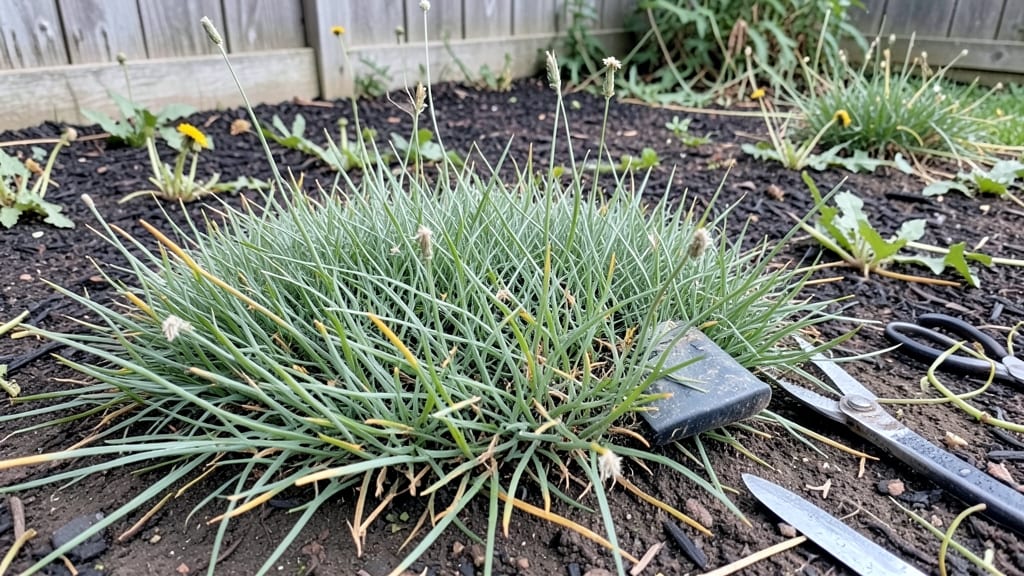
Trimming grass plants isn't just about making your lawn look sharp—it's the secret to keeping it healthy and thriving all season.
I spent years watching my grass grow patchy and uneven until I learned the right technique, and now my lawn has clean lines and a lush, uniform look that neighbors admire. The key is timing, height, and the right tools—no guesswork involved.
You'll need a sharp lawnmower blade, a string trimmer for edges, and a pair of hedge shears for those tricky spots near sidewalks or flower beds.
Set your mower to the highest recommended height for your grass type—usually around 3 to 4 inches—and never cut more than one-third of the blade length at once. This prevents scalping and keeps roots strong for better drought resistance.
Start by mowing in straight lines, then go over the lawn again at a 90-degree angle to catch any missed spots and create that polished look. For edges, use your string trimmer with a guard to protect nearby plants, and trim in thin strips for precision.
The goal is clean lines that frame your lawn beautifully without stressing the grass.
Adjust your mowing frequency based on growth—weekly during peak season, but less often in cooler months. And here's a pro tip: always mow when the grass is dry to avoid clumping and uneven cuts. With these steps, your lawn will stay sharp, healthy, and ready for any summer gathering.
📚 In This Guide
- What you need
- Instructions
- Tips and common mistakes
- Wrapping up and next steps
What you need
- ● Sharp pruning shears or hedge clippers: Bypass pruners (for clean cuts) – 1 pair
- ● Hedge shears (for larger areas) – 1 pair
- ● Pro tip: 💡 Choose tools with ergonomic grips to avoid hand fatigue!
- ● Hand pruners or small scissors: For delicate trimming – 1 pair
- ● Gloves: Heavy-duty gardening gloves (to protect hands from thorns) – 1 pair
- ○ Pruning saw (optional): For thicker stems – 1
- ● Knee pad or small stool: For comfort during extended trimming – 1
- ● Spray bottle with water: Keeps blades cool and prevents overheating
- ● Disinfectant (rubbing alcohol or bleach solution): Clean tools between cuts to prevent disease spread
- ● Measuring tape or ruler: Ensures consistent height and symmetry
- ● String or chalk line: Marks straight edges for precision trimming
- ● Trash bag or bucket: For clippings and debris – 1-2
Step-by-step instructions for trimming grass plants
Here's how to achieve that crisp, polished look without damaging your plants.
Gather the Right Tools and Prepare Your Workspace
Start with a sharp pair of bypass pruners or clean garden shears. Dull blades tear plant tissue instead of making clean cuts, which can invite disease. I like to wipe the blades with rubbing alcohol before starting—it keeps them sterile and prevents spreading any potential pathogens between plants.
Lay out a tarp or old sheet beneath your work area to catch clippings. This makes cleanup easier and keeps your workspace tidy. If you're working with multiple grass varieties, label each one with a small plant marker so you don't mix them up during trimming.
Trim at the Right Time and Angle
Trim grass plants in the early morning when temperatures are cooler and dew is still present. This reduces stress on the plants and gives them time to recover before the heat of the day. Cut just above a node or leaf joint—this is where new growth will emerge, and it encourages fuller, bushier plants.
The key is a 45-degree angle on the cut. This prevents water from pooling on the cut surface, which can lead to rot. Hold the plant firmly with one hand and make the cut with a single, smooth motion. Avoid sawing back and forth—it crushes the stems and leaves jagged edges.
Shape Gradually for Clean, Defined Lines
Step back and assess the plant's overall shape before making any cuts. You want to remove only the necessary growth to achieve your desired look. Start by trimming the outer edges first, then work your way inward. This helps you see how the plant will look as you go.
For sharp, defined lines, use a ruler or straightedge as a guide. Hold it against the plant and trim just beyond the edge. If you're creating a formal hedge, trim the top first, then the sides, and finally the bottom. This layered approach ensures even growth and prevents uneven gaps.
Clean Up and Maintain Your Tools
After trimming, rake up and dispose of clippings immediately. Leaving them on the ground can smother new growth or attract pests. If you're composting, chop the clippings into smaller pieces first—they'll break down faster and add less bulk to your pile.
Wipe down your tools with a damp cloth to remove sap and debris. Store them in a dry place, preferably with a drop of mineral oil on the blades to keep them sharp and rust-free. A quick sharpening with a file every few uses will extend the life of your tools and make future trims easier.
Tips & tricks for perfectly trimmed grass plants
Avoid these common mistakes and elevate your gardening game with these practical tips for flawless grass plant trimming.
Tool Prep is Everything: Never skip sterilizing your tools before use. I learned this the hard way after noticing brown spots on my plants from contaminated blades. Wipe down pruners with rubbing alcohol between each plant, especially when working with multiple varieties. This simple step prevents disease spread and keeps your plants healthy. Sharp tools also make a difference—dull blades crush stems instead of cutting cleanly, leading to uneven growth.
Timing Matters More Than You Think: The early morning recommendation isn't just about cooler temperatures—it's about dew. That morning moisture helps reduce stress on the plants during trimming. I've noticed my plants recover faster when trimmed this way, especially in hot climates. If you must trim later, do it in the late afternoon when temperatures start to drop. Avoid midday heat whenever possible.
Angle Secrets for Healthier Plants: That 45-degree angle isn't just for looks—it's crucial for plant health. When you cut at this angle, water runs off the cut surface instead of pooling, which prevents rot. I've seen plants develop fungal issues after being cut straight across, where water collects on the flat surface. Practice makes perfect here—hold your tool at a slight diagonal and make clean, confident cuts.
Shape Strategically: Working from the outside in gives you better control over the final shape. I always start with the outer edges because it's easier to see how the plant will look as I progress inward. For formal hedges, remember the layered approach: top, then sides, then bottom. This prevents uneven gaps and creates that professional, manicured look. If you're unsure, take a step back every few cuts to assess your progress.
Pro Tips for Trim Grass Plants
- Avoid these common mistakes and elevate your gardening game with these practical tips for flawless grass plant trimming.
- Tool Prep is Everything: Never skip sterilizing your tools before use.
- Timing Matters More Than You Think: The early morning recommendation isn't just about cooler temperatures—it's about dew.
Frequently asked questions
Got questions about trimming grass plants like a pro?
Here are the answers to the most common queries—whether you're a beginner or just need a quick refresher.
How often should I trim grass plants for a manicured look?
For most ornamental grasses, trim once or twice a year—typically in late winter or early spring (before new growth) and again in fall (after flowering). Over-trimming weakens the plant, while under-trimming can make it look wild. Adjust based on growth speed: faster growers may need light trims mid-season.
Can I trim grass plants in summer? Why is it discouraged?
Trimming in peak summer heat stresses plants, especially drought-sensitive varieties. The shock can stunt growth or invite pests. If you must trim, do it early morning or late evening and water thoroughly afterward. Wait until cooler months for best results.
What’s the difference between trimming and pruning grass plants?
Trimming
= Cutting back overgrown foliage (e.g., ornamental grasses) for shape or height control. Pruning = Removing dead, diseased, or spent blooms (e.g., cutting back brown stalks in spring). Both use sharp shears, but timing and purpose differ—trim for aesthetics, prune for health.
Should I trim grass plants all the way to the ground?
No!
Cutting to the base risks damaging the crown (the plant’s growth center) and invites rot. Leave 2–3 inches of stubble for protection. For clumping grasses (like fountain grass), trim one-third of the plant at a time if heavy pruning is needed. Always use sharp tools to avoid jagged cuts.
What if my grass plant looks ragged after trimming?
Ragged edges happen if you use dull shears or cut at uneven angles. Fix it by:
- Re-trimming with sharp, clean tools at a 45-degree angle for a polished look.
- Using hand pruners for small adjustments or a string trimmer for bulk cleanup.
- Lightly shaping with a hedge trimmer (for dense grasses like mondo grass).
For stubborn spots, thin out dense areas by removing inner stems to improve airflow.
Wrapping up and next steps
Trimming grass plants doesn’t have to be a daunting task—with the right tools, techniques, and a little patience, you can achieve sharp edges and clean lines that elevate your garden’s curb appeal.
Remember to go slow, stay sharp, and work in stages to avoid over-trimming or damaging your plants. Whether you’re shaping ornamental grasses or tidying up lawn edges, consistency is key!
Now that you’re armed with expert tips, grab your shears and get started! 🌿 For extra flair, experiment with different patterns or pair your trimmed grasses with complementary plants. Happy gardening!