
Pruning
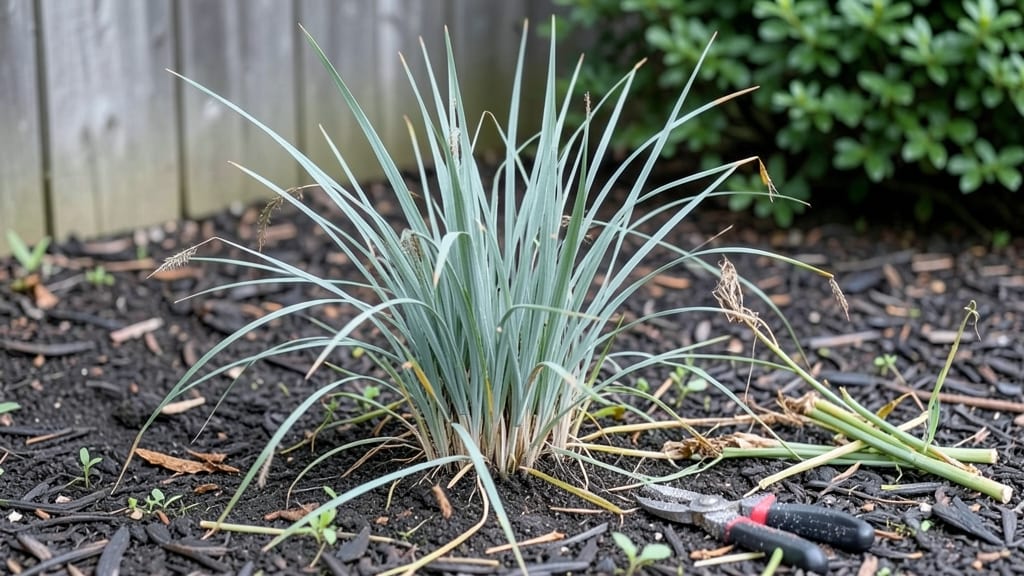
Trimming back ornamental grasses keeps them looking sharp while saving you time. ✨ I learned the hard way that skipping this step leads to messy clumps and weaker growth—now I treat it like a quick reset button for my garden.
The right timing and technique make all the difference, whether you're dealing with fountain grasses or feather reeds.
You only need a few basic tools: sharp pruners for clean cuts, gloves to protect your hands, and a clear morning to work. Most grasses benefit from a late-winter trim before new growth starts, but some varieties like little bluestem hold their winter interest and should wait until spring.
A 30-minute session can transform a tired-looking patch into something striking.
When you cut, aim for a fresh, even look without scalping the base. For most grasses, trimming back by one-third encourages dense regrowth, while leaving some height adds movement to your garden. The results? A neat, structured plant that stays healthy and looks intentional all season long.
This method works for any ornamental grass, from tall fountain types to low-growing varieties. Once you master the timing, you'll wonder why you ever hesitated—it’s the easiest way to keep your garden looking polished with minimal effort.
📚 In This Guide
- What you need
- Instructions
- Tips and common mistakes
- Wrapping up and next steps
What you need
- ● Pruning shears or hedge clippers: Choose bypass-style shears (sharp, clean cuts) for grasses under 1 inch thick. For thicker clumps (1+ inches), opt for heavy-duty pruners or a horticultural saw (for stubborn stalks). Quantity: 1 pair.
- ● Garden gloves: Wear cut-resistant gloves (e.g., leather or synthetic mesh) to protect hands from sharp edges and sap. Quantity: 1 pair.
- ● Loppers: For grasses with thick stems (e.g., Miscanthus or Pennisetum), use long-handled loppers (18–24 inches) for leverage. Quantity: 1 pair.
- ○ Pruning saw: A bow saw or pruning saw for deadheading or cutting through woody bases. Quantity: 1 (optional but helpful for mature clumps).
- ● Garden rake or stiff brush: To clear debris after trimming. Quantity: 1.
- ● Wheelbarrow or tarp: For collecting clippings and dead foliage. Size: Large enough to hold 2–3 cubic feet of debris.
- ● Disinfectant (70% isopropyl alcohol or bleach solution): Wipe tools between cuts to prevent disease spread.
- ● Knee pads: For comfort if you’re kneeling frequently.
- ● String trimmer (weed whacker): For very large areas or overgrown grasses (use caution—keep it 2–3 inches above the ground).
- ● Compost bin: Recycle clippings instead of tossing them!
- ● Safety glasses: Protect your eyes from flying debris.
- ● Check the weather: Trim on a dry, calm day to avoid slipping or spreading disease.
- ● Wear long sleeves/pants: Grasses like Giant Reed (Arundo donax) can have sharp edges.
- ● Know your grass: Research whether your ornamental grass is clumping or spreading—this affects how aggressively you trim!
- ● Avoid trimming in frost: Wait until temperatures are above freezing to prevent damaging tender growth.
How to trim back ornamental grasses for year-round structure
Here’s my go-to method for keeping ornamental grasses looking sharp without overworking them.
✂️ Step 1: Time Your Trim for Seasonal Health
Late winter or early spring—just before new growth starts—is the best time to trim ornamental grasses. Look for dormant stalks that have turned brown and feel dry to the touch. This is your cue that the plant is resting and ready for a fresh start. Avoid cutting back in fall, as the dead foliage provides winter protection and insulation.
If you missed the winter window, you can still trim in early spring, but wait until you see new green shoots emerging from the base. These shoots signal the plant is waking up and can handle pruning. Never cut back in summer or fall unless the grass is diseased or dead—this removes necessary energy storage for next year’s growth.
✂️ Step 2: Cut at the Right Height for Each Type
Most ornamental grasses thrive when trimmed to 2-3 inches above the ground, but a few varieties need special care. For feather reed grass (Calamagrostis) and maiden grass (Miscanthus), cut back to 4-6 inches to preserve their natural shape. For little bluestem (Schizachyrium) or switchgrass (Panicum), you can trim closer to the ground since they regrow quickly.
Use sharp, clean pruners or a hedge trimmer to make clean cuts. Avoid tearing the stalks, which can leave jagged edges that look messy. If your grass has thick clumps, you might need a pair of heavy-duty shears or even a string trimmer for larger patches. Always wear gloves—some grasses have sharp edges that can irritate skin.
✂️ Step 3: Remove Debris and Thin Overgrown Clumps
After trimming, rake away the cut stalks to prevent disease or pests from hiding in the debris. This also improves airflow around the base, which helps the grass stay healthy. If your ornamental grass has grown too dense, now’s the time to thin it out. Look for bare spots or crowded centers—these are signs the plant needs more space to breathe.
Gently pull out or cut away any dead or weak stalks from the center, leaving the healthier outer growth intact. This encourages new growth from the base and keeps the plant fuller. For very large clumps, you can divide them in early spring by digging up sections and replanting them elsewhere in your garden.
⏰ Step 4: Maintain Throughout the Growing Season
Once your ornamental grasses are trimmed, they’ll need minimal upkeep. Water deeply once a week during dry spells, especially in the first few weeks after pruning, to help them establish new growth. Most grasses are drought-tolerant once established, but young plants benefit from consistent moisture.
Watch for pale or yellowing leaves, which can signal overwatering or nutrient deficiency. If you notice this, reduce watering slightly and consider adding a slow-release fertilizer in early spring. Deadheading spent seed heads in late summer keeps the plant looking tidy and redirects energy into new growth.
Tips & tricks for perfect ornamental grass trimming
Here's what I've learned after years of keeping my ornamental grasses looking their best—these tricks save time and keep your plants thriving.
Seasonal Timing Secret: The late winter/early spring window is non-negotiable for most grasses. I always check for those dry, brown stalks—it's your plant's way of saying "I'm ready!" If you missed this window, wait until you see those first green shoots pushing through. Trust me, cutting too early can stunt new growth for the whole season.
Variety-Specific Height Hack: Most grasses need that 2-3 inch cut, but I've found feather reed grass and maiden grass actually look better when left at 4-6 inches. The key is to preserve their natural shape—cutting too low can make them look scraggly. For quick regrowers like little bluestem, you can go lower, but always leave at least 1 inch to protect the crown.
Tool Prep That Changes Everything: I can't stress enough how much sharper cuts you'll get with properly maintained tools. Before you start, run your pruners or shears over a file to keep blades sharp. Dull tools tear stalks, leaving messy edges that look unkempt. And always clean your tools between plants to prevent spreading disease—especially important if you're working with multiple varieties.
Post-Trim Maintenance Win: After cutting, I always rake away all debris and do a quick check for any weak stalks in the center. This isn't just about looks—it's about airflow. Proper circulation prevents fungal issues and encourages new growth from the base. For large clumps, I make it a habit to divide them every 3-4 years to keep them from getting too crowded.
Pro Tips for Trimming Back Ornamental Grasses
- Here's what I've learned after years of keeping my ornamental grasses looking their best—these tricks save time and keep your plants thriving.
- Seasonal Timing Secret: The late winter/early spring window is non-negotiable for most grasses.
- Variety-Specific Height Hack: Most grasses need that 2-3 inch cut, but I've found feather reed grass and maiden grass actually look better when left at 4-6 inches.
Frequently asked questions
Got questions about keeping your ornamental grasses looking their best? You’re not alone! Here are some of the most common concerns—and straightforward answers—to help you trim with confidence.
When is the best time to trim ornamental grasses back?
The ideal time depends on the type of grass. For warm-season grasses (like maiden grass or fountain grass), trim in late winter or early spring before new growth starts. For cool-season grasses (like feather reed grass), wait until spring or early summer after they’ve finished flowering. Avoid cutting back in fall—this removes winter interest!
Should I cut ornamental grasses all the way to the ground?
Not always! Most grasses benefit from being trimmed to 3–6 inches above the ground, leaving some stubble to protect the crown. However, clumping grasses (like blue fescue) can be cut shorter, while spreading grasses (like Japanese blood grass) may need only a light tidy-up. Always check your specific variety’s care guidelines.
What if my ornamental grasses look messy but aren’t dead?
Don’t panic! Many grasses intentionally flop or brown in winter—they’re still alive. If they’re just looking ragged, a light trim in early spring (before new growth) will revive them. Avoid cutting back until you’re sure they’re not hiding dormant buds. If they’re truly dead, remove them completely and replace with healthier plants.
Can I trim ornamental grasses in summer?
Trimming in summer is not recommended unless you’re dealing with overgrowth or safety hazards (like blocking walkways). Summer cuts can stress the plant and reduce winter interest. If you must trim, do so after flowering and avoid removing more than 1/3 of the plant’s height at once.
What’s the easiest way to trim ornamental grasses without a hedge trimmer?
No fancy tools? No problem! Use sharp pruners or loppers for thicker stalks, or a serrated knife for finer control. For large patches, a string trimmer with a weed-eater blade works well. Always trim above a node (the joint where leaves meet the stem) to encourage regrowth.
Wrapping up and next steps
Trimming back ornamental grasses doesn’t have to be a daunting task—it’s all about timing, technique, and a little routine. With the right tools and a clear plan, you’ll keep your yard looking effortlessly structured while supporting the health of your plants. You’ve got this!
Ready to take the next step? Grab your pruners and schedule a quick session—whether it’s a seasonal trim or a light tidy-up. Your grasses (and your future self) will thank you! 🌿✨