
Pruning
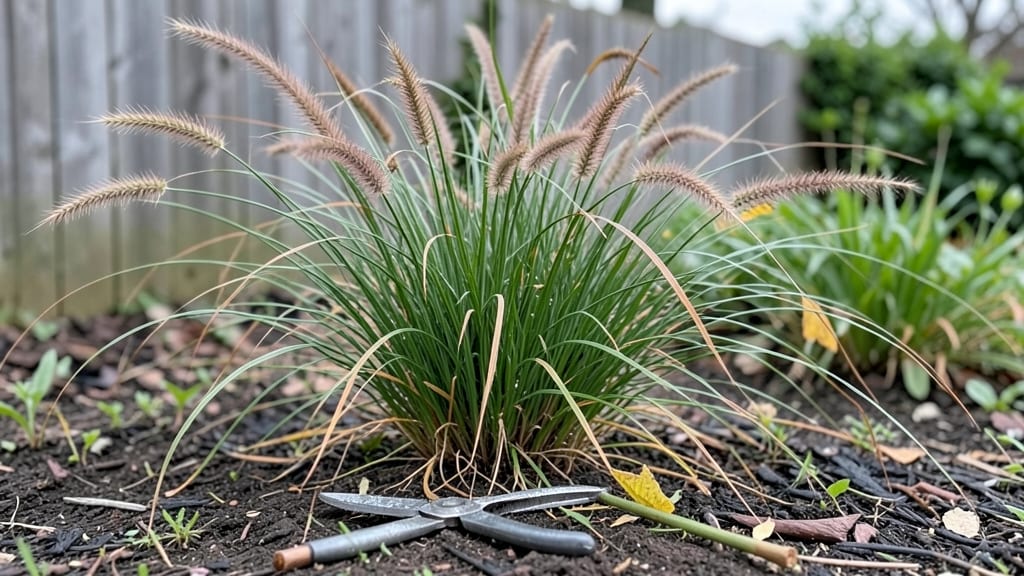
Pruning fountain grass transforms it from a wild tangle to a showstopping focal point in your yard. ✨ I’ve pruned mine every year for five seasons, and the difference between a neglected clump and a lush, sculpted plant is all in the cuts.
The key is timing—late winter or early spring, when new growth starts but before it gets too tall.
You’ll need sharp bypass pruners or a clean hedge trimmer, gloves, and a clear vision for your plant’s shape. Fountain grass grows in dramatic plumes, so cutting back by one-third each year keeps it full and healthy.
The first cut removes dead fronds at the base, then you shape the rest for that signature fountain effect.
After pruning, your grass will bounce back with fresh, vibrant growth within weeks. The new shoots emerge from the center, creating that signature cascading shape. Just avoid cutting into the hard, woody base—this is where next year’s growth starts, and you don’t want to damage it.
This method works for all fountain grass varieties, whether you’re dealing with a small ornamental clump or a towering border plant. The secret is consistency—prune at the same time each year, and your fountain grass will stay lush, full, and ready to anchor your garden design.
📚 In This Guide
- What you need
- Instructions
- Tips and common mistakes
- Wrapping up and next steps
What you need
- ● Pruning shears or hedge clippers: Choose sharp, bypass-pruning shears (5-7" blade) for clean cuts. Avoid dull tools that tear foliage.
- ● Heavy-duty gloves: Opt for gardening gloves with reinforced palms (size medium/large) to protect against thorns and sharp blades.
- ○ Loppers (optional but helpful): For thicker stems (1" diameter), use bypass loppers with a 20-24" reach.
- ● Pruning saw (for stubborn stems): A curved-tooth pruning saw for thick, woody bases (rare but possible in mature plants).
- ● Rake or leaf blower: A stiff-bristle rake or leaf blower to clear debris after pruning.
- ● Garden hose or bucket of water: To rinse tools between cuts and keep blades sharp.
- ● Disinfectant (70% isopropyl alcohol or bleach solution): Clean tools before and after use to prevent disease spread (1 part bleach to 9 parts water).
- ● Knee pads or stool: For comfort during long sessions (especially for larger plants).
- ● String or measuring tape: To mark even pruning lines for a polished look.
- ● Mulch or compost: Refresh the base after pruning to nourish roots.
- ● Safety glasses: Protect your eyes from flying debris.
How to prune fountain grass for perfect year-round shape
Here’s the straightforward method I’ve used for years to keep fountain grass looking lush and tidy.
✂️ Step 1: Time Your First Cut for Late Winter
Wait until mid-to-late February when new growth starts but before the plant sends up more than 3 inches of fresh shoots. This is your sweet spot—cutting too early removes last year’s protective growth, while waiting too long risks losing the plant’s natural shape.
Grab your sharp pruners and make a clean cut 2-3 inches above the ground. You’ll see the old, brown stems—these are dead and should be removed entirely. The goal is to expose the new green growth just starting beneath the surface. If you’re unsure, look for tiny green buds along the stem; that’s your signal to cut.
Here’s the thing—don’t worry if it looks messy at first. Fountain grass bounces back fast, and the new growth will fill in beautifully by spring. Just avoid cutting into the woody base at the very bottom, as this can harm the plant’s center.
✂️ Step 2: Shape Up in Early Spring for Fullness
Once the new growth reaches 6-8 inches tall, it’s time for your second cut. This is where you’ll give your fountain grass its signature rounded shape. Use hand pruners to trim the outer fronds, cutting at a 45-degree angle to encourage water to run off (this prevents rot).
Focus on thinning out the center first—fountain grass tends to get dense and woody over time. Snip out any stems that look thin, brown, or hollow (these are dead or dying). You’ll notice the plant naturally forms a cup shape—let that guide your cuts. For a more formal look, trim the outer edges evenly; for a natural style, leave some texture.
Real talk: If you see yellow or brown patches, these are signs of old growth or winter damage. Trim those out completely—the plant will thank you with fresh, vibrant new foliage. Avoid cutting more than one-third of the plant’s height at once, though. This keeps the grass healthy and prevents shock.
✂️ Step 3: Light Maintenance Through Summer and Fall
During the growing season, fountain grass needs minimal pruning—just a quick tidy-up every 4-6 weeks. Use your sharp pruners to trim any straggly fronds or stems that lose their shape. Focus on the outer edges first, then work inward if needed. You’ll see the plant naturally grows in a plume-like shape, so let that guide you.
In late summer, if the grass looks overgrown or leggy, give it a light haircut—cut back by about one-third to encourage bushier growth. This is also a great time to remove any seed heads if you don’t want the grass to spread. Just snip them off at the base with clean cuts.
By fall, when the grass starts to brown and die back, resist the urge to cut it all the way down. Leave the old stems standing—they provide winter interest and protect the crown from harsh temperatures. You can trim them back to 4-6 inches in late winter (just before your first cut of the year).
✂️ Step 4: Clean Up and Prep for Next Year
After your late winter pruning, gather up all the clippings and debris and dispose of them in the trash (don’t compost—fountain grass can spread aggressively). This keeps your garden tidy and prevents pests or diseases from hiding in old growth.
Now’s also the time to check the base of your fountain grass. If you see mushy or rotting stems, trim those out immediately and improve drainage around the plant. Healthy fountain grass should have a firm, woody base with no soft spots. If your plant looks weak or sparse, consider dividing it in early spring to rejuvenate growth.
You’ve got this. With these four steps, your fountain grass will stay neat, healthy, and stunning all year long—no more wild, unruly clumps taking over your garden!
Tips & tricks for perfect fountain grass pruning
These practical tips will help you master the art of pruning fountain grass without stress or guesswork.
Timing is Everything: I can't stress enough how important that mid-to-late February window is. If you're in a warmer climate, watch for those first green shoots—this is your signal to start. Waiting until you see 3 inches of new growth ensures you're not cutting too early and removing protective winter growth. Between us, I've learned this the hard way after accidentally shearing off too much in January!
Tool Matters More Than You Think: Sharp pruners are non-negotiable—dull blades tear the stems, causing more damage than good. Invest in a good pair of hand pruners and sharpen them regularly. For larger clumps, I use loppers for the initial cuts, then switch to pruners for detail work. The clean cuts heal faster and look much more professional.
Shape Secrets: When you're shaping in early spring, think of your fountain grass like a bouquet—you want that natural cup shape to guide your cuts. Start with the outer edges and work inward, always cutting at that 45-degree angle. This isn't just about looks; it helps water run off properly, preventing rot. I've noticed my plants stay healthier when I follow this method consistently.
Seasonal Strategy: During summer maintenance, I've found that every 4-6 weeks is perfect for keeping things tidy without overdoing it. In late summer, that one-third haircut is your secret weapon for encouraging bushier growth. And here's what nobody tells you—those brown stems in fall aren't just ugly; they're protective armor for winter. Leave them until late winter pruning!
Pro Tips for Pruning Fountain Grass
- These practical tips will help you master the art of pruning fountain grass without stress or guesswork.
- Timing is Everything: I can't stress enough how important that mid-to-late February window is.
- Tool Matters More Than You Think: Sharp pruners are non-negotiable—dull blades tear the stems, causing more damage than good.
Frequently asked questions
Got questions about pruning fountain grass?
You’re not alone! Here are answers to the most common concerns—so you can keep your fountain grass looking sharp and healthy all year.
When is the best time to prune fountain grass?
Prune fountain grass in late winter or early spring (just before new growth starts) for the cleanest look. You can also do a light trim in mid-summer to encourage bushiness. Avoid heavy pruning in fall—it can stress the plant before winter.
How short can I cut fountain grass without harming it?
Never cut more than ⅓ of the plant’s height at once. For most fountain grasses, aim to leave 12–18 inches of growth. Cutting too short can expose the crown to rot or freeze damage. If you’ve over-pruned, don’t panic—just trim less aggressively next time!
What if my fountain grass looks ragged after pruning?
Ragged edges? Try these fixes:
- Thin out dead fronds—pull or snip them at the base.
- Use sharp shears—dull blades tear grass, making it look messy.
- Shape gradually—avoid drastic cuts; focus on blending the edges.
Can I prune fountain grass in winter?
Light pruning in mild winters (to remove dead fronds) is fine, but avoid heavy cuts. Cold weather stresses the plant, and pruning too late can stunt spring regrowth. If your grass looks brown and brittle, wait until early spring—it’s likely dormant, not dead!
What’s a good alternative if I hate pruning fountain grass?
If maintenance feels like a chore, consider these low-maintenance alternatives:
- Miscanthus ‘Gracillimus’ – Slender, airy, and needs minimal shaping.
- Pampas grass (Cortaderia) – Fast-growing but requires less frequent trimming.
- Ornamental grasses like Carex or Muhlenbergia – Often self-cleaning and drought-tolerant.
Wrapping up and next steps
Pruning fountain grass doesn’t have to be intimidating—it’s all about timing, technique, and a little patience. 🌿 Whether you’re shaping it for aesthetics or promoting healthier growth, the key is to stay consistent and confident with your cuts.
With the right tools and knowledge, you’ll enjoy a lush, well-maintained grass that thrives year-round.
Now that you’re armed with expert tips, grab those shears and get pruning! Start small if you’re new, and soon, your fountain grass will be the envy of the neighborhood. Happy gardening! 🌱