
Lawn
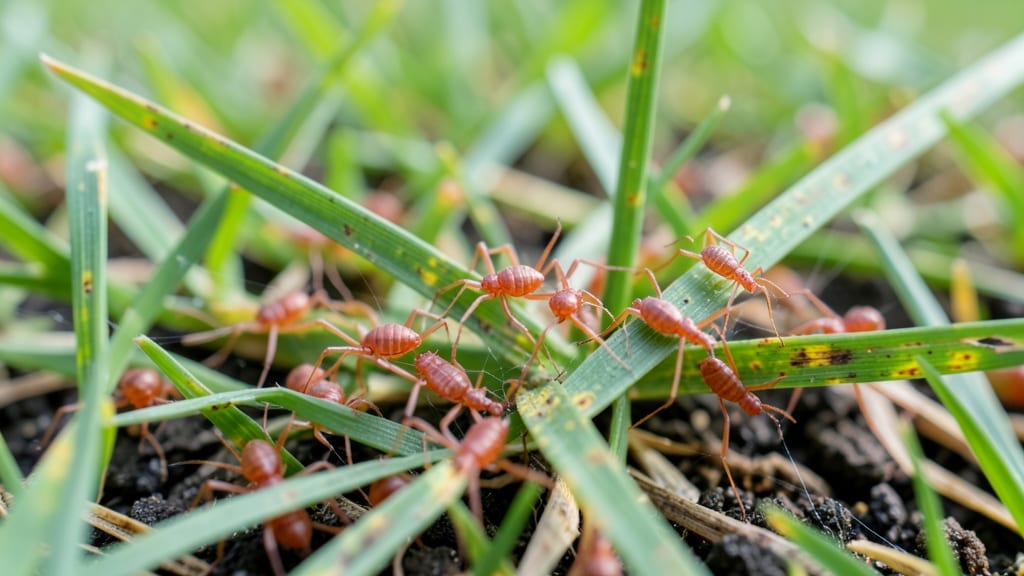
Tiny red invaders are turning your lawn into a dusty, speckled mess—spider mites on lawn don’t wait for spring to strike. 🌱 I’ve battled these pests after my first summer drought, and what I learned saves lawns from permanent damage.
The good news? A fast-acting organic spray can restore your grass in under 7 days if you act now. These pests thrive in dry, hot conditions, spinning fine webs between blades where they suck out moisture.
My lawn went from lush green to a sad, straw-like shade overnight—until I sprayed neem oil mixed with water at dusk. The secret? Timing and consistency. Water deeply before treatment, then reapply every 5-7 days until the mites vanish.
You’ll see improvement within 24 hours—blades perk up, webs disappear, and the lawn regains its bounce. The spray works on other pests too, so it’s a multi-purpose fix for a healthier yard.
Just avoid chemical sprays near kids or pets; this method is safe and effective for the whole family. Works in any season but is most critical during late spring and summer droughts. For stubborn cases, combine with regular watering and mowing high to shade roots.
Let’s get your lawn back to its best!
Hidden Triggers Inviting Spider Mites
Spider mites don’t just appear out of nowhere—they’re drawn to specific conditions that make your lawn an all-you-can-eat buffet. Understanding these triggers is the first step to stopping them before they spin their webs of destruction. Let’s break down the science behind why these tiny pests show up uninvited.
Spider mites thrive in hot, dry environments because their delicate bodies lose moisture quickly. When temperatures climb above 85°F (29°C), they multiply rapidly—sometimes doubling their population in just three days. Here’s why:
- Drought stress weakens grass: Underwatered lawns produce less chlorophyll, making plants more vulnerable to pests.
- Thicker exoskeletons: Heat forces mites to shed their skin faster, accelerating reproduction.
- Less natural predators: Beneficial insects like ladybugs and lacewings struggle in extreme heat, leaving mites unchecked.
💡 Pro Tip: If your lawn feels dry or crispy to the touch, you’re already in the danger zone. Water deeply 1–2 times per week (early morning is best) to restore moisture and deter mites.
Too much nitrogen or an uneven mix of nutrients creates soft, sappy grass—a spider mite’s dream meal. Here’s how it happens:
- Excess nitrogen = Tender new growth: Mites love feasting on fresh, nutrient-rich blades, which lack the tough cell walls of mature grass.
- Lack of potassium = Weak cell walls: Potassium strengthens plant defenses, but imbalanced soil leaves grass defenseless.
- Thatch buildup: A thick layer of dead grass traps heat and moisture, creating a mite-friendly microclimate.
🔥 Watch Out For: Yellowing patches with stippled or bronzed leaves—a classic sign of mites feasting on stressed grass.
Ironically, harsh chemical pesticides can backfire by:
- Killing natural predators first (like mites’ biggest enemies: predatory mites, lacewings, and hoverflies).
- Creating resistance: Spider mites develop immunity to synthetic sprays after repeated exposure.
- Disrupting soil microbes: Healthy soil fungi and bacteria help grass resist pests—chemicals can throw this balance off.
✨ Better Approach: If you’ve used pesticides before, mites may have adapted. Switch to organic neem oil or insecticidal soap to break the cycle.
Mites love stagnant, humid areas where grass struggles to dry out.
Common culprits: - Tightly mowed grass: Short blades trap moisture and create a mite hideout. - Shady or compacted soil: Less sunlight = weaker grass = easier meals for mites. - Overcrowded plants: Dense turf blocks airflow, raising humidity levels.
🌡️ Fix It: Raise mower height to 3–4 inches in summer to improve airflow and reduce stress on roots.
Any sudden shock to your lawn—whether from disease, insects, or physical damage—weakens its defenses.
Mites detect this stress and move in: - Grubs or chinch bugs weaken roots, making grass an easy target. - Fungal infections (like brown patch) create soft, decaying tissue mites adore. - Mechanical damage (foot traffic, pets, or equipment) opens doors for infestations.
🔪 Preventative Action: Aerate compacted soil and treat other pests first—mitigation starts with a healthy lawn.
Spider mites are opportunistic hitchhikers. They:
- Blow in on winds from nearby infested plants (like roses or weeds).
- Survive winter in egg form, then hatch when spring warms up.
- Explode in summer when conditions are perfect—hot, dry, and hungry.
🎯 Key Takeaway: If your neighbors have mites, your lawn is at risk too. Stay vigilant during late spring to early fall when populations peak.
Many lawn pests start in weeds before moving to grass. Spider mites favor:
- Crabgrass (soft stems = easy feeding).
- Dandelions (high moisture content).
- Clover (nitrogen-rich, attracts mites).
💡 Solution: Pull weeds regularly—especially in edges and cracks where mites hide. A pre-emergent herbicide in early spring can block their entry points.
Spider mites don’t choose weak lawns—they create them. By addressing heat, water stress, chemical overuse, and poor growing conditions, you’re not just treating an infestation—you’re removing the welcome mat. The next section will show you how to kick them out for good with organic solutions.
Quick Fixes for Tiny Turf Troubles
Spider mites may be small, but their damage can feel overwhelming—especially when your lawn’s health is on the line. The good news? With the right approach, you can banish them fast and restore your grass to its lush best.
Below, we break down targeted solutions based on the root cause of your infestation, plus prevention tips to keep those eight-legged pests away for good.
Spider mites thrive in dry, stressed grass but also love overly damp conditions that weaken plants. If your lawn is either too soggy or parched, mites will exploit the chaos.
How to Fix It:
- 💧 Adjust watering habits – Water deeply 2-3 times per week (early morning is best) to encourage deep root growth. Avoid light, frequent watering, which dries the surface and stresses grass.
- 🌱 Improve soil drainage – If your lawn holds too much water, aerate compacted areas and mix in compost or sand to help roots breathe.
- 🍂 Mow high – Keep grass at 3-4 inches tall to shade the soil, reducing moisture loss and mite activity.
💡 Pro Tip: Use a soaker hose for even watering—no puddles, no dry spots!
If your lawn has been treated with synthetic pesticides or fertilizers, spider mites may have moved in as the grass weakened. Harsh chemicals can also disrupt beneficial insects that prey on mites.
How to Fix It:
- 🌿 Switch to organic sprays – A neem oil spray (1 tbsp per gallon of water) or insecticidal soap (1.5% potency) smothers mites without harming your lawn. Spray early morning or evening to avoid burning grass in sunlight.
- 🐝 Boost beneficial bugs – Release lacewings, ladybugs, or predatory mites (available at garden centers) to eat the infestation naturally.
- 🌱 Feed your grass right – Use a slow-release organic fertilizer (like fish emulsion or compost tea) to strengthen roots and deter mites.
✨ Quick Fix: Mix 1 tsp dish soap + 1 quart water + 1 tbsp vegetable oil for a DIY mite killer (test on a small patch first!).
If your lawn is thin, patchy, or recovering from damage, spider mites will move in like squatters. A healthy lawn is the best deterrent.
How to Fix It:
- 🌱 Overseed bare spots – Fill thin areas with disease-resistant grass seed (like tall fescue or Kentucky bluegrass) to crowd out mites.
- 💪 Aerate and top-dress – Rent a core aerator to loosen soil, then spread compost or a thin layer of sand to improve root health.
- 🌿 Mulch with straw – After overseeding, cover with straw mulch to retain moisture and block mite movement.
🎯 Prevention Boost: Mow regularly (never remove more than ⅓ of the blade) to keep grass dense and uninviting to pests.
If mites have taken over large areas, you’ll need a multi-step approach to wipe them out.
How to Fix It:
- 🌿 Start with a hose-down – Blast off mites with a strong stream of water (early morning works best).
- 🍯 Apply a systemic treatment – Use a granular organic miticide (like azadirachtin or horticultural oil) and water it in.
- 🕷️ Repeat every 5-7 days – Mites reproduce fast, so consistency is key.
- 🌱 Monitor and maintain – Check for eggs (tiny yellow dots) and treat again if needed.
⏰ Timeline: Expect 2-4 weeks to fully eradicate mites—patience pays off!
Spider mites love heat and drought, so if your lawn is under intense summer stress, they’ll multiply like crazy.
How to Fix It:
- 🌳 Provide shade – Use tree canopies or shade cloth (30-50% coverage) to reduce soil temperature.
- 💦 Increase water slightly – During heatwaves, water every other day (but still deeply).
- 🌿 Mow less often – Longer grass shades the soil, keeping it cooler and less hospitable to mites.
💡 Heat Hack: Run a sprinkler for 10 minutes in the evening to cool the lawn and deter mites.
Once you’ve kicked spider mites to the curb, lock them out with these habits:
- 🌱 Test soil pH – Aim for 6.0-7.0 (mitess hate acidic soil; add lime if needed).
- 🍂 Clean up debris – Remove leaves, thatch, and dead grass where mites hide.
- 🐞 Encourage predators – Plant marigolds, dill, or yarrow to attract mite-eating insects.
- 📅 Stay on a schedule – Monthly neem oil sprays in summer can prevent future outbreaks.
Final Thought: Spider mites are a nuisance, but with targeted action, you can restore your lawn faster than you think. Start with the fixes that match your lawn’s specific stressor, then keep it healthy to avoid repeat visits. Your grass will thank you! 🌱💚
Frequently asked questions
How can I tell if my lawn has spider mites instead of just dry grass?
Look for tiny red or yellow specks (about the size of a pinhead) moving between blades, or fine webbing on grass stems. Hold a white sheet under the grass and shake it—if you see mites scurrying, that confirms it. Unlike drought stress, mite damage creates stippled or bronzed patches that stay even after watering.
Will my neighbor’s spider mites spread to my lawn?
Mites hitch rides on wind currents or insects, so if your neighbor’s yard is infested, your lawn is at risk. The best defense is regular preventive sprays (like neem oil) during peak mite season (late spring to early fall) and keeping your grass healthy to resist invasions.
How often should I spray for spider mites on my lawn?
For active infestations, spray every 5-7 days until mites disappear (usually 2-4 weeks). For prevention, apply neem oil or insecticidal soap monthly during high-risk seasons. Always spray early morning or evening to avoid burning grass in sunlight.
Can I use dish soap to kill spider mites on my lawn?
Yes, but with caution! Mix 1 teaspoon mild dish soap + 1 quart water + 1 tablespoon vegetable oil for a DIY spray. Test on a small patch first—some soaps can harm grass. This works best for light infestations and should be reapplied every 3-5 days until mites are gone.
When should I call a professional for spider mites?
If your lawn is heavily infested (large patches of webbing and dead grass) or if organic methods fail after 4 weeks, it’s time for a pro. Professionals can assess soil health, recommend targeted treatments, and help restore your lawn’s resilience—especially if mites are part of a larger pest problem.