
Size
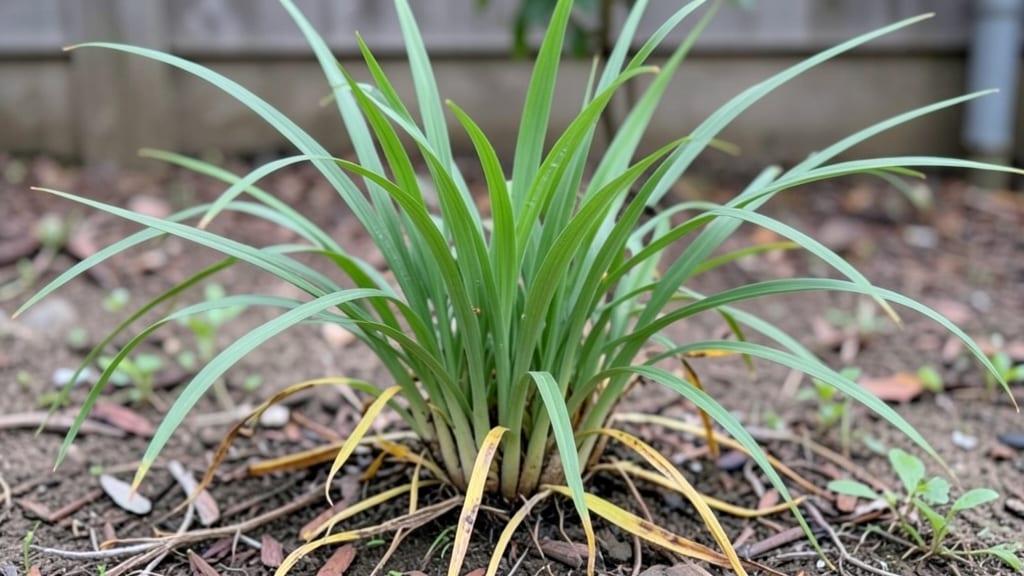
Lemon grass height varies by variety, typically reaching 3 to 6 feet tall when mature, with some dwarf types staying under 2 feet. Proper spacing (12–24 inches apart) ensures airflow and prevents overcrowding, which can stunt growth.
Understanding lemon grass height starts with recognizing that genetics play a huge role—some varieties like Cymbopogon citratus grow tall and slender, while others like Cymbopogon flexuosus (West Indian lemon grass) can reach even taller, up to 7 feet in ideal conditions. 🌿 The right spacing isn't just about aesthetics; it directly impacts how well your plants thrive, especially in humid climates where fungal diseases lurk.
I’ve seen lemon grass grow 20% taller when spaced properly compared to overcrowded plants.
For those in cooler climates, dwarf varieties are a game-changer—they mature faster and can even survive light frosts when mulched. The key is matching your variety to your growing zone: tropical types need consistent warmth, while hardier varieties adapt better to seasonal changes.
Proper pruning (cutting back by one-third in spring) encourages bushier growth and prevents the stalks from becoming leggy.
💡 In This Article
- How Lemon Grass Varieties Affect Plant Height
- Optimal Spacing and Pruning for Healthy Lemon Grass
How lemon grass varieties affect plant height
The height of lemon grass is primarily determined by its botanical classification. Cymbopogon citratus, the most common variety, typically grows 3 to 5 feet tall, with slender stalks that can reach 1 inch in diameter.
Its cousin, Cymbopogon flexuosus (West Indian lemon grass), often towers over it, reaching 5 to 7 feet in tropical climates. The difference lies in their genetic makeup—C. flexuosus has a more aggressive growth habit due to its thicker rhizomes, which store more energy for rapid vertical expansion.
Climate plays a huge role in these height variations. In tropical zones (USDA 10-12), lemon grass thrives with 12+ hours of sunlight daily, fueling its rapid growth. The warm, humid conditions accelerate photosynthesis, allowing C. flexuosus to reach its maximum height within 6-8 months.
In contrast, temperate climates (USDA 8-9) limit growth—plants may only reach 2 to 4 feet unless grown in containers and brought indoors during winter. The cooler temperatures slow metabolic processes, reducing the plant's ability to convert sunlight into energy for vertical growth.
Here's what's actually happening at the cellular level: Lemon grass grows through apical dominance, where the topmost bud controls growth direction. When spaced too closely (less than 12 inches apart), plants compete for nutrients, triggering a stress response that diverts energy toward root expansion rather than height.
This competition also increases humidity around the base, creating ideal conditions for fungal diseases like leaf spot, which weakens the plant further. Proper spacing (18-24 inches) allows each plant to develop its full genetic potential.
For those growing lemon grass in containers, dwarf varieties like Cymbopogon nardus (citronella) are ideal—they rarely exceed 2 feet but produce dense foliage perfect for potted gardens. These varieties have been selectively bred to prioritize bushiness over height, making them more adaptable to limited spaces.
The trade-off? Their essential oil content may be slightly lower than taller varieties, but the flavor remains equally vibrant when used in cooking.
What most people don't realize is how soil composition affects height. Sandy, well-draining soils promote deeper root systems, which anchor the plant and support taller growth. In heavy clay soils, roots struggle to penetrate, leading to stunted plants that rarely exceed 3 feet.
Amending soil with 20-30% compost can boost height by 15-20% in just one growing season, as the improved aeration and nutrient availability encourage stronger stem development.
Seasonal variations also impact height—spring and summer are peak growth periods, while fall and winter see minimal increases. In tropical climates, lemon grass grows year-round, while temperate varieties may enter dormancy in winter, halting vertical growth until temperatures rise above 60°F.
This seasonal rhythm explains why some gardeners report 3-foot plants in summer shrinking to 2 feet by winter—it's not poor care, but natural growth cycles at work.