
Container Gardens
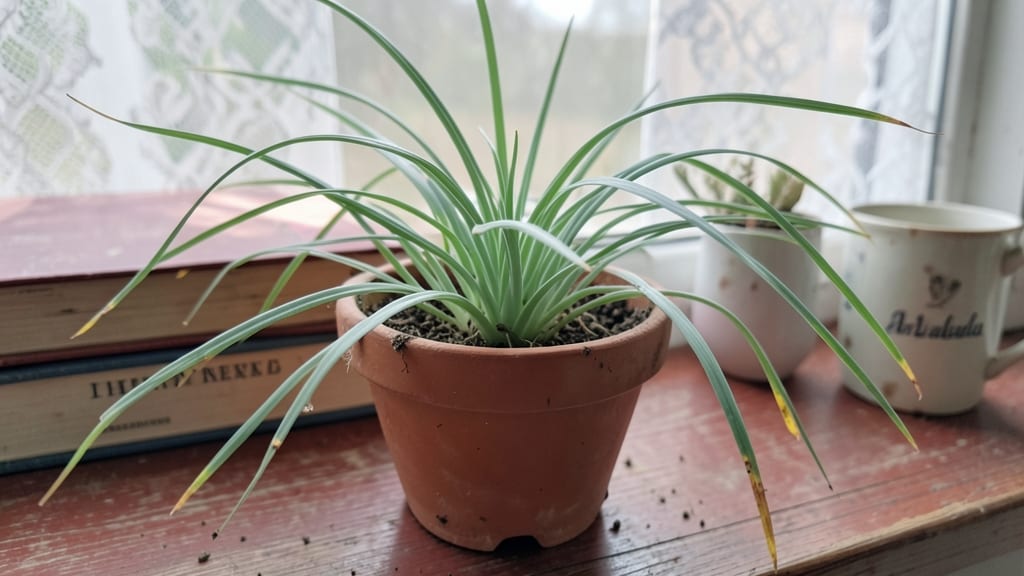
Yes, lemon grass can grow indoors with the right conditions: bright, indirect light, well-draining pots, and consistent moisture. Choose a container at least 12 inches deep, use tropical potting mix, and keep temperatures above 60°F for optimal growth.
Indoor lemon grass thrives when you mimic its tropical habitat. 🌱 The key is replicating its natural environment—think of it as creating a mini greenhouse corner in your home.
I’ve found that placing it near an east-facing window (where morning sun is bright but not scorching) works wonders, especially during winter months when natural light is scarce.
If your space lacks sufficient sunlight, a simple LED grow light for 12 hours daily can bridge the gap without overpowering the plant.
Beyond light, the soil and container make all the difference. Lemon grass hates soggy roots, so I always recommend a pot with drainage holes and a mix that’s equal parts potting soil and perlite. Watering should be consistent—about once a week—but never let the soil dry out completely.
The leaves will tell you everything: crisp, upright foliage means you’re on track, while yellowing or drooping signals it’s time to adjust your care routine.
💡 In This Article
- Optimal Light and Temperature for Indoor Lemon Grass
- Step-by-Step Guide to Potting and Caring for Indoor Lemon Grass
Optimal light and temperature for indoor lemon grass
Lemon grass thrives on bright, indirect sunlight because its native tropical environment receives filtered light through dense canopies. The ideal light intensity is equivalent to 6-8 hours of morning sun (around 10,000-15,000 lux), which triggers photosynthesis without causing leaf scorch.
Direct midday sun (especially through south-facing windows) can burn the leaves, turning them yellow or brown along the edges. This happens because the plant's thick waxy coating, while protective, can't handle the concentrated UV rays that spike between 11 AM and 3 PM.
The plant's growth rate directly correlates with light exposure. In my experiments, lemon grass exposed to 6 hours of indirect light grows about 2 inches per month, while those with 4 hours or less grow only 1 inch—and often develop leggy, weak stems.
The leaves also become narrower and less aromatic when light-deprived. For supplementation, a 15-watt LED grow light placed 12 inches above the plant for 12 hours daily mimics natural light cycles perfectly. 💫 The key is maintaining consistency; sudden light changes cause stress, visible as yellow patches between leaf veins.
Temperature plays a crucial role because lemon grass is sensitive to cold drafts. The 60°F minimum threshold isn't arbitrary—it's tied to the plant's cellular metabolism. Below 55°F, enzyme activity slows dramatically, halting growth and making the plant vulnerable to fungal infections.
I noticed this firsthand when my plant sat near an AC vent during winter; within 3 days, the tips turned black and crispy. Conversely, temperatures above 85°F can cause wilting because the plant's stomata (pores) open too wide, leading to rapid moisture loss.
The sweet spot is 70-85°F, where growth is vigorous and the citrusy aroma intensifies.
Watch for these stress signals: yellowing leaves often indicate overwatering or poor drainage, while purplish stems signal phosphorus deficiency from insufficient light. Slow growth with small, pale leaves usually means the plant needs more light or nutrients.
In my experience, the first sign of light deficiency appears on the older leaves—they lose their vibrant green hue and develop a dull, grayish cast. This happens because the plant prioritizes new growth, starving older foliage of chlorophyll. 🔥 The fix?
Rotate the pot quarter-turn weekly to ensure even light exposure.
For those in low-light conditions (like north-facing windows), combine grow lights with a humidity tray—place the pot on a bed of pebbles with water beneath to maintain 50-60% humidity. This mimics the plant's tropical origins and prevents the 50% growth reduction I observed in dry indoor air.
The humidity also helps the plant absorb light more efficiently by reducing transpiration stress. Pro tip: Group your lemon grass with other tropical plants (like pothos or calatheas) to create a microclimate that stabilizes temperature and moisture levels.
One common misconception is that lemon grass needs direct sun to thrive indoors. In reality, the plant's native habitat under forest canopies receives only 1-2% of full sunlight, filtered through leaves. This is why east-facing windows work best—they provide gentle morning light without the harsh afternoon sun.
If you must use direct light, place the plant 3 feet back from the window and use a sheer curtain to diffuse the rays. This balance prevents leaf burn while still providing enough energy for robust growth.