
Lawn
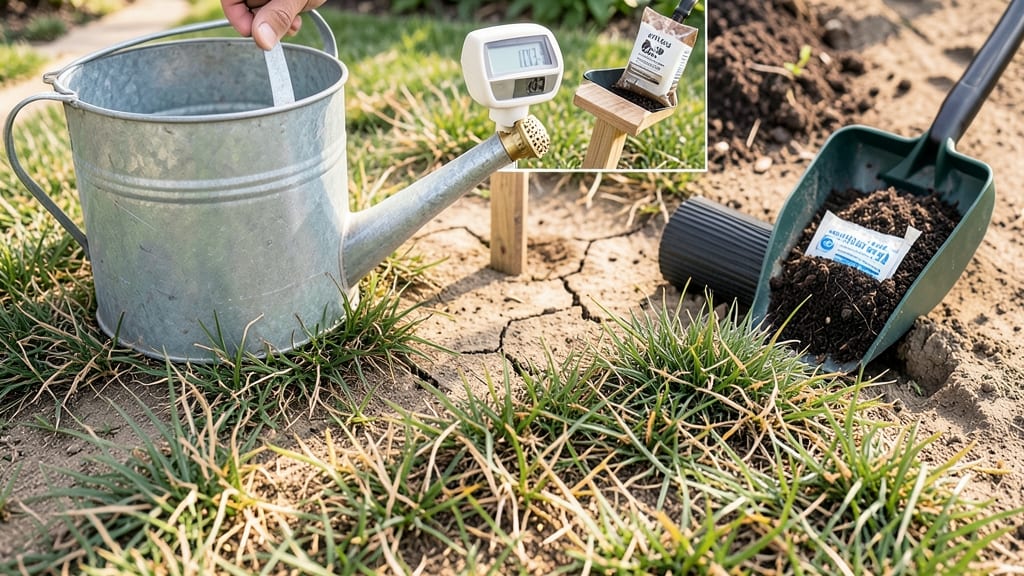
Your lawn isn’t beyond saving—even after fixing a burnt lawn from a scorched summer or chemical mishap. 🌱 The key to quick revival lies in fixing watering mistakes, overseeding bare patches, and giving roots the right support.
I’ve nursed back lawns from crispy brown to vibrant green in just 4-6 weeks using these simple steps. First, stop guessing with water—deep but infrequent soaks (1-1.5 inches per week) prevent shallow roots from drying out.
Then, spread fresh grass seed over the burnt areas and top it with a thin layer of compost. This isn’t just band-aid gardening; it’s teaching your lawn to heal itself.
By late fall, you’ll see new shoots pushing through, and by next spring, your lawn will look like it never had a rough patch. The secret? Patience and consistency—no shortcuts, just steady care. This works for drought damage, pet urine burns, or even herbicide mistakes.
Let’s get your lawn back to its best in record time.
Root Causes Of Lawn Scorch
Understanding why your lawn turns crispy underfoot is the first step to bringing it back to life. Lawn burn isn’t just a random act of nature—it’s usually a clear signal that something went wrong in your grass’s care routine.
Let’s break down the most common culprits and the science behind them.
Believe it or not, too much water can suffocate your grass just as effectively as too little. When soil becomes waterlogged, oxygen is displaced, and roots struggle to breathe. This creates the perfect environment for fungal growth (like Fusarium or Rhizoctonia), which can turn blades brown and mushy.
- Why it happens: Grass needs aeration—a balance of water, air, and nutrients. Overwatering displaces oxygen in the soil, weakening roots and making them vulnerable to disease.
- Actionable sign: If your lawn feels spongy underfoot or has a foul smell, drainage issues are likely the culprit.
When temperatures soar (especially above 90°F or 32°C), grass blades lose moisture faster than roots can replenish it. Without enough water, cells dehydrate, and chlorophyll breaks down, leaving your lawn looking like a sun-bleached rug.
- Why it happens: Grass has a wilting point—around 60% moisture loss in cells triggers irreversible damage.
Drought-stressed grass also becomes more susceptible to pests like chinch bugs, which feed on weakened blades. - Actionable sign: Blades turn a straw-like color and feel crispy to the touch, often starting in sun-exposed areas.
A little too much of a good thing can turn your lawn into a science experiment gone wrong. Overapplying nitrogen-based fertilizers or misusing herbicides (like glyphosate) can cause salt burn, where excess salts in the soil draw moisture out of grass cells.
- Why it happens: Fertilizers contain high concentrations of salts (e.g., ammonium sulfate). When overapplied, these salts disrupt the soil’s osmotic balance, causing cells to dehydrate.
Herbicides, meanwhile, can kill off beneficial microbes that help grass absorb nutrients. - Actionable sign: Brown patches appear within days of application, often with a white or yellowish crust on the soil surface.
Heavy foot traffic, especially on wet grass, compacts soil and crushes blades. This disrupts the root system’s ability to access water and nutrients, leading to patchy browning.
- Why it happens: Compacted soil reduces porosity, limiting water infiltration and root growth. The physical damage also exposes grass to pathogens and pests.
- Actionable sign: Bare spots or flattened areas where people walk or play, often near pathways or high-traffic zones.
Insects like grubs, chinch bugs, or armyworms can devour grass roots and blades, leaving behind a trail of brown, patchy damage. Fungal diseases (e.g., brown patch or dollar spot) thrive in warm, humid conditions, turning grass to sludge.
- Why it happens: Pests target stressed grass, while fungi spread via spores in moist environments.
A single infestation can spiral if left unchecked, as weakened grass attracts more pests. - Actionable sign: Irregular brown patches that spread quickly, often with visible insects or a slimy texture in affected areas.
Hail, frost, or lightning strikes can instantly shock your lawn into a state of shock. Hail tears blades, while frost disrupts cellular processes, halting growth and turning grass brittle.
- Why it happens: Physical trauma from hail severs cell walls, while frost forms ice crystals that rupture plant tissues. Lightning can also create localized heat spikes, burning grass on contact.
- Actionable sign: Sudden, uneven browning with visible damage (e.g., torn blades or blackened spots from lightning).
Cutting grass too short (below 2–3 inches) exposes roots to heat and sunlight, accelerating moisture loss. This is often called scalping, and it’s a fast track to lawn burn.
- Why it happens: Grass blades shade the soil, reducing evaporation.
When you mow too low, the soil dries out faster, and the plant’s energy shifts to regrowing leaves instead of roots. - Actionable sign: Uniform browning across the entire lawn, often paired with a "lawnmower burn" look (straw-like texture).
Pro Tip: 💡 The best defense is a soil test! If you’re unsure what’s causing the burn, test your soil’s pH, nutrient levels, and drainage. Many "burn" issues stem from underlying imbalances that a simple test can reveal.
Revive Your Lawn Quickly
A burnt lawn can feel like a disaster, but with the right steps, you can nurse it back to health—even if it looks crispy and brown right now. The key is acting fast, identifying the cause, and applying targeted fixes.
Below, we break down practical solutions for the most common reasons your lawn might be struggling, along with prevention tips to keep it lush long-term.
Symptoms: Yellow patches, spongy grass, or a dull, lifeless appearance (too much water); dry, brittle blades or footprints that don’t bounce back (too little).
How to Fix It: 1. 💧 Adjust Your Watering Routine
- Overwatered? Let the soil dry out before watering again. Test with your finger—if the top 1–2 inches are damp, skip watering.
- Underwatered? Water deeply 2–3 times per week (early morning is best) for 1–1.5 inches total.
Use a rain gauge or tuna can to measure.
- 🌱 Improve Drainage
- If water pools after rain, aerate the lawn with a core aerator (rent one or hire a pro). This creates holes for air and water to penetrate.
- Add 1–2 inches of compost or a sand-topsoil mix to heavy clay soil to boost drainage.
- 🍃 Overseed Bare Spots
- Once the soil is moist (not soggy), spread high-quality grass seed over thin or bare areas. Use a starter fertilizer (like 10-20-10) to help roots establish.
💡 Pro Tip: If your lawn has fungus (like brown patch), reduce watering and mow higher (3–4 inches) to shade the soil and slow spores.
Symptoms: Light brown or straw-colored grass that recovers when watered (not dead—just stressed).
How to Fix It:
- 🌿 Increase Shade Temporarily
- If possible, set up shade cloth (30–50% coverage) or move patio furniture to protect the lawn from midday sun.
- Plant fast-growing shade trees (like willow or silver maple) for long-term relief.
- 💦 Hydrate Deeply and Often
- Water early in the morning (4–8 AM) to reduce evaporation. Aim for 1–1.5 inches per week, including rain.
- Use soaker hoses or drip irrigation to deliver water slowly to the roots.
- 🌱 Overseed with Heat-Tolerant Grass
- If your lawn is Bermuda, Zoysia, or Buffalo grass, it’s likely heat-adapted. If you have cool-season grass (like Kentucky Bluegrass), consider switching to a drought-resistant blend for future summers.
🌡️ Pro Tip: Avoid mowing when grass is wilted—wait until it’s cool and hydrated to prevent further stress.
Symptoms: White, yellow, or blackened patches where herbicide or fertilizer was applied. Grass may feel slimy or mushy.
How to Fix It:
- 🚫 Stop Applying Chemicals
- If you suspect over-fertilizing or herbicide drift, flush the soil with 1–2 inches of water to dilute residues.
- 🌱 Overseed and Fertilize Lightly
- Wait 4–6 weeks before reseeding to let the soil recover. Use a low-nitrogen fertilizer (like 5-10-10) to avoid further damage.
- Choose fast-growing grass seed (like annual ryegrass) to fill gaps quickly.
- 💧 Flush with Water
- If burn spots remain, water deeply for 20–30 minutes to help leach out chemicals.
✨ Pro Tip: Always follow label instructions for herbicides/fertilizers—and water in after application to prevent concentration burns.
Symptoms: Irregular brown patches, chewed grass, or urine scorches (yellow rings).
How to Fix It:
- 🐕 Train Pets to Avoid Lawns
- Use pet-friendly turf (like clover or fescue) or designate a sandy or mulch play area.
- Dilute urine spots by watering immediately after your pet goes.
- 🐜 Treat Grubs or Insects
- If you see tunnels or ants, apply beneficial nematodes or grub control (like imidacloprid).
- Aerate to encourage healthy root growth, making grass less vulnerable to pests.
- 🌱 Reseed Damaged Areas
- Once the lawn is pest-free, overseed with dense, hardy grass (like tall fescue).
🎯 Pro Tip: Mow high (3–4 inches)—taller grass shades out weeds and recovers faster from pet damage.
No matter the cause, follow these universal recovery steps to bring your lawn back to life:
- 🔪 Mow High
- Set your mower to 3–4 inches to reduce stress and shade the soil.
- 🌱 Overseed in the Right Season
- Cool-season grasses (Kentucky Bluegrass, Fescue): Seed in early fall (60–70°F soil temps).
- Warm-season grasses (Bermuda, Zoysia): Seed in late spring/early summer.
- 💪 Use a Lawn Revitalizer
- Mix compost + starter fertilizer (like 10-20-20) and spread over bare spots. Lightly rake in.
- 💧 Water Wisely
- Deep and infrequent is better than shallow, daily watering. Aim for 1 inch per week.
- ⏰ Be Patient
- New grass takes 10–21 days to germinate. Avoid walking on it until fully established (about 3–4 weeks).
💡 Final Prevention Checklist: ✅ Mow at the right height (never remove more than ⅓ of the blade at once). ✅ Water early morning (4–8 AM) to reduce evaporation and fungus risk. ✅ Test soil every 2–3 years to adjust pH and nutrients. ✅ Aerate annually for compacted lawns. ✅ Choose drought-resistant grass if you live in a hot, dry climate.
Frequently asked questions
How long does it take to revive a burnt lawn?
With proper care, you’ll see new growth in 10-21 days after overseeding, but full recovery takes 4-6 weeks. The key is consistency—keep soil moist, avoid heavy foot traffic, and stick to your watering schedule. Warm-season grasses recover faster than cool-season varieties in summer heat.
Can I use regular grass seed on burnt patches?
Not always. For best results, choose fast-growing seed blends like annual ryegrass (cool season) or Bermuda grass (warm season) that match your existing lawn type. A starter fertilizer (like 10-20-10) helps new roots establish quicker in damaged areas.
What's the fastest way to fix pet urine burns?
Dilute fresh urine spots immediately with water, then overseed with pet-friendly grass like tall fescue or clover. Train pets to avoid the lawn and consider a designated play area with mulch or sand. For existing burns, apply a thin layer of compost to help recovery.
Is it too late to fix my lawn if it's completely brown?
Not necessarily! If the roots are still alive (test by pulling up a small patch—if green underneath, it's salvageable), follow the recovery steps. For severely damaged lawns, consider sod patches for instant coverage while you overseed. The sooner you act, the better the results.
How do I know if my lawn is dead or just dormant?
Pull up a small section—if you see green roots, it's dormant and will recover with proper watering. If there are no roots or white mush, it's dead and needs reseeding. For fungal issues, reduce watering and mow higher to prevent spread.