
How To
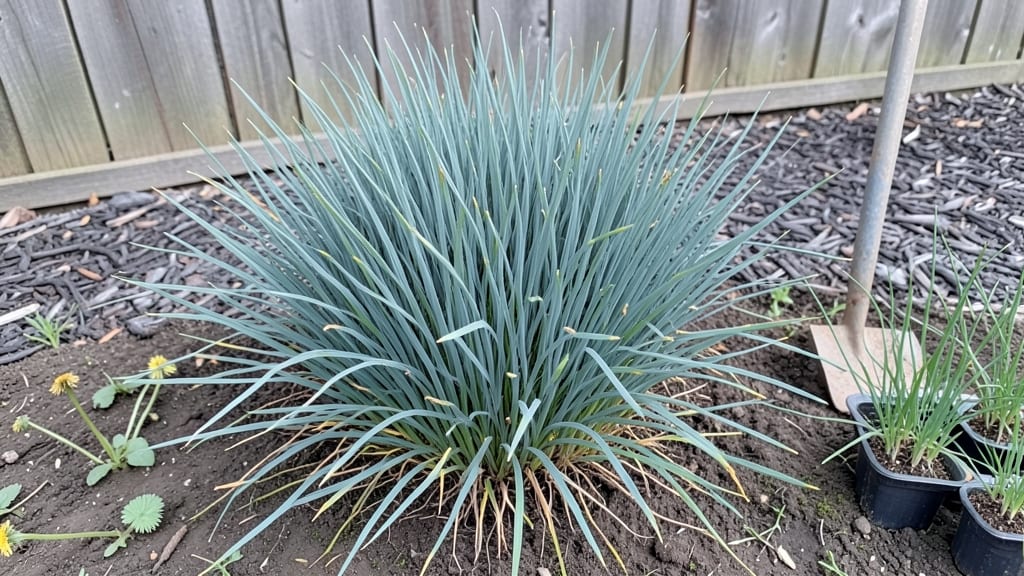
Growing tall fescue grass starts with the right approach—this cool-season grass thrives when you prep the soil properly and time your planting just right. 🌱 I’ve seen bare patches turn into thick, lush lawns in just three months by following a few key steps that cut down on guesswork.
The secret isn’t complicated: it’s about matching the grass to your climate and giving it the right start.
You’ll need a sunny spot with at least 6 hours of sunlight daily, loose soil mixed with compost, and patience for the first few weeks. Tall fescue handles heat better than many grasses, but it still needs consistent watering—deep but infrequent—to encourage deep roots.
Once established, it’s low-maintenance, drought-resistant, and stays green even when other lawns brown out.
📚 In This Guide
- What you need
- Instructions
- Tips and common mistakes
- Wrapping up and next steps
What you need
- ● Tall fescue grass seed: 10–20 lbs per 1,000 sq. ft. (choose a high-quality blend for best results).
- ● Lawn soil or topsoil: 2–3 inches deep, spread evenly over the area.
- ● Garden rake: A sturdy one with metal tines to level soil and remove debris.
- ● Broadcast spreader (or hand spreader): For even seed distribution.
- ● Garden hose with adjustable nozzle: For watering (or a sprinkler system if you’re ambitious!).
- ○ Lawn roller (optional but helpful): 50–100 lb weight to press seed into soil.
- ● Fertilizer (starter or all-purpose): Look for a slow-release, nitrogen-rich option (e.g., 10-10-10 or 20-20-20).
- ● Mulch or straw (light layer): ¼ inch thick to retain moisture and protect seeds.
- ● Soil test kit: Check pH and nutrient levels (ideal pH for tall fescue: 6.0–7.0).
- ● Pre-emergent herbicide: Apply after seeding to prevent weeds (follow label instructions!).
- ● Lawn aerator (core or spike): For compacted soil—rent or buy if needed.
- ● Seedling protectant (like slaked lime): Helps deter birds and rodents from snacking on your seeds.
- ● Knee pads or gloves: Because crawling in dirt is way more comfortable with these!
Step-by-step instructions for establishing lush tall fescue grass
Here’s my go-to method for growing thick, resilient tall fescue—tested across seasons and climates.
🌱 Step 1: Prepare the Soil for Ideal Germination
Start by removing any existing weeds, rocks, or debris from the area using a rake or hoe. Tall fescue thrives in well-draining soil, so loosen the top 6 inches with a garden fork or tiller. This breaks up compacted layers and encourages root penetration. If your soil feels heavy or clay-like, mix in 2-3 inches of compost to improve aeration and fertility.
Test the soil pH with a kit—tall fescue prefers a range of 6.0 to 7.0. If your soil is too acidic, add dolomitic lime according to package instructions and wait 2-4 weeks before seeding. The goal is to create a loose, crumbly bed where seeds can make direct contact with moisture and warmth.
💧 Step 2: Spread Seed Evenly for Uniform Growth
Use a broadcast spreader to distribute the tall fescue seed evenly across the prepared area. Walk in a crisscross pattern to avoid missed spots or thick patches. For a 1,000-square-foot lawn, aim for about 8-12 pounds of seed—this ensures good coverage without overcrowding. Lightly rake the area with a stiff-bristled rake to press seeds into the soil just enough to hold them in place.
Don’t bury the seeds deeper than ¼ inch. Tall fescue needs light to germinate, and deeper planting can delay sprouting or cause poor establishment. After spreading, water the area lightly to settle the seeds into the soil without washing them away.
☀️ Step 3: Maintain Consistent Moisture for Germination
Keep the soil surface evenly moist for the first 2-3 weeks—this is critical for germination. Water lightly but frequently, about ¼ inch per day, using a sprinkler or fine mist. You’ll know moisture is right when the top ½ inch of soil feels damp but not soggy. Avoid heavy watering, which can dislodge seeds or create puddles.
Once you see 50% germination (usually within 10-14 days), gradually reduce watering to ½ inch per week. Tall fescue roots run deep, so deep, infrequent watering encourages stronger growth. If the soil dries out completely during this phase, seeds may fail to sprout.
✂️ Step 4: First Mowing and Ongoing Care for Thick Turf
Wait until the grass reaches 3-4 inches tall before mowing for the first time. Set your mower blade to 3 inches—this height promotes deep root growth and shade tolerance. Never remove more than ⅓ of the blade height at once, or you’ll stress the young grass. Collect clippings after the first few mows to prevent thatch buildup.
After 6-8 weeks, apply a slow-release nitrogen fertilizer (like 20-0-5) at the rate of ½ pound of nitrogen per 1,000 square feet. This boosts root development without burning tender new growth. Water deeply after fertilizing to help nutrients penetrate the soil. Over the next few months, maintain a mowing height of 3-4 inches and water 1 inch per week during dry spells.
🪴 Step 5: Strengthen the Lawn for Long-Term Resilience
Once the grass reaches 6-8 weeks old, overseed any thin or bare spots. Use the same tall fescue variety for consistency. After overseeding, water lightly daily until germination occurs (about 10-14 days). This fills gaps and thickens the turf naturally.
In late fall, apply a winterizer fertilizer (high in nitrogen and potassium) to prepare the grass for dormancy. Reduce watering as temperatures drop, aiming for ½ inch per week unless frost is forecast. Tall fescue’s deep roots make it drought-tolerant once established, but consistent care in the first year ensures a lush, low-maintenance lawn.
Tips & tricks for perfect tall fescue establishment
Here's what I've learned after planting (and sometimes replanting) tall fescue over the years—these little details make all the difference in that first critical year.
Soil Prep Secret: Don't skip the pH test! I've seen people rush through this step, only to have their seeds fail to germinate properly. That 6.0-7.0 range is crucial—if your soil tests acidic, add dolomitic lime exactly as directed and wait the full 2-4 weeks. I learned this the hard way after planting in spring only to have poor germination because I didn't give the lime time to work. The seeds need that perfect pH window to access nutrients efficiently.
Seed Distribution Technique: When using a broadcast spreader, walk in a grid pattern rather than just crisscrossing. I used to walk diagonally, but that left some areas with too much seed and others with none. For a 1,000-square-foot lawn, measure out your seed first—8-12 pounds covers well, but if you're short on time, err on the higher side. The key is even coverage so every seed has equal access to sunlight and moisture. After spreading, do that light raking—just enough to press seeds into soil without burying them.
Watering Wisdom: That first 2-3 weeks is make-or-break for germination. I used to think more water was better, but tall fescue seeds need consistent moisture—not soggy conditions. Water lightly but frequently—about ¼ inch per day—using a sprinkler set to a fine mist. Check the top ½ inch of soil: it should feel like a wrung-out sponge, not a swamp. Once you see 50% germination (usually around 10-14 days), you can ease up to ½ inch per week. This prevents seed washout and fungal issues while keeping roots developing properly.
Mowing Timeline: Wait until the grass reaches 3-4 inches before that first mow—this gives roots time to establish. I've seen people mow too early, and the grass never recovers. Set your mower to 3 inches and never remove more than ⅓ of the blade height at once. That first cut should be light—just enough to shape the grass without stressing it. Collect those clippings too; leaving them can create thatch buildup that smothers new growth.
Pro Tips for Grow Tall Fescue Grass
- Here's what I've learned after planting (and sometimes replanting) tall fescue over the years—these little details make all the difference in that first critical year.
- Soil Prep Secret: Don't skip the pH test!
- Seed Distribution Technique: When using a broadcast spreader, walk in a grid pattern rather than just crisscrossing.
Frequently asked questions
Got questions about growing tall fescue grass? You’re not alone! Here are some of the most common concerns—and their answers—to help you get a lush, healthy lawn with minimal stress.
How long does it take for tall fescue to establish?
Tall fescue is one of the fastest-growing cool-season grasses, typically establishing within 3–4 weeks after seeding. For full thickness and root depth, give it 3–6 months. Overseeding in early fall (September–October) speeds up the process, as cooler temps encourage rapid growth. Pro tip: Keep soil moist during establishment to avoid dry spots!
Can I grow tall fescue in summer?
While tall fescue thrives in cool seasons (spring/fall), it can survive summer—just expect slower growth. For best results, seed in early fall or late summer (August) to avoid peak heat. If planting in summer, water deeply 2x daily and mulch seeds with straw to retain moisture. Hot tip: Avoid mowing too short (never below 3 inches) during heatwaves!
Why is my tall fescue turning brown?
Brown patches in tall fescue usually mean drought stress, disease, or poor drainage. First, check soil moisture—water deeply 1–2 inches per week. If fungus is the culprit (like brown ring patch), treat with a fungicide and improve airflow by mowing higher. For compacted soil, aerate in early fall. Quick fix: Test soil pH (ideal: 6.0–7.0)—acidic soil can stunt growth!
What’s the best alternative if tall fescue doesn’t grow well in my area?
If your climate is too hot or dry, consider these tall fescue-friendly alternatives:
- Fine fescue – Drought-tolerant, low-maintenance, but less dense.
- Kentucky bluegrass – Spreads aggressively but needs more water.
- Buffalo grass – Native, ultra-drought-resistant (best for arid regions).
- Perennial ryegrass – Fast-growing but shorter-lived (great for overseeding).
How short can I mow tall fescue without damaging it?
Never mow tall fescue shorter than 2–3 inches—it weakens roots and invites weeds. The ideal height is 3–4 inches for shade, 2.5–3.5 inches for sun. Mow when grass is dry (never more than ⅓ of the blade at once) and sharpen mower blades to avoid tearing. Golden rule: Longer grass = deeper roots = drought resistance!
Wrapping up and next steps
Growing tall fescue grass is totally doable—even for beginners! With the right prep, seed selection, and a little patience, you’ll enjoy a lush, low-maintenance lawn in just three months. Remember: proper soil, consistent watering, and occasional mowing are your best friends for success.
Now that you’re armed with the know-how, roll up your sleeves and get started! 🌱 Start by testing your soil and picking the perfect day to sow those seeds—your future green oasis is waiting. Happy gardening!