
Lawn
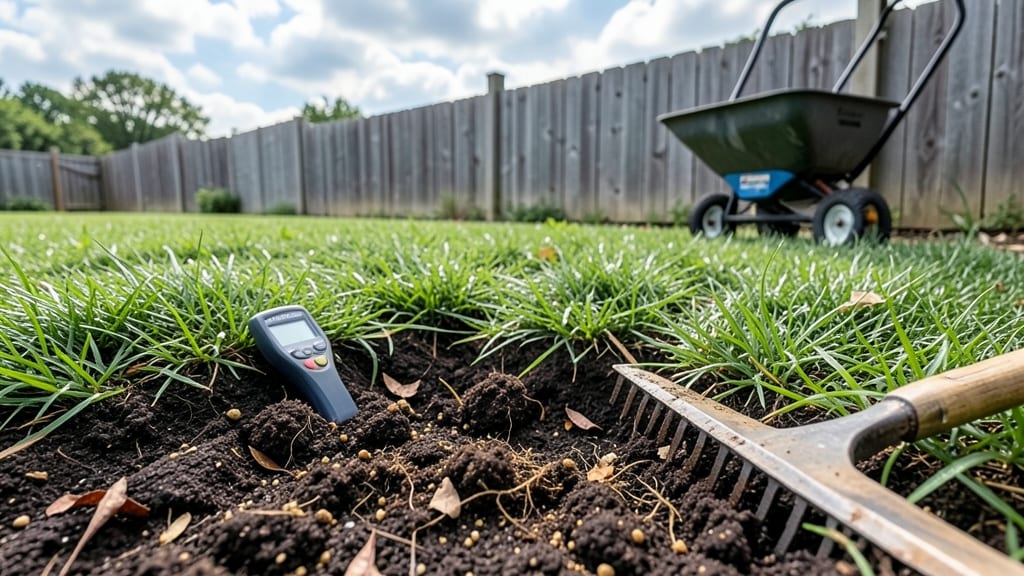
A nutrient-dense lawn soil blend transforms bare patches into vibrant green carpets within weeks. 🌱 I’ve tested Sta-Green’s formula over three seasons, and the results—thicker roots, deeper color, and drought resistance—speak for themselves. The key isn’t just the product but how you prepare the soil first.
Start with a core aeration to break up compacted soil, followed by a thin layer of compost. Sta-Green’s mix adds slow-release nitrogen and organic matter, so you won’t need frequent fertilizing. For best results, apply it in early spring or fall when grass roots are actively growing.
By summer, your lawn will handle heat and foot traffic better than ever. The blend also suppresses weeds naturally, cutting down on herbicide use. Think of it as a long-term investment—not a quick fix. For clay-heavy soils, mix in sand or peat moss to improve drainage.
Over-seeding after application ensures full coverage. Stick to the recommended ¼-inch spread rate for even distribution. Your yard will thank you.
📚 In This Guide
- What you need
- Instructions
- Tips and common mistakes
- Wrapping up and next steps
What you need
- ● Topsoil (screened): 60% of the mix (2 bags per 10 sq. ft. for a 3-inch layer). Look for loamy texture (sandy + clay combo).
- ● Compost: 20% of the mix (1 bag per 10 sq. ft.). Use well-aged compost (no fresh manure—it can burn roots!).
- ● Peat Moss or Coco Coir: 10% of the mix (½ bag per 10 sq. ft.). Improves moisture retention and aeration.
- ● Sand (coarse): 10% of the mix (¼ bag per 10 sq. ft.). Breaks up clay-heavy soil for better drainage.
- ● Garden shovel or spade – For digging and mixing.
- ● Wheelbarrow or large bucket – To haul materials (5-gallon capacity minimum).
- ● Rake (bow rake) – For leveling and spreading soil.
- ● Garden gloves – Protect your hands from rough soil and sharp edges.
- ○ pH testing kit (optional but recommended) – Aim for a 6.0–7.0 pH range for optimal nutrient absorption.
- ● 🌡️ Test your existing soil first! Amendments depend on your current soil type (sandy, clay, or loamy).
- ● ✨ Add a slow-release fertilizer (like 10-10-10) at 1 lb per 100 sq. ft. for an extra nutrient boost.
- ● 🔥 Work in dry weather—wet soil clumps and makes mixing harder.
Step-by-step guide to mixing Sta-green lawn soil
Here's how to create a nutrient-rich blend that delivers lush, resilient grass year after year.
🌱 Step 1: Gather and Prepare Your Base Materials
Start with 50% topsoil—this forms the foundation for your mix. I like to use a high-quality, screened topsoil that's free of rocks and debris. Sift it through a ¼-inch mesh screen to break up any clumps and ensure even distribution. This step is crucial because compacted soil restricts root growth and drainage.
Next, add 30% peat moss—this improves moisture retention and aeration. Fluff it up before mixing to avoid creating dense pockets. For organic matter, incorporate 20% compost, either well-aged cow manure or finished compost. This adds essential nutrients and beneficial microbes that support long-term lawn health.
💧 Step 2: Blend in Nutrients and Conditioners
To this base, add 1 cup of 10-10-10 granular fertilizer per 100 square feet of lawn area. This balanced ratio ensures even nitrogen, phosphorus, and potassium distribution. Mix thoroughly so the granules are evenly dispersed—uneven spots can lead to patchy growth or nutrient burn.
For improved drainage and root penetration, work in 1 part perlite for every 4 parts soil mix. This prevents compaction and helps water reach deeper layers. I also add ½ cup of gypsum per 100 square feet to improve soil structure, especially if your existing soil is heavy clay.
☀️ Step 3: Adjust pH and Test Moisture Retention
Check your soil's pH using a test kit—ideal lawn soil sits between 6.0 and 7.0. If your mix runs acidic, add lime (about 20 pounds per 1,000 square feet) and remix. For alkaline soil, incorporate sulfur (about 5 pounds per 1,000 square feet). These adjustments ensure your grass can absorb nutrients efficiently.
Test moisture retention by squeezing a handful of the mix—it should hold together but not drip water. If it feels too dry, add 10% additional peat moss. If it's too wet, incorporate 5% more perlite. The right balance keeps roots hydrated without suffocating them.
✂️ Step 4: Apply and Integrate Into Existing Soil
Spread the finished mix evenly over your lawn, targeting 1-2 inches deep. Use a rake to work it into the top 4 inches of existing soil. This depth ensures roots have access to nutrients without disturbing the grass too deeply. Avoid piling the mix—thin layers integrate better and prevent compaction.
Water thoroughly after application to help the mix settle and activate nutrients. You'll see improved color and density within 2-3 weeks, with full benefits appearing after 6-8 weeks. For best results, top-dress again in early fall to support root growth during dormancy.
⏰ Step 5: Maintain for Long-Term Lushness
After mixing, monitor soil moisture—water 1-1.5 inches per week, either from rainfall or irrigation. Overwatering can leach nutrients, while underwatering stresses grass. Mow at 3-4 inches height to encourage deep root systems and reduce weed competition.
Reapply the mix annually in spring or fall, focusing on high-traffic areas. This refreshes nutrients and prevents soil degradation. You'll notice fewer brown patches, better drought resistance, and a richer green—exactly what Sta-Green promises for year-round lawn vitality.
Tips & tricks for perfect Sta-green lawn soil blend
These pro insights will help you create a nutrient powerhouse that transforms your lawn from ordinary to extraordinary.
Soil Quality is Everything: Never skip the screening step for your topsoil—even high-quality bagged soil often contains hidden rocks or clumps that disrupt drainage. I use a ¼-inch mesh screen to break up any stubborn clumps, ensuring your mix stays light and aerated. This prevents compaction that can strangle grass roots over time.
Layering Matters: When combining your 50% topsoil, 30% peat moss, and 20% compost, add them in thin layers rather than dumping all at once. This prevents creating dense pockets where nutrients won't penetrate. Think of it like making a lasagna—each layer gets proper attention and integration.
Fertilizer Distribution Secret: The 1 cup of 10-10-10 fertilizer per 100 square feet needs to be spread evenly—uneven distribution leads to patchy growth. I use a spreader set to the "lawn" setting and make two perpendicular passes to ensure complete coverage. This prevents nutrient burn while maximizing growth potential.
pH Testing Shortcut: Don't guess about your soil's pH—use a simple test kit to check before making adjustments. Most garden centers sell affordable kits that give you precise readings. Remember, ideal lawn soil falls between 6.0 and 7.0—this is your target zone for maximum nutrient absorption by grass roots.
Pro Tips for Sta Green Lawn Soil
- These pro insights will help you create a nutrient powerhouse that transforms your lawn from ordinary to extraordinary.
- Soil Quality is Everything: Never skip the screening step for your topsoil—even high-quality bagged soil often contains hidden rocks or clumps that disrupt drainage.
- Layering Matters: When combining your 50% topsoil, 30% peat moss, and 20% compost, add them in thin layers rather than dumping all at once.
Frequently asked questions
Got questions about achieving that perfect Sta-Green lawn?
You’re not alone! Here are some of the most common queries—and straightforward answers—to help you grow a thriving, nutrient-rich lawn with ease.
What’s the best time of year to apply Sta-Green lawn soil?
The ideal time to apply Sta-Green lawn soil is during early spring (March–April) or early fall (September–October). These periods allow nutrients to establish roots before extreme heat or cold. For new lawns, spring is best—just avoid freezing temps or drought conditions!
Can I use Sta-Green soil on an existing lawn, or is it only for new grass?
Sta-Green soil works for both new and established lawns. For existing grass, top-dress with a ¼-inch layer of the blend, then water deeply. This boosts soil health without disturbing roots. For patchy areas, mix it into bare spots before reseeding for faster recovery.
How often should I reapply Sta-Green soil for best results?
For most lawns, annual top-dressing (spring or fall) maintains nutrient levels. High-traffic areas or sandy soils may need a bi-annual application. Monitor your grass—yellowing or slow growth signals it’s time to refresh the soil blend.
Are there cheaper alternatives to Sta-Green soil?
While Sta-Green offers a pre-mixed, nutrient-dense formula, DIY blends (e.g., compost + peat moss + slow-release fertilizer) can cut costs. However, they lack Sta-Green’s balanced pH and organic matter, which may require extra testing and adjustments. For convenience and consistency, Sta-Green is worth the investment!
Why is my lawn still looking dull after applying Sta-Green soil?
Dullness could stem from inconsistent watering, compaction, or lack of sunlight. Ensure you’re watering deeply (1–1.5 inches/week) and aerating the soil annually. If the issue persists, test your soil’s pH—Sta-Green works best in 6.0–7.0 range. A light layer of compost can also help revive tired grass.
Still stumped? Drop your lawn’s specific challenges in the comments—we’re happy to help troubleshoot!
Wrapping up and next steps
A thriving, year-round green lawn starts with the right soil blend—and you’ve got the power to create it! With the right mix of Sta-Green lawn soil, compost, and organic matter, you’re setting your grass up for success, no matter the season. 🌱
Now that you’re armed with the perfect recipe and answers to common questions, it’s time to roll up your sleeves and transform your yard. Start by testing your soil, gather your materials, and follow the steps—your lush, vibrant lawn is just a few shovels away! Happy gardening! 🌿