
Lawn
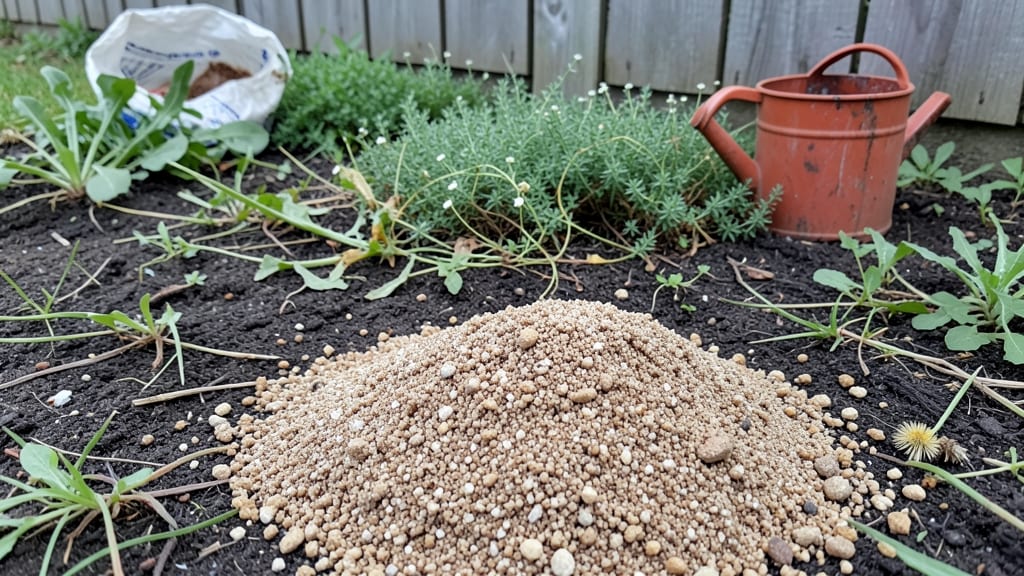
Dog urine can turn your lawn into a patchy, smelly mess if you don’t act fast. 🌱 I’ve battled this exact problem after my golden retriever turned our backyard into a urine factory—until I discovered the right treatments that actually work.
The key isn’t just masking the smell but repairing the grass roots so your lawn stays green and healthy.
Most people grab the wrong fix—like overwatering or harsh chemicals—that only makes things worse. Instead, you’ll need a three-step approach: dilute fresh spots immediately, apply nitrogen-rich fertilizer to recover damaged grass, and plant dog urine-resistant grass like tall fescue or Kentucky bluegrass.
It takes about 2-3 weeks of consistent care to see full recovery, but the results are worth it.
By the end, your lawn will smell fresh, not like a dog park, and the grass will bounce back stronger than ever. You’ll also learn how to prevent future damage with simple habits, so your yard stays lush without constant repairs. Let’s get that grass growing back healthy and happy.
This works for any lawn size, from small backyards to larger properties—just adjust the treatment area. The methods here are pet-safe once fully applied, so your dog can roam freely after you’re done. Ready to reclaim your lawn?
Why it happens
Dog urine isn’t just a stinky nuisance—it’s a chemical cocktail that can turn your lush lawn into a patchy, yellowed mess. 🌱💥 Understanding the why behind the damage is the first step to fixing it.
Below, we break down the key culprits and how they wreck your grass at a microscopic level.
🧪 High Ammonia Levels Burn Grass Roots
When your dog pees, their urine contains ammonia (NH₃), a compound that’s highly alkaline (pH 6.5–9.0). Here’s how it harms your lawn:
- Root cell damage: Ammonia disrupts the cell membranes in grass roots, causing them to leach out essential nutrients like potassium and phosphorus—think of it like a slow-motion osmotic shock. This leads to wilting and discoloration.
- Soil acidification imbalance: While ammonia itself is basic, it converts to nitrites (NO₂⁻) in the soil, which can acidify the root zone over time. Most lawn grasses (like Kentucky bluegrass or fescue) thrive in slightly acidic to neutral soil (pH 6.0–7.0). A sudden pH swing stresses the plants, making them vulnerable to disease.
- Nutrient lockout: High ammonia levels bind to soil particles, preventing your grass from absorbing iron and manganese—two critical nutrients for chlorophyll production. Without these, grass turns yellow even if you’re watering and fertilizing correctly.
Pro tip: 💡 If your dog pees in the same spots repeatedly, the ammonia builds up like a chemical time bomb. Test your soil’s pH—if it’s above 7.5, your grass is already fighting an uphill battle.
🔥 Uric Acid Crystals Scorch Grass Blades
Contrary to popular belief, uric acid (not ammonia) is the primary culprit behind the immediate browning you see after a pee spot. Here’s the breakdown:
- Crystallization on contact: Dog urine is 50% more concentrated in uric acid than human urine due to their carnivorous diet. When it hits grass blades, the uric acid crystallizes and acts like tiny salt shavings, dehydrating the plant cells on contact.
- Oxidative stress: Uric acid breaks down into allantoin and ammonia derivatives, which generate reactive oxygen species (ROS). These molecules oxidize the grass’s cell walls, causing them to plasmolyze (shrink away from the cell membrane).
- Long-term soil toxicity: Over time, uric acid accumulates in the soil, creating a barrier layer that repels water. This leads to drought-like conditions even in well-watered lawns.
Fun fact: 🐶💩 Male dogs produce 2–3x more uric acid than females because their anatomy concentrates urine more efficiently. That’s why their pee spots often look like instant fireworks on green grass!
🌱 Soil Compaction from Frequent Peeing
Beyond chemistry, physical damage plays a huge role in urine-related lawn decline. Here’s how:
- Root zone compression: Dogs often dig or press down while peeing, compacting the soil. Compacted soil has 10–30% less oxygen available to roots, suffocating them over time.
- Water runoff: Compacted areas can’t absorb water properly, leading to surface pooling. This creates the perfect environment for fungal growth (like brown patch disease) and anaerobic bacteria that further break down grass roots.
- Weed invasion: Compacted, urine-stressed soil is 3x more likely to let weeds like crabgrass or clover take over because they thrive in disturbed, nutrient-poor conditions.
Actionable fix: 🔨 If your dog has a favorite pee spot, aerate the soil annually to relieve compaction. A core aerator pulls out small soil plugs, letting oxygen, water, and nutrients breathe back into the roots.
🦠 Microbial Imbalance in Soil
Healthy soil is teeming with beneficial microbes that break down waste and recycle nutrients. But dog urine throws this ecosystem off balance:
- Ammonia overload: Most soil bacteria can’t handle high ammonia levels, so harmful pathogens (like Pseudomonas or Fusarium) take over, causing root rot.
- Nitrogen toxicity: While nitrogen is essential, excess ammonia nitrogen (NH₄⁺) outcompetes plants for nutrients, starving them of calcium and magnesium.
- Mycorrhizal fungus decline: These symbiotic fungi (which help grass absorb nutrients) die off in high-uric-acid environments, leaving your lawn defenseless against stress.
Soil health hack: 🌱 Add compost or mycorrhizal inoculants to urine-damaged areas to reboot the microbial community. Think of it like giving your lawn a probiotic!
How to Fix Dog Urine Damage
Dog urine can turn your lush lawn into a patchy, smelly mess—but the good news is, there are simple, effective fixes to restore your grass and keep odors at bay.
Below, we’ve mapped the most common causes of dog urine damage to practical solutions, plus prevention tips to protect your lawn long-term.
🌱 Fix Yellowed or Dead Grass Patches
If your lawn has brown, crispy patches where your dog frequently urinates, the high acidity and ammonia in urine have likely killed the grass roots. Here’s how to revive it:
🔥 Step 1: Flush the Area with Water
Dilute the urine immediately to reduce damage. Use a garden hose to thoroughly soak the affected spot for at least 10 minutes. This helps neutralize the ammonia and prevents further harm.
🍳 Step 2: Rake Out Dead Grass
Use a lawn rake to gently remove dead grass and expose the soil. This allows new grass seeds or sod to take root more easily.
👨🍳 Step 3: Apply a Grass Seed or Sod Patch
Choose a dog-friendly grass seed (like tall fescue or Kentucky bluegrass) or lay down sod. Follow the package instructions for watering and fertilizing.
🥘 Step 4: Use a Lawn Repair Mix
Mix compost or topsoil with the dead patch to improve soil health. A thin layer (about ¼ inch) will help new grass grow faster.
⏰ Step 5: Monitor and Water Regularly
Keep the area consistently moist (not soggy) for the first 2–3 weeks. Avoid walking on it until the new grass is fully established.
💡 Pro Tip: If the damage is severe, consider using a lawn patch kit designed for quick repair. These often include seed, soil, and fertilizer in one convenient package.
👃 Neutralize Lingering Odors
Even if your grass recovers, dog urine smells can linger for weeks or months. Here’s how to eliminate them:
🔥 Step 1: Use a Vinegar or Baking Soda Solution
Mix 1 part white vinegar with 3 parts water in a spray bottle. Lightly mist the affected area (avoid oversaturating). For a stronger deodorizer, sprinkle baking soda over the spot, let it sit for 10 minutes, then rinse.
🍳 Step 2: Try a Commercial Enzyme Cleaner
Products like Nature’s Miracle or Rocco & Roxie Stain & Odor Eliminator break down urine compounds at the molecular level. Spray according to the label, then water the area.
👨🍳 Step 3: Improve Soil Aeration
Compacted soil traps odors. Use a lawn aerator (or even a garden fork) to create small holes in the ground. This helps air circulation and allows natural decomposition of urine residues.
🥘 Step 4: Plant Dog-Friendly Ground Cover
If odors persist in high-traffic areas, consider replacing grass with clover, moss, or creeping thyme. These plants are more resilient to urine and help mask smells.
🌡️ Pro Tip: If you notice a strong ammonia smell after watering, your soil may be too alkaline. Test your soil pH and amend it with sulfur or peat moss if needed.
🛡️ Prevent Future Damage
The best way to protect your lawn is to act before urine causes harm. Here’s how:
🎯 Train Your Dog to Pee in Designated Spots
Use artificial turf or pea gravel in a corner of your yard as a designated potty area. Dogs often return to the same spot, so this contains the damage to one small section.
✨ Dilute Urine Immediately
After your dog goes, flush the spot with water using a hose or a portable watering can. This is especially important for puppies, whose urine is more concentrated.
💡 Use a Dog Urine Neutralizer Spray
Keep a spray bottle of diluted vinegar or an enzyme cleaner handy. A quick spritz after your dog finishes can prevent odors and grass burn.
🌱 Choose Dog-Resistant Grass Types
Some grasses are more tolerant of urine than others. Consider:
- Tall fescue – Drought-resistant and recovers well.
- Kentucky bluegrass – Bounces back faster than others.
- Buffalo grass – Naturally drought-resistant and low-maintenance.
If you’re reseeding, pick a variety labeled as pet-friendly.
🔄 Rotate Potty Areas Seasonally
If you let your dog roam freely, rotate the areas where they urinate. This prevents one spot from becoming permanently damaged.
🔥 Pro Tip: If your dog has a medical condition (like a UTI), their urine may be more acidic. Consult your vet and adjust your lawn care routine accordingly.
With these practical fixes and prevention tips, you can keep your lawn lush, odor-free, and dog-friendly. The key is consistency—act quickly when accidents happen, and your grass will thank you!
Frequently asked questions
Why does dog urine turn grass brown so quickly?
Dog urine contains high levels of uric acid and ammonia, which act like natural herbicides. The uric acid crystallizes on grass blades, dehydrating them instantly, while ammonia alters soil pH, blocking nutrient absorption. This combo causes that classic yellow/brown burn pattern within minutes.
Can I use regular fertilizer after treating dog urine spots?
Not immediately! Wait 1-2 weeks after treating to let the lawn recover. Then use a low-nitrogen, high-potassium fertilizer (like 5-10-10) to rebuild grass strength. Avoid urea-based fertilizers—they contain ammonia, which can worsen damage if applied too soon.
What's the fastest way to remove dog urine smells?
For immediate results, spray the area with a 1:3 vinegar-water mix or use an enzyme-based cleaner like Nature's Miracle. For stubborn odors, try baking soda (sprinkle, let sit 10 minutes, then rinse) or hydrogen peroxide (3%) diluted 1:1 with water. Always water thoroughly after treatment.
Will my lawn recover if I just water the brown spots?
Watering helps dilute the urine, but it won't fully repair damaged roots. You'll need to rake out dead grass, apply compost or topsoil, and overseed with dog-resistant grass like tall fescue. Without these steps, the area will likely stay patchy or become weed-prone.
Are there any plants that can survive dog urine better than grass?
Yes! Consider clover (natural nitrogen fixer), moss (thrives in moist, shaded areas), or creeping thyme (drought-resistant and urine-tolerant). These alternatives handle frequent peeing better than most grasses while adding visual interest to your yard.