
Lawn
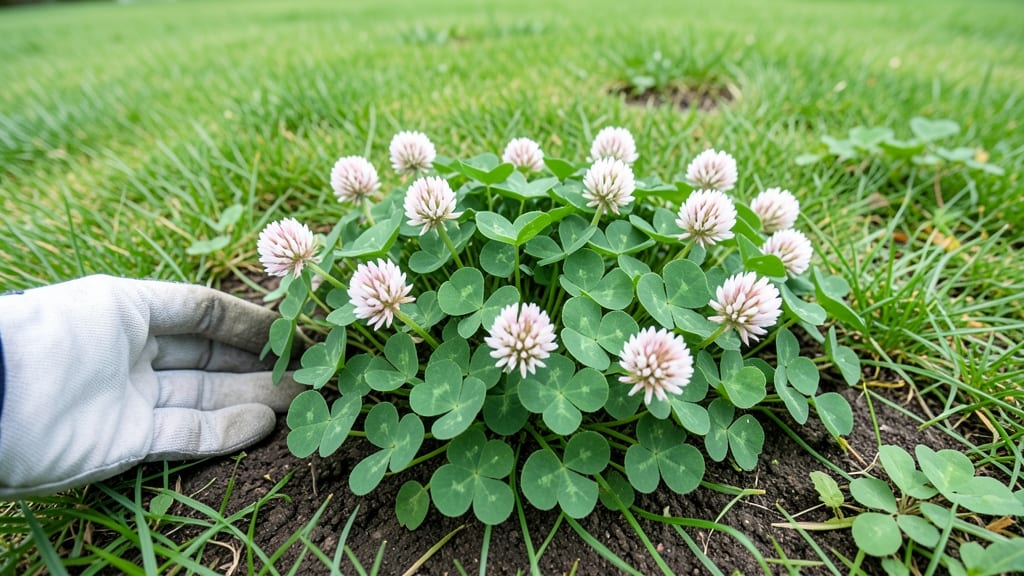
That stubborn clover like weed in the lawn isn't just unsightly—it's stealing nutrients from your grass and spreading like a relentless invader. 🌱 Honestly, I've spent years battling this persistent ground cover, and I know the frustration of watching it outcompete your carefully maintained turf.
The good news? With the right approach, you can reclaim your lawn in as little as 4-6 weeks, even if it feels hopeless now.
Most people make the mistake of treating clover like any other weed—pulling it by hand or spot-treating with herbicides that only give temporary relief. The real solution starts with understanding why clover thrives (shade, thin grass, or poor soil) and then attacking it at its roots.
My method combines targeted removal with grass revitalization, so you don't just kill the clover—you replace it with thick, healthy turf that stays clover-free.
By the end of this process, you'll have a lawn that's not just clover-free but thicker and greener than before. The secret? A two-phase approach that smothers clover while giving your grass the competitive edge it needs.
Whether you're dealing with a small patch or an entire yard takeover, this method works—no more watching clover bounce back after every treatment.
Here's the thing—clover isn't always the villain. If you're open to it, we'll also cover how to turn that stubborn spreader into a low-maintenance ground cover that actually benefits your lawn. But first, let's tackle that clover like the weed it is.
Understanding The Root Causes
If your lawn is suddenly dotted with clover-like weeds, don’t panic—it’s often a sign of deeper issues at play. These resilient plants thrive when certain conditions align, and understanding why they appear is the first step to reclaiming your grass.
Below, we break down the most common culprits, backed by science, so you can address the problem at its source.
Clover and similar weeds often invade lawns where the soil lacks essential nutrients, particularly nitrogen. Grass relies heavily on nitrogen for lush, green growth, but when levels drop, clover—naturally a nitrogen-fixing plant—steps in to fill the gap. Here’s the science:
- Nitrogen depletion: Frequent mowing, heavy foot traffic, or poor fertilization depletes soil nitrogen, weakening grass roots and creating openings for weeds.
- pH imbalances: Soil pH that’s too high (alkaline) or too low (acidic) can lock out nutrients, leaving grass vulnerable. Clover thrives in pH 6.0–7.0, while many grasses prefer 6.0–7.0 but struggle in extremes.
- Compacted soil: Heavy machinery, pets, or foot traffic compresses soil, reducing oxygen and water penetration. This stress signals grass to weaken while weeds like clover adapt to low-oxygen environments.
Actionable fix: Conduct a soil test to check nitrogen and pH levels. Amend soil with compost or a balanced fertilizer (10-10-10 or 16-4-8) to restore nutrients. Aerate compacted areas in fall or spring to improve root health.
Watering habits play a huge role in weed invasion. While grass needs consistent moisture, clover and similar weeds are drought-tolerant and often outcompete grass when watering is inconsistent. Here’s how it happens:
- Shallow roots from overwatering: Frequent light watering encourages grass to develop shallow roots, making it more susceptible to drought stress. Weeds, with deeper or more resilient root systems, take over.
- Dry patches from underwatering: Skipping watering sessions creates uneven moisture levels. Clover seeds germinate in 60–70°F soil and sprout quickly in dry, patchy areas where grass struggles.
- Morning vs. evening watering: Watering in the evening can promote fungal growth, weakening grass, while morning watering ensures even absorption and reduces weed germination.
Actionable fix: Water deeply 1–2 times per week (early morning) to encourage deep grass roots. Aim for 1–1.5 inches of water per week, adjusting for rain. Use a soaker hose for uniform coverage.
Grass is a sun lover, and when it doesn’t get enough light, weeds like clover—which can tolerate partial shade—move in. Here’s the breakdown:
- New constructions or trees: Recently built structures, overgrown trees, or shrubs can cast sudden shade, reducing grass photosynthesis. Clover, with its broadleaf structure, captures more light in low-light conditions.
- Thin grass canopy: If your grass is sparse (due to disease, pests, or poor maintenance), bare spots receive more light, creating ideal germination zones for clover seeds.
- Seasonal changes: In winter or early spring, grass grows slowly, leaving gaps that weeds exploit. Clover seeds can lie dormant for years, germinating as soon as conditions improve.
Actionable fix: Trim overhanging branches to increase sunlight exposure. For shaded areas, choose shade-tolerant grass varieties like fine fescue or creeping red fescue. Overseed thin patches in early fall to thicken the lawn before winter.
Neglect is a weed’s best friend. When lawn care routines slip, clover and other weeds seize the opportunity. Key oversights include:
- Infrequent mowing: Tall grass blocks sunlight from reaching the soil, creating a cool, moist environment where clover seeds germinate. Mowing at 3–4 inches keeps grass competitive.
- Skipping overseeding: Thin lawns invite weeds. Overseeding 2–3 times per year fills gaps and crowds out clover before it takes hold.
- Ignoring thatch buildup: A thatch layer thicker than ½ inch blocks water and nutrients from reaching grass roots, while weeds thrive in the debris.
- Pesticide misuse: Overusing broadleaf herbicides can kill clover but also weaken grass, leading to secondary invasions from other weeds or fungal issues.
Actionable fix: Establish a consistent mowing schedule (never removing more than ⅓ of the blade at once). Dethatch in late spring or early summer if the layer exceeds ½ inch. Use pre-emergent herbicides in early spring to prevent clover seeds from sprouting.
Pro tip: 💡 Combine fixes for best results! For example, aerate + fertilize in fall, then overseed to thicken grass before winter—this triples your defense against clover.
Effective Ways to Remove Stubborn Lawn Invaders
Now that you understand why that pesky clover-like weed keeps creeping into your lawn, it’s time to tackle it head-on! The good news? With the right approach, you can reclaim your grass in no time.
Below, we’ve mapped out practical, step-by-step solutions based on the most common causes—plus prevention tips to keep your lawn lush and weed-free long-term.
Best for: Small patches, early-stage infestations, or organic control methods.
If your lawn is only lightly invaded, hand-pulling can be surprisingly effective—especially if you act fast. The key is to remove the roots to prevent regrowth.
How to Do It Right:
👨🍳 Step 1: Choose the Right Time Pull weeds after rain or watering when the soil is soft and roots are easier to extract. Early morning or late afternoon works best to avoid heat stress.
🔪 Step 2: Use the Right Tools
- Gloves (to protect your hands from sap and dirt).
- Weed puller or garden fork (for stubborn roots).
- Hand trowel (for precision in tight spots).
⏰ Step 3: Pull, Don’t Snap Grasp the weed as close to the base as possible and wiggle it gently to loosen the roots. For deep-rooted clover-like weeds, use a fork to pry them out without breaking the crown.
🌱 Step 4: Fill the Gap After removal, patch bare spots with fresh grass seed or sod. Water lightly to help establishment.
✨ Pro Tip: Don’t compost pulled weeds—they’ll just regrow! Toss them in the trash instead.
Best for: Large areas, eco-friendly approaches, or preparing soil for reseeding.
If your lawn is heavily overrun, heat or smothering can weaken weeds before you treat them chemically—or even replace them entirely.
Method 1: Boiling Water Treatment
🔥 How it works: High heat kills weed roots on contact. 🍳 Steps: 1. Boil 1-2 gallons of water per square foot of affected area.
- Slowly pour it directly over the weeds (avoid healthy grass).
- Repeat every 2-3 days until weeds turn brown and die.
⚠️ Warning: This method works best on young, shallow-rooted weeds. For deep clover-like invaders, combine with manual pulling.
Method 2: Cardboard/Sheet Mulching
🌱 How it works: Blocks sunlight to starve weeds while improving soil. 👨🍳 Steps:
- Mow the area short to expose weeds.
- Lay wet cardboard or thick newspaper over the weeds (no glossy ink).
- Top with 2-3 inches of compost or mulch.
- Wait 4-6 weeks—weeds will decompose, and you’ll have fertile soil for new grass.
💡 Pro Tip: This method also improves soil health for faster grass regrowth!
Best for: Severe infestations, fast eradication, or large lawns.
If your lawn is heavily invaded, a targeted herbicide can provide quick, long-lasting results. Just be strategic to avoid damaging your grass.
Best Herbicides for Clover-Like Weeds:
| Type | Best For | How to Apply |
|---|---|---|
| Selective Herbicides (e.g., 2,4-D) | Broadleaf weeds like clover | Spray only on weeds, not grass. Follow label rates. |
| Pre-Emergent Herbicides | Preventing new weeds | Apply early spring before weeds sprout. |
| Vinegar + Soap Spray (DIY) | Small patches, organic option | Mix 1 gallon vinegar + 1 oz dish soap, spray on weeds (avoid grass). Repeat weekly. |
🔥 Critical Application Tips:
- Read labels carefully—some herbicides require multiple treatments.
- Water lawn lightly before applying to help absorption.
- Avoid windy days to prevent drift onto desirable plants.
✨ Pro Tip: For best results, combine pre-emergent (spring) + post-emergent (fall) treatments.
The best defense? A healthy, thick lawn that crowds out weeds naturally. Here’s how:
1. Improve Soil Health
📊 Test your soil (pH 6.0-7.0 is ideal for most grasses). 💪 Add compost or fertilizer to encourage dense grass growth.
2. Mow High & Regularly
🌿 Keep grass at 3-4 inches—taller grass shades out weeds. ⏰ Mow weekly in growing season to prevent weed seeds from taking hold.
3. Water Deeply & Infrequently
💦 1-1.5 inches per week (deep watering encourages deep roots). 🌡️ Avoid overwatering—weeds thrive in soggy conditions.
4. Overseed Bare Spots
🌱 Fill thin areas with disease-resistant grass seed in early fall (best germination time).
5. Use Mulch in Garden Beds
🍂 2-3 inches of mulch (wood chips, straw) suppresses weeds near lawn edges.
Final Thought: Whether you pull, smother, or treat chemically, consistency is key. Start with manual removal for small areas, smothering for large patches, and prevention to keep your lawn lush.
With these steps, you’ll say goodbye to clover-like weeds and hello to a thick, green carpet in no time! 🌱💚
Frequently asked questions
Is clover really bad for my lawn?
It depends on your goals! While clover can outcompete grass for nutrients, it also fixes nitrogen in the soil, which benefits lawn health. For traditional grass lawns, clover is considered a weed because it spreads aggressively. However, if you want a low-maintenance, drought-resistant lawn, clover can actually be beneficial as a ground cover.
Why does clover keep coming back after I pull it?
Clover spreads through both seeds and underground runners called stolons. If you don't remove the entire root system (including the runners), new plants will regrow from the remaining pieces. Use a weed puller or fork to get deep roots, and avoid composting pulled clover—it will just regrow!
What's the fastest way to kill clover in my lawn?
The quickest method is using a selective herbicide like 2,4-D, but for organic options, try boiling water treatment (pour boiling water directly on the clover) or sheet mulching with cardboard and compost. For best results, combine these methods with overseeding to prevent regrowth.
Can I turn my clover lawn into a grass lawn?
Yes! First smother the clover using cardboard mulching for 4-6 weeks, then aerate and overseed with your preferred grass variety. Apply pre-emergent herbicide in spring to prevent new clover seeds from sprouting while your grass establishes.
Will vinegar kill my grass if I use it on clover?
Yes, vinegar is non-selective and will kill both clover and grass. For spot treatment, use a vinegar-soap mixture (1 gallon vinegar + 1 oz dish soap) carefully, avoiding grass blades. For larger areas, vinegar is best used before planting new grass or in areas where you want to eliminate all vegetation.