
Lawn
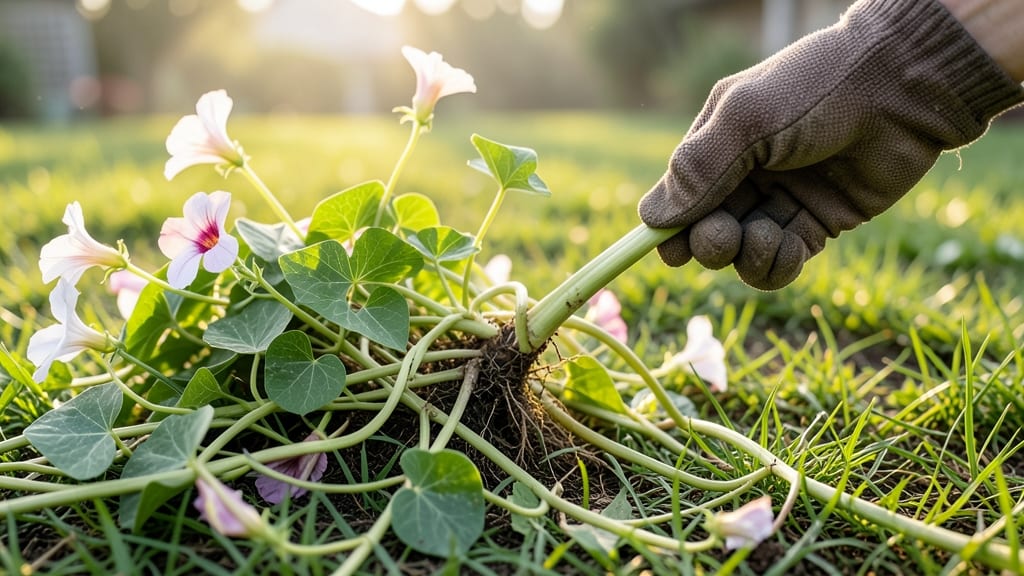
That vine-like weed choking your lawn isn't just ugly—it's stealing nutrients from your grass. 🌱 I've battled bindweed and creeping Charlie for years, and I'll show you how to banish them in 15 minutes without breaking a sweat. The problem starts small: a single vine here, another there.
But these weeds spread underground, making them harder to kill than dandelions. The key is acting fast—before they form those telltale white flowers or thick mats.
You'll pull them out by hand (yes, it works better than you think) and smother regrowth with a simple trick that keeps them from coming back. No harsh chemicals, no waiting weeks for results. Perfect for homeowners tired of seeing their lawns turn into a jungle.
Let's get those weeds gone for good!
Root Causes Of Lawn Creepers
If your lawn is being overtaken by persistent, vine-like weeds, the problem likely stems from a mix of environmental factors, lawn care oversights, and the weeds’ own aggressive biology.
Understanding these root causes is the first step to reclaiming your grass. Let’s break down the science behind why these tenacious plants thrive where they shouldn’t.
Vine-like weeds—such as bindweed (Convolvulus arvensis) or morning glory (Ipomoea spp.)—love disturbed, nutrient-poor, or compacted soil. Here’s why:
- Low Organic Matter: Healthy lawns have rich, loamy soil packed with organic material (like decomposed leaves or compost). Weeds invade when soil lacks this structure, leaving gaps for their roots to exploit. Bindweed, for example, can grow in soil with as little as 1% organic matter.
- Compacted Soil: Heavy foot traffic, machinery, or clay-heavy soil compresses the top layer, reducing oxygen and water penetration. Weeds like ground ivy (Glechoma hederacea) thrive in these conditions because their shallow roots can’t compete with deep grass roots—but they don’t need to.
- Imbalanced pH: Most lawn grasses prefer a pH between 6.0 and 7.0. If your soil is too acidic (<6.0) or alkaline (>7.5), grass struggles to establish, while weeds adapt. Creeping Charlie (a type of ground ivy) flourishes in acidic soil (pH 5.0–6.5).
Actionable Fix: Test your soil (kits cost ~$20) and amend with compost, gypsum (for clay), or lime/sulfur to adjust pH. Aerate compacted areas in fall to restore oxygen flow.
Watering habits directly impact weed dominance. Vine-like weeds often take over when:
- Grass Gets Thirsty: Lawns need 1–1.5 inches of water per week (including rain). Underwatering stresses grass, creating bare spots where weeds germinate. Bindweed seeds can lie dormant for decades but sprout within days of consistent moisture.
- Overwatering Creates Sludge: Frequent shallow watering (e.g., daily light sprinkles) keeps the topsoil soggy, suffocating grass roots while encouraging weeds like nutgrass (Cyperus rotundus), which thrives in wet conditions.
- Drip Irrigation Gone Wrong: Leaky sprinklers or uneven water distribution leave dry patches where grass fails to grow, and weeds like henbit (Lamium amplexicaule) move in.
Actionable Fix: Water deeply 2–3 times per week (early morning) and check soil moisture with a screwdriver—if it’s dry past 3 inches, water again. Fix sprinkler leaks and consider drip irrigation for uniform coverage.
Vine-like weeds exploit weak points in your lawn’s ecosystem, especially in:
- Shaded Areas: Grass like fescue or ryegrass needs 4–6 hours of sunlight daily. Under trees or fences, grass thins, while shade-tolerant weeds like creeping Charlie or clover take over. Their broad leaves capture even dim light.
- Thin or Patchy Grass: Bare spots from disease, pets, or foot traffic create entry points. Bindweed can spread 15 feet per year if unchecked, smothering grass roots.
- Transitional Zones: Edges where lawn meets driveway or sidewalk often lack consistent care, becoming weed magnets.
Actionable Fix:
- For shade: Plant shade-tolerant grass seeds (e.g., fine fescue) or overseed in fall.
- For thin spots: Rake out debris, apply compost top-dressing, and reseed with high-quality grass seed (e.g., Kentucky bluegrass for durability).
Weeds don’t just appear—they outcompete grass when your lawn is weak. Here’s how:
- Slow Germination: Many lawn grasses take 14–21 days to sprout, while weeds like crabgrass germinate in 3–7 days and spread rapidly.
- Aggressive Root Systems: Weeds like bindweed have deep, far-reaching roots (up to 20 feet long!) that steal nutrients and water from grass.
- Seed Bank Buildup: Disturbed soil releases dormant weed seeds. A single bindweed plant can produce 200–400 seeds per year, ensuring a steady supply.
Actionable Fix:
- Prevent weeds with a pre-emergent herbicide (apply in early spring before weed seeds sprout).
- Strengthen grass with slow-release nitrogen fertilizer (e.g., Milorganite) to outcompete weeds.
- Mow high (3–4 inches) to shade out weed seeds and promote dense grass growth.
Pro Tip: 💡 Don’t scalpel weeds—smother them! Lay down cardboard + mulch over infested areas to block sunlight and starve roots. Combine this with the fixes above for a weed-free lawn in 3–4 months.
Quick Fixes for Creeping Lawn Invaders
Tired of staring at your lawn and seeing those stubborn, vine-like weeds choking out your grass? The good news is that with the right approach, you can reclaim your yard in less time than it takes to brew a cup of coffee.
Below, we’ve mapped out practical solutions based on the most common causes of these tenacious intruders—so you can tackle them head-on without breaking a sweat.
For small patches of vine-like weeds (like ground ivy, creeping Charlie, or morning glory), a hands-on approach works wonders. This method is best for early-stage infestations or when you’re dealing with a few stubborn spots.
👨🍳 Step 1: Timing Is Everything
Pull weeds when the soil is moist—right after rain or in the early morning. Dry soil makes weeds brittle, but damp earth helps you extract the entire root system in one go. Pro tip: If the ground is too hard, water it lightly the night before.
🔪 Step 2: Grab and Yank (The Right Way)
Use one of these tools for maximum efficiency:
- Gloves + Hands: Perfect for small areas. Pinch the weed at the base and pull upward with a sharp jerk. Don’t forget to wear gloves—some weeds, like poison ivy, can cause rashes!
- Weeding Tool or Dandelion Diggers: These pronged tools grip the weed and lift it out with the roots intact. Ideal for thick turf.
- String Trimmer with Weeding Attachment: For large, sprawling vines (like bindweed), a trimmer with a weeding blade can slice through them at the soil line. Follow up by pulling the severed pieces.
⏰ Step 3: Inspect and Repeat
Check each pulled weed for remaining root fragments. Even a tiny piece can regrow! If you spot any leftovers, dig them out or smother them with mulch.
💡 Prevention Tip:
After removal, rake the area to expose any hidden roots or seeds. Then, overseed with grass to fill bare spots and outcompete future weeds.
If your lawn is heavily infested with vine-like weeds, smothering them with thick layers of mulch, cardboard, or landscape fabric can starve them of sunlight. This is a great solution for large areas or when you’re prepping for new sod or seeds.
📦 Step 1: Clear the Area
Mow the lawn as short as possible (if safe) to reduce weed height. Remove any large debris or rocks that might prevent the smothering layer from making full contact.
📐 Step 2: Layer Like a Pro
Apply one of these smothering techniques:
- Cardboard + Mulch: Lay down overlapping sheets of plain cardboard (no glossy ink) over the weeds. Wet the cardboard to weigh it down, then top with 2–3 inches of mulch (wood chips or straw work well).
- Landscape Fabric + Mulch: Spread a heavy-duty fabric over the weeds, securing the edges with bricks or rocks. Add mulch on top to block light completely.
- Thick Mulch Alone: For less aggressive weeds, pile 4–6 inches of mulch directly over the area. This works best in shaded spots.
✨ Step 3: Wait and Watch
Weeds typically die within 4–6 weeks as they’re deprived of sunlight. Once the area is clear, you can plant grass seed or lay new sod. Pro tip: Keep the smothering layer moist during dry spells to speed up the process.
🎯 Prevention Tip:
After smothering, apply a pre-emergent herbicide (like corn gluten meal) to prevent new weeds from sprouting. For organic yards, top-dress with compost to encourage thick, healthy grass.
For persistent or widespread vine-like weeds (especially bindweed or nutsedge), targeted herbicides can be a game-changer. However, use them strategically to avoid harming your lawn.
💊 Step 1: Choose the Right Herbicide
Not all herbicides work on vines. Look for these options:
- Glyphosate (e.g., Roundup): Best for spot-treating large weeds before pulling. Spray the foliage on a wind-free day, then pull the dead weeds 2–3 days later.
- Triclopyr (e.g., Ortho Brush B Gon): Effective for woody vines like morning glory. Apply directly to the leaves, avoiding overspray on grass.
- Pre-emergent Herbicides (e.g., corn gluten meal): Apply in early spring to prevent weed seeds from germinating. Ideal for long-term prevention.
🌱 Step 2: Apply with Precision
Follow these best practices:
- Read the label carefully—some herbicides require mixing with water or a surfactant for better absorption.
- Use a pump sprayer for spot treatments to avoid killing your lawn.
- Reapply if rain occurs within 24 hours of treatment.
🚫 Step 3: Protect Your Lawn
After applying herbicide, water the area lightly to help it absorb. Avoid foot traffic on treated spots for 24–48 hours. Pro tip: If you’re using glyphosate, wait 3–5 days before pulling the dead weeds to ensure full uptake.
💡 Prevention Tip:
After treating, improve your lawn’s health by aerating, fertilizing, and overseeding. A thick, healthy turf is the best defense against weeds!
Once you’ve banished the vines, take steps to ensure they don’t return. A combination of cultural practices and proactive care will keep your lawn lush and weed-free.
💪 Step 1: Boost Your Grass
Weeds thrive where grass is weak. Strengthen your lawn with these steps:
- Mow High: Keep grass at 3–4 inches tall to shade out weeds and encourage deep roots.
- Fertilize Regularly: Use a slow-release, balanced fertilizer (like 10-10-10) in early spring and fall.
- Aerate and Overseed: Do this in late summer or early fall to fill thin spots and crowd out weeds.
🌦️ Step 2: Adjust Your Watering
Overwatering creates the perfect conditions for weeds. Instead:
- Water deeply but infrequently (1–1.5 inches per week, including rain).
- Water in the early morning to reduce evaporation and fungal growth.
- Avoid frequent light watering, which encourages shallow weed roots.
🌿 Step 3: Mulch and Edge
Prevent weeds from creeping in from garden beds or sidewalks:
- Apply a 2–3 inch layer of mulch around flower beds and trees.
- Install edging between lawns and garden areas to block weed spread.
- Pull weeds from driveways and walkways regularly—they’ll spread to your lawn if left unchecked.
🔄 Step 4: Stay Vigilant
Perform monthly weed patrols, especially in high-traffic or shaded areas where vines love to hide. Early removal is always easier than a full-blown takeover!
Frequently asked questions
How do I tell if my vine-like weed is bindweed or morning glory?
Bindweed has arrowhead-shaped leaves and white trumpet flowers that open in the morning, while morning glory has heart-shaped leaves and larger, more vibrant flowers (often blue or purple). Bindweed grows aggressively underground with roots up to 20 feet long, while morning glory climbs on other plants or trails along the ground. Check for these key differences to identify your invader!
Will vine weeds come back if I just cut them down?
Yes, cutting vine weeds without removing the roots will often make them spread worse! These weeds regrow from even small root fragments left in the soil. Always pull them completely or use a targeted herbicide to kill the root system. For stubborn cases like bindweed, you may need to repeat treatments over 2-3 years to fully eradicate them.
Can I use vinegar to kill vine weeds in my lawn?
Vinegar can work for spot treatments, but it's not ideal for lawns. Use a 20% acetic acid solution (or full-strength vinegar) on a calm day, avoiding wind. Apply directly to the leaves, then water lightly. However, vinegar will also kill grass, so only use it on driveways or sidewalks. For lawns, targeted herbicides or smothering methods work better without damaging your grass.
How long does it take to completely remove vine weeds?
For small patches, you might see results in 2-4 weeks with consistent pulling. However, deep-rooted weeds like bindweed can take 2-3 years of persistent treatment. The key is to attack them before they flower and spread seeds. Combine manual removal with smothering or herbicide for the fastest results, and always monitor for new growth.
Are there any vine weeds that are actually good for my lawn?
Most vine weeds are invasive and harmful to lawns, but clover can be beneficial in small amounts. It fixes nitrogen in the soil and attracts pollinators. However, creeping Charlie (a type of ground ivy) and bindweed are purely problematic. If you see any "good" vines, they're likely not true weeds but rather beneficial ground covers that should be managed carefully rather than eradicated.