
Lawn
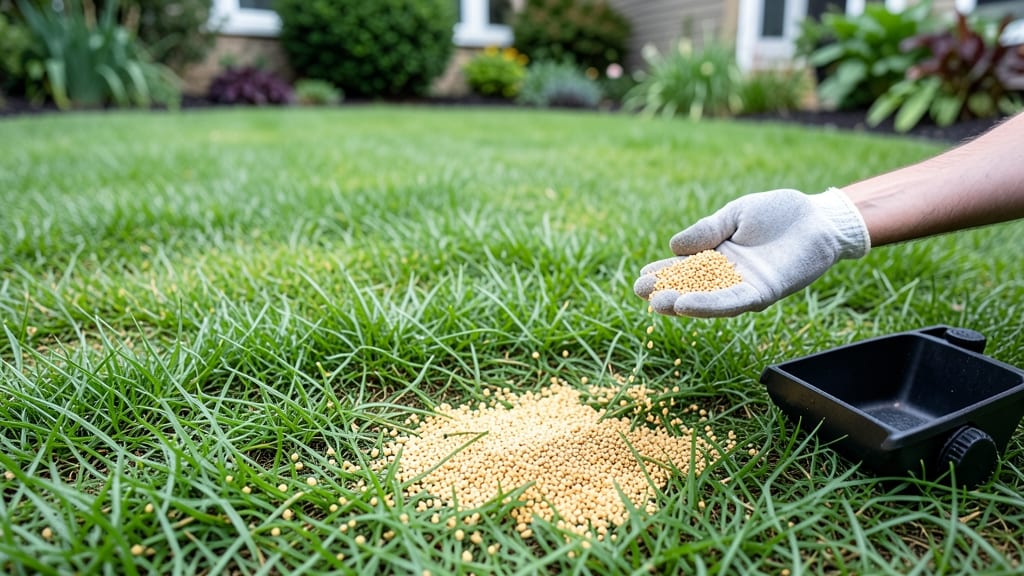
Using corn gluten meal on lawns prevents weeds by blocking seed germination, making it most effective as a pre-emergent treatment in early spring or fall when soil temperatures stay between 50–65°F. Apply 20 lbs per 1,000 sq ft, water lightly, and reapply every 3–4 months for continuous control.
Corn gluten meal works by releasing a natural compound called corn gluten hydrolyzate, which disrupts the hormones that trigger weed seed germination. 🌱 Unlike chemical herbicides, it’s completely safe for grass, pets, and the environment once fully broken down—though it won’t kill existing weeds.
I’ve seen the best results when applied before weeds sprout, especially for annual weeds like crabgrass and chickweed, which rely on fresh seed germination each year.
Timing matters more than you’d think. Applying it too early (when soil is still cold) or too late (when weeds are already growing) reduces effectiveness. A broadcast spreader ensures even coverage, and watering afterward helps activate the meal’s weed-suppressing properties.
For larger lawns, consider splitting the application into two smaller sessions to avoid clumping.
💡 In This Article
- How Corn Gluten Meal Stops Weed Seeds from Germinating
- Best Times and Rates for Corn Gluten Meal Lawn Application
How corn gluten meal stops weed seeds from germinating
Corn gluten meal works through a clever biological mechanism—it contains a protein derivative called corn gluten hydrolyzate, which acts as a natural pre-emergent herbicide. When applied to soil, this compound mimics plant hormones called auxins, which normally trigger seed germination.
However, the hydrolyzate disrupts these signals, preventing weed seeds from sprouting while leaving established plants unharmed. Think of it like sending a fake "all clear" signal to seeds that tricks them into thinking conditions aren't right to grow. 🌱
The magic happens at the cellular level. Corn gluten hydrolyzate interferes with the radicle (the embryonic root) development in weed seeds, essentially starving them before they can break through the soil.
This is why it's most effective against annual weeds like crabgrass, chickweed, and dandelions—species that rely entirely on fresh seed germination each year.
For perennial weeds (like clover or creeping charlie), corn gluten meal won't provide complete control since their roots already exist underground, but it significantly reduces their seed-based spread over time.
What makes this process so safe is that corn gluten hydrolyzate breaks down naturally in the soil through microbial activity, typically within 4-6 weeks. Unlike synthetic herbicides, it doesn't linger as a toxic residue.
The breakdown products are organic acids that actually feed beneficial soil microbes, creating a positive feedback loop for your lawn's ecosystem.
This is why it's safe to use around pets and children once fully applied—though you might want to keep them off treated areas for 24 hours to prevent accidental ingestion of the dry powder.
There's a common misconception that corn gluten meal kills all plants. In reality, it only affects seeds trying to germinate. Established grass, trees, and shrubs remain completely unaffected because their root systems are already developed.
The key is timing—applying it before weed seeds germinate (typically in early spring or fall) gives you the maximum window of effectiveness.
For example, crabgrass seeds germinate when soil temperatures reach 55°F, so applying corn gluten meal in late winter or early spring creates a protective barrier against this invasive weed.
For visual learners, imagine sprinkling corn gluten meal like you would flour on a countertop—it creates a thin, even layer that blocks weed seeds from accessing the moisture and nutrients they need to sprout.
The 20 lbs per 1,000 sq ft rate ensures complete coverage without creating a suffocating layer that could harm grass. This is particularly important for sandy soils, which drain quickly and might need a slightly higher application rate to maintain effectiveness during dry periods. 🌿
One fascinating aspect is how this natural approach compares to chemical alternatives. While synthetic pre-emergents like pendimethalin can provide similar weed suppression, they often leave behind harmful residues that can affect soil health long-term.
Corn gluten meal, on the other hand, enhances soil fertility by adding organic matter and nitrogen (about 10% nitrogen content by weight), giving your lawn a gentle nutritional boost while doing its weed-control job.
The science behind corn gluten meal's selectivity is rooted in plant physiology. Weed seeds are particularly vulnerable during the dormancy-to-germination transition because they've evolved to respond rapidly to environmental cues like moisture and temperature.
Corn gluten hydrolyzate exploits this sensitivity by creating a hormonal "confusion" that prevents the seeds from "waking up" properly. This targeted approach makes it one of the most environmentally friendly pre-emergent options available today. 🌍