
Lawn
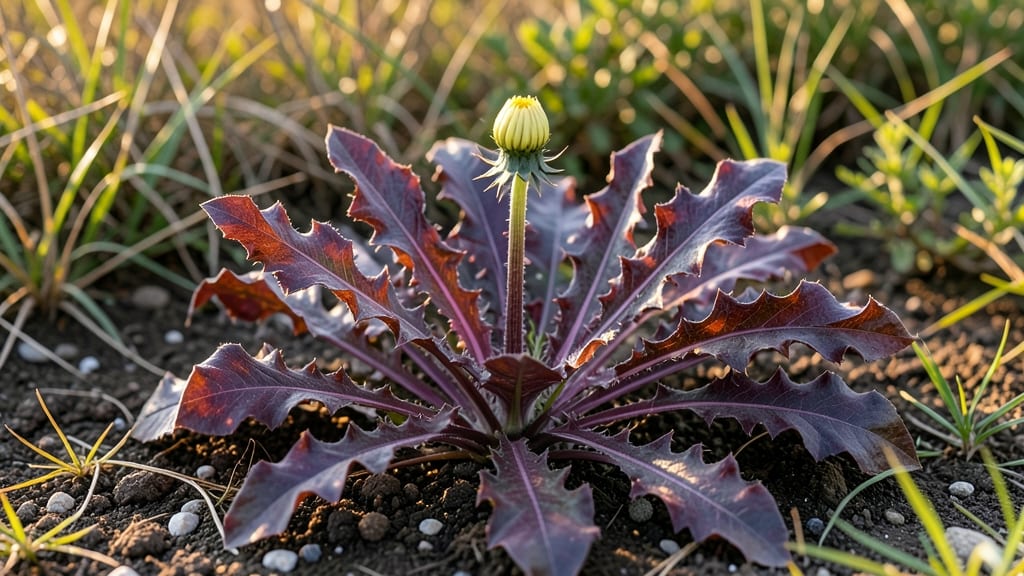
That purple-leaved weed creeping into your lawn isn’t just unsightly—it’s stealing nutrients from your grass. 🌱 I’ve wrestled with clover, henbit, and creeping Charlie, and I’ll show you how to pull them out without harming the grass you’ve worked so hard to grow.
The key is targeted removal: hand-pulling works best in small patches, while a vinegar-based spray (3% acetic acid) burns weeds but spares grass roots. Timing matters too—spring and fall are ideal, when weeds are active but your lawn is still resilient.
By summer’s end, you’ll have a lawn so dense that weeds can’t take hold. The secret? Prevention: overseed bare spots, mow high (3–4 inches), and water deeply but infrequently to crowd out invaders. Works for any grass type, from Kentucky bluegrass to fescue.
Let’s reclaim that lawn—one stubborn purple leaf at a time.
Root Causes Of Purple Lawn Invaders
Understanding why purple-leaved weeds pop up in your lawn is the first step to stopping them. These pesky plants don’t just appear out of nowhere—they thrive because of specific conditions in your yard. Let’s break down the science behind their persistence and how your lawn might be unknowingly inviting them.
Purple-leaved weeds, like henbit (Lamium amplexicaule) or purple deadnettle (Lamium purpureum), often dominate lawns where soil health is lacking. These weeds are opportunistic—they capitalize on weak grass by outcompeting it for nutrients and sunlight.
Why it happens:
- Low nitrogen levels – Grass thrives on nitrogen, but weeds like purple-leaved varieties adapt to poor soil. If your lawn is nitrogen-deficient (common in overwatered or clay-heavy soils), weeds fill the gap.
- Compacted soil – Heavy foot traffic, machinery, or clay soil can compress the ground, reducing oxygen and water availability. Weeds with shallow roots (like purple-leaved broadleaf weeds) survive better in these conditions.
- High pH or alkalinity – If your soil is too alkaline (pH above 7.0), essential nutrients like iron and manganese become unavailable to grass but not to weeds. Purple-leaved weeds often flourish in these environments.
Actionable fix: Test your soil’s pH and nutrient levels with a DIY kit or send a sample to a local extension office. Amend compacted soil with compost or gypsum, and fertilize with a slow-release nitrogen supplement to strengthen grass roots.
Watering habits play a huge role in weed dominance. Purple-leaved weeds often take over when grass is stressed by inconsistent moisture.
Why it happens:
- Excessive moisture – Overwatering keeps soil soggy, encouraging weeds that thrive in damp conditions. Purple-leaved weeds like henbit love moist, shaded spots.
- Drought stress – Conversely, underwatering weakens grass, leaving bare patches where weeds germinate. Purple-leaved weeds sprout quickly in disturbed or dry soil.
- Poor drainage – If water pools in low spots, weeds outcompete grass by germinating faster in saturated areas.
Actionable fix:
- Water deeply but infrequently (1–1.5 inches per week) to encourage deep grass roots.
- Improve drainage with sand or organic matter in problem areas.
- Use a rain gauge to monitor moisture levels and adjust accordingly.
Grass needs sunlight to photosynthesize, but purple-leaved weeds often dominate in shady or partially shaded lawns.
Why it happens:
- Thin grass canopy – If your lawn has bare spots or sparse grass (due to disease, pests, or poor mowing), weeds fill the gaps. Purple-leaved weeds like creeping Charlie (Glechoma hederacea) spread aggressively in shaded areas.
- Tree or structure shade – Dappled or dense shade reduces grass growth, giving weeds an advantage. Many purple-leaved weeds are shade-tolerant.
- Over-mowing – Cutting grass too short weakens it, leaving room for weeds to take over.
Actionable fix:
- Thicken grass with overseeding in fall (use shade-tolerant varieties like fine fescue).
- Trim overhanging branches to allow more sunlight to reach the lawn.
- Mow high (3–4 inches) to shade out weeds naturally.
Purple-leaved weeds often surge in specific seasons or climates, making them harder to control year-round.
Why it happens:
- Cool-season dominance – Many purple-leaved weeds (like henbit and purple deadnettle) germinate in fall and early spring when temperatures dip. They thrive in 50–70°F ranges.
- Mild winters – In regions with warm winters, these weeds may survive year-round, spreading aggressively in spring.
- Spring flush – After winter, weeds often outpace grass growth, creating a purple-tinged lawn until grass recovers.
Actionable fix:
- Pre-emergent herbicides in early fall (before weeds sprout) can prevent germination.
- Hand-pull weeds in spring before they seed.
- Aerate in fall to reduce weed seedling success.
Any disruption to your lawn—whether from construction, aeration, or even animal activity—creates opportunities for weeds.
Why it happens:
- Soil exposure – Tilling, aerating, or even pet digging can bring buried weed seeds to the surface.
- Thatch buildup – A thick thatch layer (over ½ inch) blocks water and nutrients, weakening grass and inviting weeds.
- Erosion or bare spots – Wind, rain, or foot traffic can create gaps where weeds establish quickly.
Actionable fix:
- Aerate annually to prevent thatch buildup.
- Reseed bare spots with grass seed (not just topsoil).
- Mulch heavily after aeration to suppress weed seeds.
Purple-leaved weeds don’t just appear—they exploit weaknesses in your lawn. By addressing soil health, watering habits, shade, seasonal cycles, and soil disturbance, you can create an environment where grass thrives and weeds struggle to take hold. The next step? Targeted removal without harming your lawn—coming up next!
How to Treat Unwanted Purple Leaves
Got purple-leaved weeds creeping into your lawn? Don’t panic—these stubborn invaders can be tackled with the right approach. The key is to target the root cause while preserving your grass.
Below, we break down practical solutions based on why the weeds appear, from quick fixes to long-term prevention. Let’s get your lawn back to lush green!
If your purple-leaved weeds (like clover, chickweed, or creeping charlie) are still young and sparse, pulling them by hand is the most eco-friendly method.
Steps to Success:
- 🍳 Choose the Right Time
- Pull weeds after rain or watering when the soil is soft and moist (they come out easier!).
- Early morning or late afternoon avoids heat stress on your grass.
- 👨🍳 Grab the Right Tools
- Use a weed puller, garden fork, or even your hands (wear gloves!).
- For deep roots (like dandelions), a dandelion digger works best.
- 🥘 Remove the Whole Plant
- Grip the weed at the base and pull upward—don’t snap it off!
- Check for remaining root fragments (they’ll regrow). If any break off, dig them out.
- ⏰ Frequency Matters
- Weekly checks prevent weeds from seeding and spreading.
- Pro Tip: 💡 Pull weeds before they flower—this stops them from spreading via seeds!
✅ Best For: Small patches, organic lawns, or when you want to avoid chemicals.
If manual removal isn’t enough (or you’re dealing with a large infestation), selective herbicides can help—without harming your grass.
How to Use Them Safely:
- 🌡️ Identify the Weed First
- Broadleaf weeds (like clover or plantain) respond to 2,4-D or triclopyr-based herbicides.
- Grassy weeds (like nutsedge) need different treatments—check the label!
- 🎯 Apply Precisely
- Spot-treat weeds (don’t spray the whole lawn—this can kill grass too).
- Use a drop spreader or pump sprayer for accuracy.
- Pro Tip: ✨ Water the lawn first—this helps the herbicide absorb into the weed’s leaves.
- ⏳ Follow Reapplication Rules
- Some weeds need 2-3 treatments (especially if they’re deep-rooted).
- Wait 1-2 weeks before reapplying if needed.
⚠️ Safety First:
- Wear gloves and protective eyewear.
- Avoid windy days—drift can damage nearby plants.
- Keep pets/kids off the lawn for 24-48 hours after application.
✅ Best For: Large patches, persistent weeds, or when time is limited.
The best defense? A healthy lawn that crowds out weeds naturally. Here’s how:
| Problem | Solution | How to Do It |
|---|---|---|
| Thin or patchy grass | Overseed bare spots | Rake, add compost, and sow grass seed in early fall or spring. |
| Poor soil quality | Test & amend soil | Use a soil test kit—add compost or fertilizer if needed. |
| Excessive shade | Choose shade-tolerant grass | Switch to fine fescue or Kentucky bluegrass varieties. |
| Overwatering | Water deeply but less often | 1-1.5 inches per week (encourages deep roots). |
| Mowing too short | Keep grass at 3-4 inches | Longer blades block sunlight from weeds. |
💡 Pro Tips to Keep Weeds Away:
- 🌿 Mulch bare spots with straw or grass clippings—it smothers weeds.
- 🍃 Use corn gluten meal (a natural pre-emergent) in early spring to stop weed seeds from germinating.
- 🔄 Aerate your lawn once a year—healthy roots = fewer weeds!
Final Thought: Purple-leaved weeds don’t stand a chance when your lawn is dense, well-fed, and properly maintained. Start with manual removal for small areas, spot-treat with herbicides if needed, and strengthen your grass to prevent future battles.
Before you know it, your lawn will be weed-free and vibrant! 🌱💚
Frequently asked questions
Are purple-leaved weeds always harmful to my lawn?
Not all purple-leaved plants are weeds! Some, like creeping phlox or purple loosestrife, can be ornamental and even beneficial for pollinators. The key is identifying them—if they’re spreading aggressively or crowding out grass, they’re likely weeds like henbit or creeping Charlie. Always check before treating.
Why do these weeds appear in patches rather than everywhere?
Purple-leaved weeds often target weak spots in your lawn where grass is thin or soil conditions are ideal for them. Common triggers include compacted soil, poor drainage, or areas with more shade. They exploit these micro-environments while healthy grass resists invasion. Focus removal on these patches first.
Can vinegar kill purple-leaved weeds without harming grass?
Yes, but with caution! Use a 3% acetic acid vinegar solution (1 part vinegar to 1 part water) applied directly to weeds on a dry, windless day. The acid burns the leaves, but grass may show temporary browning. For best results, spot-treat in early morning and avoid treating when grass is stressed (like during drought).
Will my lawn recover if I remove all the purple-leaved weeds?
Removing weeds creates space for grass to fill in, but recovery depends on your lawn’s health. After pulling weeds, overseed bare spots with matching grass seed and apply a light nitrogen fertilizer to encourage regrowth. With proper care, your lawn should thicken within 4-6 weeks.
Are there any natural predators that control purple-leaved weeds?
Some weeds have natural enemies! For example, ladybugs and lacewings prey on aphids that sometimes infest purple-leaved weeds like henbit. However, these predators aren’t weed-specific. The most effective natural control is maintaining a dense, healthy lawn—weeds struggle to take root when grass is vigorous.