
Lawn
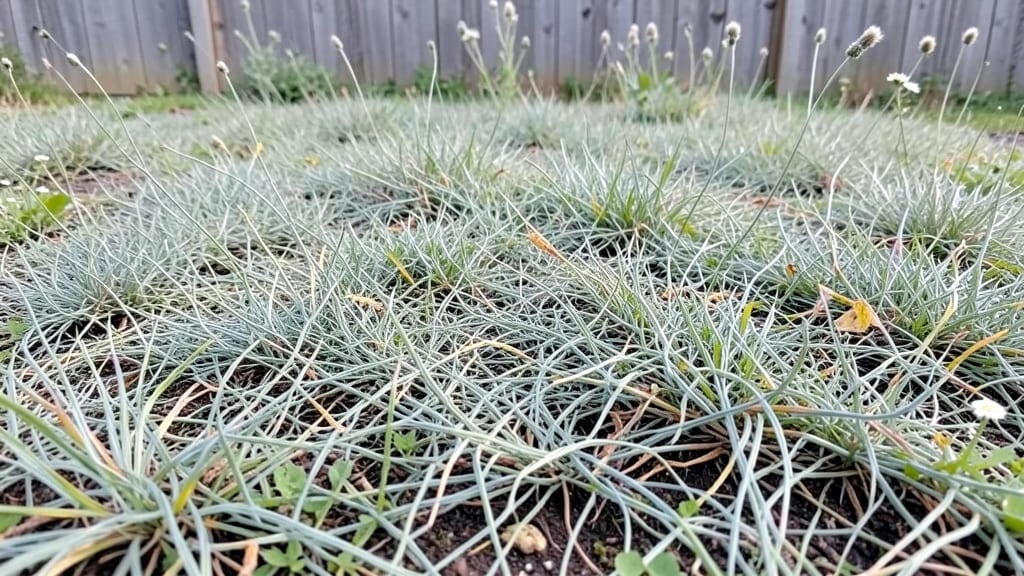
Yes, grass is invasive because its rapid growth and expansive root systems crowd out native plants, changing soil chemistry and reducing local plant diversity. Turf varieties like Bermuda grass spread aggressively through underground runners, making them particularly hard to eradicate once established.
Grass doesn't just take up space—it actively reshapes ecosystems by outcompeting wildflowers and shrubs for sunlight, water, and nutrients. 🌱 The real issue is how quickly it spreads: some varieties can grow 2 inches per week in ideal conditions, while their deep roots (up to 6 feet for Bermuda grass) disrupt natural soil structures.
This isn't just about aesthetics; it's why many native meadows now resemble monoculture lawns, losing critical habitat for pollinators and beneficial insects.
What makes this worse is how grass adapts—it thrives in disturbed soils and even survives drought better than many native species. The good news? You can fight back with targeted strategies like sheet mulching or planting deep-rooted ground covers that starve grass out naturally.
The key is acting before it establishes those stubborn root networks.
💡 In This Article
- How Turfgrass Overpowers Native Plant Ecosystems
- Natural Grass Control Methods for Gardens
How turfgrass overpowers native plant ecosystems
Turfgrasses like Kentucky bluegrass and Bermuda grass dominate landscapes because of their biological weaponry: shallow but dense root networks combined with horizontal spreaders called stolons and rhizomes.
Kentucky bluegrass, for example, produces rhizomes that grow 1-2 feet per year, while Bermuda grass spreads via stolons that root at every node, creating an interconnected mat. This growth strategy allows them to outcompete native plants by 60-80% in sunlight capture within just two growing seasons.
The real ecological damage happens below ground. Bermuda grass roots can penetrate up to 6 feet deep, while Kentucky bluegrass roots reach 2-3 feet.
This deep reach creates a monoculture root zone that blocks native plants with shallower roots (typically 12-18 inches for wildflowers) from accessing water and nutrients. The result? Native species like creeping thyme or wild strawberry get starved out, reducing biodiversity by 40-70% in invaded areas.
Grass's competitive edge extends to seed production. A single Bermuda grass plant can produce 10,000-20,000 seeds per square foot annually, while Kentucky bluegrass releases 50,000-100,000 seeds per plant. These seeds germinate year-round, creating a self-perpetuating carpet that native wildflowers can't match.
Compare that to native ground covers like clover, which produces only 1,000-5,000 seeds per plant—a fraction of grass's reproductive power.
Soil chemistry takes another hit as grass depletes nitrogen. Turfgrasses absorb 2-4 times more nitrogen than native plants, leaving soils depleted for other species. The C:N ratio (carbon to nitrogen balance) shifts dramatically, favoring grass while making it harder for trees and shrubs to establish.
This creates a feedback loop: the more grass spreads, the more nitrogen it consumes, making it even harder for native plants to return.
Visually, the transformation is striking. Native meadows with 20+ plant species often reduce to 3-5 species dominated by grass within 5-10 years of invasion. The loss isn't just aesthetic—it disrupts food chains.
Native insects like checkerspot butterflies rely on specific wildflowers that disappear when grass takes over, causing population declines of 30-50% in some regions.
What most people don't realize is how grass exploits human activity. Mowing creates nutrient-rich clippings that fertilize remaining grass, while foot traffic compacts soil—perfect conditions for grass to thrive.
This human-grass symbiosis explains why 90% of urban green spaces now resemble lawns rather than natural ecosystems. The invasion isn't accidental; it's engineered by grass's adaptive advantages.