
Lawn
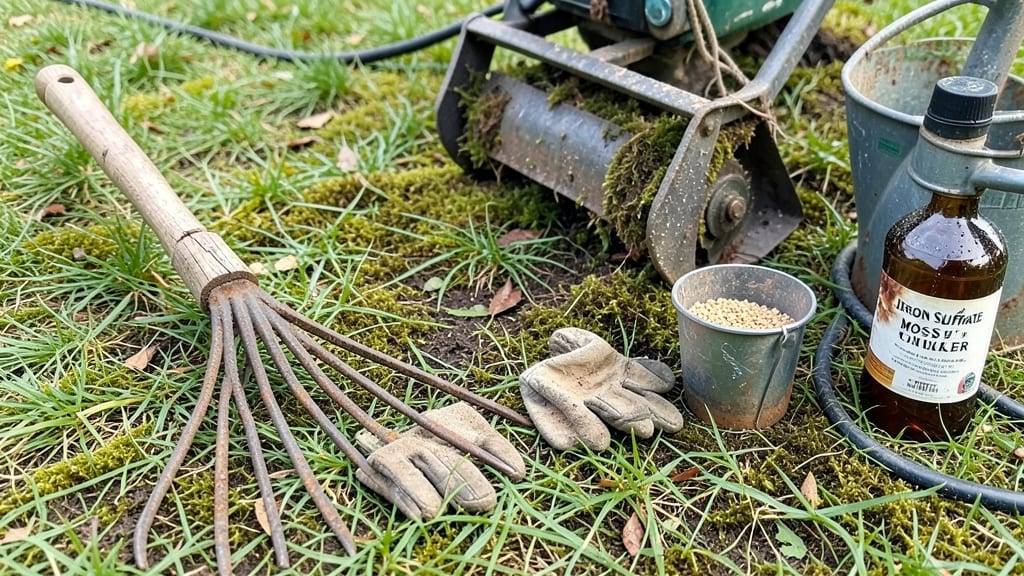
Your lawn’s spongy, slippery patches aren’t just unsightly—they’re stealing nutrients from your grass. 🌱 Removing moss from grass lawns doesn’t require harsh chemicals or expensive tools. After years of battling this sneaky problem, I’ve perfected a natural scrubbing method that restores vibrant green within hours, not weeks.
The secret? A simple mix of baking soda, dish soap, and a stiff-bristle broom—no fancy equipment needed. Most people make it harder than it is by overwatering or ignoring soil pH first.
My approach targets the moss while prepping the lawn for grass to reclaim its space. You’ll see results after just one session, and your lawn will stay healthier long-term.
By the end of this process, you’ll have a lawn that feels firm underfoot and looks uniformly green—no more patchy, slimy spots. The best part? This method works on any grass type, from fescue to Kentucky bluegrass, and won’t harm beneficial soil microbes.
Think of it as a spa day for your lawn.
We’ll also cover how to prevent moss from creeping back, because the real victory is keeping your lawn lush and moss-free for seasons to come. No more guessing—just a straightforward, nature-friendly solution that actually works.
The Hidden Triggers Behind Moss
Moss isn’t just an unsightly lawn pest—it’s a sign your grass is struggling to thrive. Understanding the root causes (literally and figuratively) is key to preventing it long-term. Below, we break down the science behind why moss takes over, so you can tackle the problem at its source.
Moss thrives where water pools, and grass hates soggy conditions. Here’s why: - Compacted Soil: Heavy foot traffic, machinery, or clay-heavy soil crushes air pockets, preventing water from draining.
Moss, with its shallow root system, soaks up excess moisture while grass roots suffocate. - Low-Grade Slopes: Even slight inclines can cause water to pool in low spots, creating ideal moss habitats.
A 2–5% slope is often enough to redirect water away from problem areas. - Clay or Sandy Soil: Clay holds water like a sponge, while sandy soil drains too quickly—both extremes stress grass but favor moss. A soil test can reveal if your lawn’s texture is the culprit.
Actionable Fix: Aerate compacted areas in fall or early spring, then top-dress with compost to improve drainage. For slopes, install French drains or redirect downspouts.
Grass needs 4–6 hours of direct sunlight daily to photosynthesize and outcompete moss.
In shade: - Weakened Grass: Shady lawns grow thin, leaving bare patches where moss moves in. - Acidic Soil: Decaying leaves and organic matter in shade lower soil pH, creating acidic conditions moss loves (ideal pH for moss: 4.5–5.5; for grass: 6.0–7.0). - Slow Decomposition: Organic debris in shade breaks down slowly, smothering grass roots.
Actionable Fix: Choose shade-tolerant grasses like fine fescue or creeping red fescue. Thin tree canopies in winter to boost sunlight, or overseed with clover for nitrogen-rich ground cover.
Moss adores acidic soil, while most grasses prefer neutral to slightly alkaline conditions.
Causes of high acidity: - Organic Debris: Fallen leaves, pine needles, or compost piles lower pH over time. - Poor Fertilization: Overusing nitrogen (especially in ammonium form) or lacking lime can acidify soil. - Natural Soil Composition: Peat or volcanic soils are inherently acidic.
Actionable Fix: Test your soil’s pH (kits cost $10). If below 6.0, apply pelletized lime in fall (follow package rates). Avoid pine mulch near lawn edges—opt for cedar or hardwood instead.
Moss spreads via spores, which land and germinate where grass is weak.
Common reasons grass fails: - Disease or Pests: Fungal infections (like brown patch) or grubs weaken roots, leaving gaps. - Over/Under-Watering: Too much water drowns roots; too little stresses grass. - Poor Mowing Habits: Cutting too short (below 2–3 inches) exposes soil to moss spores.
Actionable Fix:
- Overseed bare spots with a high-quality grass blend (e.g., Kentucky bluegrass + perennial ryegrass).
- Adjust mowing height to 3–4 inches to shade out moss.
- Treat diseases early with fungicides (like propiconazole) if fungal spots appear.
A light layer of leaves or mulch feeds soil, but thick layers block sunlight and air:
- Leaf Litter: More than ½ inch of leaves blocks grass growth, creating a moss-friendly microclimate.
- Thatch Buildup: A thatch layer >½ inch traps moisture and blocks roots (moss’s dream).
- Improper Mulching: Wood chips or straw near lawn edges can spill over, suffocating grass.
Actionable Fix:
- Rake leaves into piles for compost or remove them entirely.
- Dethatch in early spring if thatch exceeds ½ inch (use a vertical mower or rake).
- Edge mulch beds with landscape fabric to prevent spillover.
Moss loves consistent moisture and cool temps—think Pacific Northwest or northern states. Even in warmer climates:
- Morning Dew: Prolonged dampness (like in humid climates) keeps moss spores active.
- Winter Lawns: Dormant grass in winter leaves soil vulnerable to moss invasion.
Actionable Fix:
- Improve airflow with proper mowing and aeration.
- Water deeply but less frequently (1–1.5 inches per week) to encourage deep grass roots.
- Use a pre-emergent in early spring (like corn gluten meal) to inhibit moss spores.
Pro Tip 💡: Combine fixes for best results—e.g., aerate + lime + overseed in one season. Moss won’t stand a chance when grass gets the upper hand!
Quick Fixes for a Moss-Free Lawn
Moss may feel like an inevitable part of a shady lawn, but with the right approach, you can banish it—without harsh chemicals or backbreaking labor. Below, we’ve mapped out practical, cause-based solutions to tackle moss at its root (literally) and restore your grass to its lush best.
Plus, we’ll share prevention tips to keep moss from creeping back.
Moss thrives where grass struggles—think dense, poorly aerated soil with low sunlight. If your lawn is mostly shade, the key is improving soil health and airflow.
How to Fix It:
- 🔥 Aerate First – Rent a core aerator (or hire a pro) to pull out small soil plugs, allowing water, air, and nutrients to penetrate. Do this in early fall or spring when grass is actively growing.
- 🍳 Top-Dress with Sand or Compost – After aerating, spread a ½-inch layer of coarse sand or compost over the lawn. This loosens compaction and adds organic matter to crowd out moss.
- 👨🍳 Overseed with Shade-Tolerant Grass – Choose varieties like fine fescue, creeping red fescue, or Kentucky bluegrass that thrive in low light. Spread seed immediately after aerating and top-dressing.
- ⏰ Water Deeply but Less Often – Moss loves moisture. Train your lawn to develop deep roots by watering deeply 2–3 times per week (1–1.5 inches per session) instead of daily light sprinkles.
💡 Pro Tip: If your soil is extremely compacted, consider a sand-and-soil mix (like 50/50) for better drainage. Test your soil’s pH too—moss prefers acidic soil (pH 4.5–5.5). If yours is below 6.0, add lime to raise the pH.
Moss spreads where grass can’t compete—thin, weak patches or areas with blocked airflow. If your lawn is overgrown or smothered, moss will take over.
How to Fix It:
- 🔪 Trim Overhanging Trees/Branches – Even 5–10% more sunlight can help grass outcompete moss. Use pruning shears or a hedge trimmer to open up the canopy.
- 🌡️ Improve Air Circulation – If your yard has tight spaces between structures, moss will thrive. Consider removing debris, trimming bushes, or installing a small fan (for severe cases) to keep the area dry.
- ✨ Mow Higher in Shady Areas – Set your mower to 3–4 inches in low-light zones. Taller grass shades out moss and develops deeper roots.
🎯 Prevention Hack: Install reflective mulch (like white gravel) near shady edges to bounce extra light onto the lawn.
Moss loves wet conditions, whether from poor drainage, frequent rain, or overwatering. If your lawn stays soggy, moss will move in like an uninvited houseguest.
How to Fix It:
- 🚿 Check Your Irrigation – Are you watering too often? Moss thrives with constant dampness. Switch to deep, infrequent watering (early morning is best).
- 🔧 Fix Drainage Issues – If water pools in low spots, grade the area slightly (¼ inch per foot) or install French drains to redirect water.
- 🌧️ Use a Rain Barrel or Swales – For heavy rainfall areas, divert water away from the lawn using swales (shallow trenches) or rain gardens to absorb excess moisture.
💡 Quick Fix: Sprinkle dry sand or horticultural grit over mossy patches to improve drainage while you work on long-term solutions.
Once moss takes hold, you’ll need to physically remove it before treating the underlying cause. Here’s how to scrub it away without harming grass.
How to Fix It:
- 🧹 Rake or Scrub Manually – Use a stiff-bristle lawn rake or a scrub brush to loosen and pull moss from the grass. Work in small sections for best results.
- 🔥 Solarize (For Stubborn Moss) – On a sunny day, lay clear plastic sheeting over mossy areas for 4–6 weeks. The heat kills moss and weeds without chemicals.
- 🍳 Vinegar Spray (Spot Treatment) – Mix 1 gallon white vinegar + 1 cup dish soap in a spray bottle. Test a small area first—vinegar can kill grass if overused. Spray mossy patches, then rinse with water after 30 minutes.
⚠️ Warning: Avoid bleach or synthetic herbicides—they can burn grass and harm the environment.
Once moss is gone, keep it from returning with these low-maintenance strategies:
| Problem | Solution | When to Do It |
|---|---|---|
| Shady soil | Overseed with shade grass + lime | Early fall or spring |
| Compacted soil | Aerate + top-dress with sand/compost | Fall or early spring |
| Poor drainage | Grade lawn or install French drains | Dry season (avoid rain) |
| Overwatering | Adjust sprinkler schedule | Spring/fall |
| Thin grass patches | Fertilize with slow-release nitrogen | Early spring |
🌟 Bonus Tip: Walk on your lawn less—foot traffic compacts soil, inviting moss. Use garden paths in high-traffic areas.
By tackling the root causes (literally!) and using natural, grass-friendly methods, you can transform a mossy lawn into a lush, green carpet—without toxic chemicals. Start with one fix at a time, and soon, you’ll wonder why you ever let moss take over!
Frequently asked questions about lawn moss removal
Why does moss grow in my grass even after I mow regularly?
Moss thrives where grass struggles, often due to shade, poor drainage, or compacted soil. Regular mowing alone won't fix these issues—you'll need to improve sunlight exposure (trim overhanging branches), aerate the soil, and adjust watering habits to encourage deep grass roots. Tall grass (3-4 inches) actually helps shade out moss in shady areas!
Is it safe to use vinegar to kill moss in my lawn?
Vinegar can work for spot treatments, but use it carefully! Mix 1 gallon white vinegar + 1 cup dish soap and test on a small area first—it can burn grass if overapplied. For large areas, manual raking or solarization (clear plastic sheets) are safer long-term solutions that won't harm your lawn. Always rinse after 30 minutes if using vinegar.
How often should I aerate my lawn to prevent moss?
Aerate once a year in early fall or spring when grass is actively growing. This breaks up compacted soil, allowing water and nutrients to reach grass roots. For moss-prone areas, consider aerating twice a year (fall and spring) combined with overseeding. The key is timing—don't aerate when soil is waterlogged or frozen.
Will lime really help get rid of moss in my lawn?
Moss loves acidic soil (pH 4.5-5.5), while grass prefers neutral pH (6.0-7.0). Test your soil first—if below 6.0, apply pelletized lime in fall according to package instructions. This raises pH, creating conditions where grass can outcompete moss. Just avoid lime if your soil is already alkaline (pH above 7.0).
Can I use commercial moss killers without harming my grass?
Most commercial moss killers contain iron sulfate or ferrous ammonium sulfate, which are selective and won't harm grass when used correctly. However, they work best on dry days and may require multiple applications. For a natural alternative, try the baking soda scrub method (1 cup baking soda + dish soap + stiff broom) which is safer for pets and wildlife. Always follow label instructions!