
Lawn
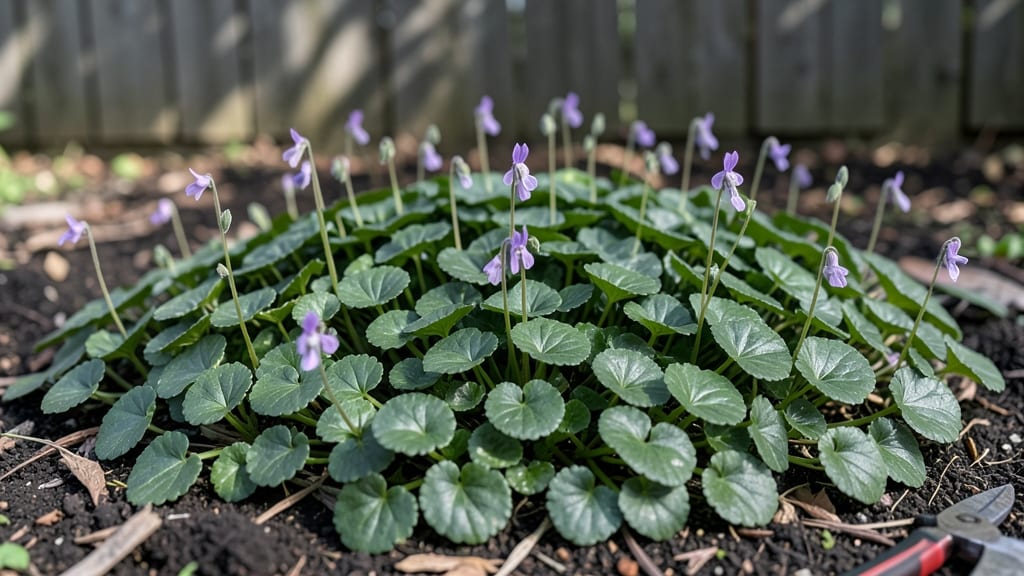
This grass runners weed, Creeping Charlie, is the lawn invader that refuses to stay suppressed—until you know its tricks. 🌱 I’ve spent years battling this stubborn ground cover, and the secret isn’t brute force but smart timing and targeted methods that actually work.
Most people pull it by hand and watch it bounce back within weeks, but there’s a better way.
The problem starts with its aggressive runners, which spread faster than crabgrass and root deeply. It thrives in shady, moist spots where grass struggles, and once it takes hold, it crowds out everything else. The good news?
You don’t need harsh chemicals to beat it—just the right approach at the right time. I’ll show you how to starve it out, smother it naturally, and keep it from creeping back.
By late spring, you’ll see patches of green lawn reclaiming space where Creeping Charlie once ruled. The key is consistency—tackling it before it goes to seed and using methods that disrupt its growth cycle without harming your grass. No more losing ground to this persistent weed.
Works for shady lawns, garden edges, and even between patio stones. Let’s get that lawn back under control—without the chemicals.
Why it happens
If you’ve ever noticed patches of grass runners weed (like creeping Charlie or crabgrass) creeping into your lawn, you’re not alone. These tough, invasive plants don’t just appear out of nowhere—they thrive because of specific conditions in your yard.
Understanding why they take hold is the first step to keeping them at bay naturally. Let’s break down the science behind their persistence.
🌱 Soil Compaction and Poor Drainage
Grass runners weed often flourish in compacted or poorly drained soil because they can exploit weak spots where turfgrass struggles. Here’s why:
- Root Suffocation: Compacted soil prevents water and oxygen from reaching grass roots, while weeds like creeping Charlie have shallow, aggressive roots that spread horizontally. They thrive in the topsoil where moisture lingers.
- Waterlogging: Areas with poor drainage create soggy conditions. Many weeds, including crabgrass, germinate quickly in damp soil, outcompeting slow-growing lawn grasses.
- Actionable Fix: Aerate your lawn in spring or fall to relieve compaction. Use a core aerator to pull out small soil plugs, then top-dress with compost to improve drainage and root health.
🌿 Thin or Dormant Turfgrass
Weeds love bare spots—whether from thinning grass, foot traffic, or seasonal dormancy. Here’s the breakdown:
- Sunlight Advantage: Weeds like grass runners weed (e.g., clover or chickweed) germinate rapidly in open areas where they soak up sunlight, crowding out slow-growing turf.
- Seasonal Weakness: During heatwaves or drought, lawn grasses go dormant, leaving gaps for weeds to invade. Even a 10% bare spot can become a weed hotspot.
- Actionable Fix: Overseed thin areas with a shade-tolerant or drought-resistant grass blend in early fall. Keep soil moist until germination (about 14–21 days).
🌞 Excessive Sun or Shade Imbalance
Weeds adapt to light conditions that favor their growth over turfgrass. The mismatch often stems from:
- Full-Sun Weeds: Crabgrass and nutsedge thrive in hot, sunny spots where turfgrass may struggle. Their seeds lie dormant in the soil until temperatures rise above 55°F (13°C).
- Shade-Loving Invaders: Creeping Charlie and moss dominate in low-light areas where fescue or bluegrass can’t compete. These weeds photosynthesize efficiently in dim conditions.
- Actionable Fix:
- For sunny areas: Pre-emergent herbicides (natural options like corn gluten meal) applied in early spring can block weed seeds.
- For shady spots: Plant shade-tolerant grasses like fine fescue or mix in ground covers like pachysandra to outcompete weeds.
🌠 Nutrient Imbalances in Soil
Weeds often exploit lawns with uneven nutrition. Here’s how:
| Weed Type | Why It Thrives | Soil Condition |
|---|---|---|
| Broadleaf weeds (e.g., dandelions) | Grow aggressively in nitrogen-rich soil, which turfgrass also needs—but weeds handle excess better. | Over-fertilized or manure-heavy soil |
| Grassy weeds (e.g., crabgrass) | Lack deep roots and rely on quick germination in disturbed, nutrient-poor topsoil. | Low organic matter or compacted layers |
| Moss | Flourishes in acidic, low-nitrogen soil where turfgrass can’t establish roots. | pH < 6.0 or waterlogged |
Actionable Fix: Test your soil pH and nutrient levels (DIY kits are affordable). Adjust with lime (to raise pH) or sulfur (to lower it), and fertilize with a slow-release, balanced formula (e.g., 10-10-10) in early spring and fall.
🌧️ Irrigation and Watering Habits
Overwatering or irregular watering creates the perfect breeding ground for weeds. Here’s how:
- Frequent Light Watering: Weeds like chickweed and speedwell thrive in moist, shallow soil. Shallow watering (e.g., daily sprinklers) keeps the topsoil damp, encouraging weed seeds to germinate.
- Deep but Infrequent Watering: While better for turf, it can still leave pockets of dry soil where weeds like crabgrass take root if not managed.
- Actionable Fix:
- Water deeply 1–2 times per week (1–1.5 inches per session) to encourage deep grass roots.
- Use a rain gauge or tuna can to measure water output—most sprinklers overapply.
- Water in the early morning to reduce evaporation and fungal risks.
🌱 Seed Spread and Human Activity
Weeds don’t just sprout—they hitchhike into your lawn. Common culprits include:
- Wind and Wildlife: Seeds from creeping Charlie or crabgrass travel on breezes or cling to animals. Even a single plant can produce thousands of seeds per season.
- Equipment and Clothing: Mowers, rakes, and shoes can transfer weed fragments or seeds from one area to another. A single pull of a weed can spread runners underground.
- Actionable Fix:
- Clean tools and shoes after working in infested areas (scrub with soapy water).
- Mow high (3–4 inches) to shade out weed seeds and reduce seed production.
- Remove weeds before they go to seed—hand-pull or smother with cardboard/mulch.
Practical Ways to Eliminate Stubborn Weeds
If grass runners weed (like creeping charlie or crabgrass) has taken over your lawn, don’t despair—there are natural, chemical-free solutions to reclaim your green space. The key is identifying the root cause (literally!) and applying targeted fixes.
Below, we break down the most common problems and their fixes, plus prevention tips to keep weeds at bay for good.
🔥 Overcrowded or Weak Grass: Strengthen Your Lawn
When grass is sparse or stressed, weeds like grass runners weed move in fast. The fix? Revitalize your turf so it outcompetes invaders.
✅ Step-by-Step Fix:
- 🌱 Aerate the Soil (Best in spring or fall)
- Rent a core aerator or use a manual spike aerator to punch holes in compacted soil. This lets air, water, and nutrients reach grass roots.
- Pro Tip: Do this after a light rain when soil is moist but not soggy.
- 💧 Water Deeply but Less Often
- Water lawns 1–1.5 inches per week (including rain), encouraging deep root growth. Shallow watering stresses grass, making it vulnerable to weeds.
- Best Time: Early morning (5–9 AM) to reduce evaporation and fungal risks.
- 🌿 Overseed Bare Spots
- Choose a dense, shade-tolerant grass mix (like fine fescue or Kentucky bluegrass) suited to your climate.
- Spread seed evenly, then lightly rake and top with a thin layer of compost.
- Keep Moist: Water daily for 2–3 weeks until seedlings establish.
- 🌱 Fertilize Smartly
- Use a slow-release, organic fertilizer (like compost or alfalfa meal) in early spring and fall.
- Avoid high-nitrogen fertilizers in summer—they promote leafy growth but weaken roots.
🍳 Soil Imbalance: Adjust pH and Nutrients
Weeds thrive in soil that’s too acidic, alkaline, or nutrient-poor. Test your soil (DIY kits cost ~$10) and amend as needed.
📊 Soil Test Fixes:
| Issue | Solution | Materials Needed |
|---|---|---|
| Too Acidic (pH < 6.0) | Sprinkle lime (calcium carbonate) in fall. Follow package rates. | Pelletized lime, garden gloves |
| Too Alkaline (pH > 7.5) | Work in sulfur or peat moss to lower pH gradually. | Elemental sulfur, compost |
| Compacted Soil | Mix in compost or sand (for heavy clay) to improve drainage. | Topsoil, compost, rake |
| Nutrient Deficiency | Top-dress with compost tea or worm castings for a nutrient boost. | Compost, aerator, hose (for tea) |
Pro Tip: 🌡️ Test soil every 2–3 years—conditions change over time!
👨🍳 Poor Maintenance Habits: Fix Your Routine
Skipping mowing, leaving clippings, or mowing too short creates the perfect weed haven. Adjust your lawn-care habits to starve out grass runners weed.
🔪 Mowing Do’s and Don’ts:
- ✅ Mow High: Set your mower to 3–4 inches in summer, 2.5–3 inches in cooler months. Taller grass shades out weeds.
- ✅ Bag Clippings (Sometimes): If clippings clump, bag them to prevent thatch buildup. Otherwise, leave them—they return nutrients!
- ✅ Sharpen Blades: Dull blades tear grass, stressing it. A sharp mower makes clean cuts that heal faster.
- ❌ Avoid Scalping: Never cut grass shorter than 2 inches, or you’ll invite weeds and soil erosion.
Quick Fix: 🕒 Mow Weekly—consistency prevents weeds from seeding.
🌱 Weed-Specific Attacks: Manual Removal
For stubborn grass runners weed like creeping charlie or crabgrass, physical removal works best when done early.
🔪 How to Pull Weeds Effectively:
- 🌿 Pull When Soil is Moist
- Weeds come out easier after rain or watering. Grab the entire root (use a weeding tool for deep roots).
- 🧹 Smother with Mulch or Cardboard
- Cover bare spots with cardboard + mulch or straw to block sunlight. Remove after 4–6 weeks and reseed.
- 💡 Vinegar Spray (Spot Treatment Only)
- Mix 1 gallon white vinegar + 1 oz dish soap in a spray bottle. Target weeds on sunny days (kills grass too—use carefully!).
Warning: ✨ Avoid Boiling Water—it can damage grass roots and harm beneficial soil microbes.
🛡️ Prevention: Keep Weeds From Returning
The best defense is a thick, healthy lawn. Here’s how to stay ahead:
- 🌱 Plant a Dense Grass Mix: Choose varieties resistant to your local weeds (ask at garden centers).
- 🕒 Stay Consistent: Mow, water, and fertilize on a schedule—weeds exploit neglect.
- 🌿 Hand-Pull Early: Remove weeds when they’re small (before they seed).
- 🔄 Rotate Solutions: Switch up methods (e.g., aerate one year, overseed the next) to prevent weed resistance.
- 🌍 Encourage Beneficial Microbes: Use compost or mycorrhizal fungi to boost soil health naturally.
With these targeted fixes, your lawn can crowd out grass runners weed without harsh chemicals. Start with one or two methods, track progress, and adjust as needed. A lush, weed-free lawn is closer than you think! 🌿✨
Frequently asked questions
What’s the best time of year to tackle creeping Charlie?
Late spring or early fall is ideal—when soil is moist but not frozen. This timing lets you pull weeds before they seed, while grass is actively growing. Avoid summer heat, which stresses plants and makes removal harder.
Will vinegar really kill creeping Charlie without harming grass?
Only if used carefully! A 1:1 vinegar-water mix with dish soap works on sunny days, but it’ll kill grass too. Spot-treat weeds in dry conditions, and avoid spraying near desired plants. For shady lawns, try hand-pulling instead.
How long does it take to eliminate creeping Charlie for good?
Consistency is key—most people see improvement in 3-6 months with regular pulling and smothering. The runners regrow if roots remain, so repeat treatments until the soil stays weed-free. Combine with overseeding for best results.
Can I use corn gluten meal to prevent creeping Charlie?
Yes! Apply 20 lbs per 1,000 sq ft in early spring before weeds sprout. It blocks seed germination naturally, but won’t kill existing plants. Reapply annually for prevention—it’s safer than chemicals but requires timing.
Why does creeping Charlie keep coming back after I pull it?
It spreads via underground runners—even tiny root fragments regrow. Always pull the entire root (use a weeding fork for stubborn patches) and smother bare spots with cardboard/mulch. Repeated treatments break its cycle.