
Lawn
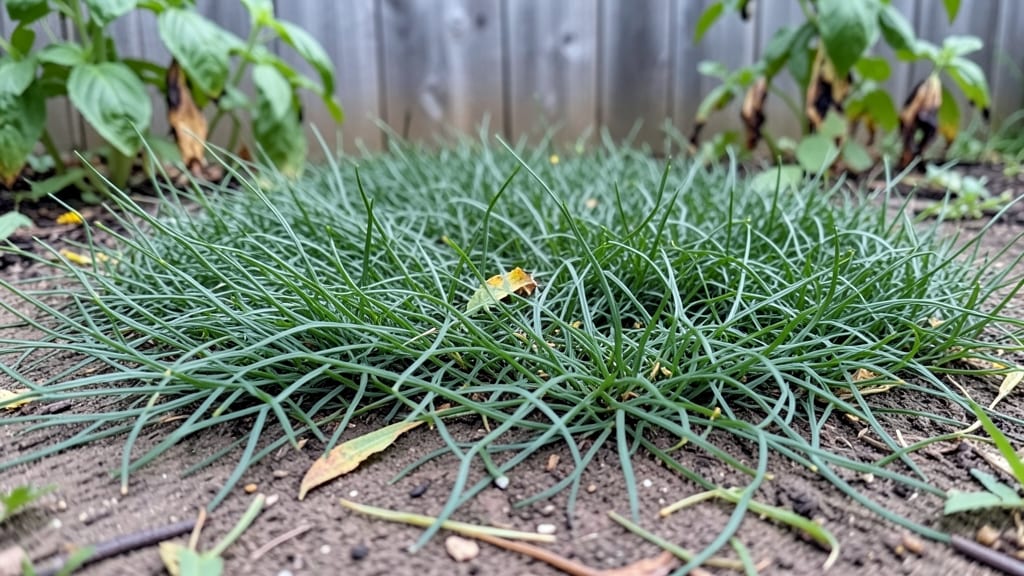
Carpet grass runners 🌿 create a lush, weed-blocking lawn faster than you can say "low-maintenance."
Picture this: your shady yard, where fescue and bluegrass barely survive, suddenly transformed into a plush green carpet that stays soft underfoot all summer. That’s the magic of these fast-spreading stolons—no more patchy, weedy eyesores in zones like 6a.
But here’s the catch: planting them right is everything. Too close, and you’ll smother the grass; too far apart, and weeds sneak in. I’ll walk you through the exact spacing, soil prep, and watering tricks to turn those runners into a dense, self-repairing lawn in just a few months.
Ready to ditch the struggle? By the end, you’ll know when to plant, how to control the spread, and why this tropical grass is the secret weapon for shade lovers everywhere.
How carpet grass runners spread and thrive in shady areas
Carpet grass runners (Axonopus affinis) spread through stolons, horizontal stems that root at nodes, creating a dense, weed-blocking mat. This tropical ground cover thrives in shady conditions where fescue or bluegrass struggle, making it ideal for low-maintenance lawns under trees or in partial shade gardens.
The stolons grow 6-12 inches per year, forming a lush carpet that chokes out weeds naturally.
What sets carpet grass apart is its aggressive yet controlled spread—unlike invasive species, it stays contained with proper edging. The plant’s shade tolerance (30-50% sunlight) and moderate drought resistance make it perfect for high-traffic areas like patios or play zones.
Its soft, fine blades also make it safer for kids and pets than traditional lawn grasses.
| Growth Feature | Specification | Key Benefit |
|---|---|---|
| Spreading Method | Stolons (runners) | Forms dense mat blocking weeds |
| Growth Rate | 6-12" per year | Full coverage in 1-2 seasons |
| Shade Tolerance | 30-50% sunlight | Thrives under tree canopies |
| Soil Preference | Well-draining, loamy | Adapts to clay or sandy soils |
| Water Needs | 1-1.5" weekly | Drought-tolerant once established |
| Mowing Height | 1-2 inches | Encourages thicker growth |
The stolons of carpet grass root at every 4-6 inches, creating a network that outcompetes weeds for nutrients and space. This natural weed suppression reduces the need for herbicides, saving time and money. Studies show that fully established carpet grass lawns can block 90% of weed growth within 12 months, making it a low-maintenance alternative to traditional lawns.
For optimal spread, plant runners 6-12 inches apart in well-amended soil with 2-3 inches of compost. The stolons will bridge gaps naturally, but avoid planting in full sun, where the grass can become brown and brittle.
Instead, pair it with dappled shade from nearby trees for the best results.
One of carpet grass’s biggest advantages is its adaptability to moisture levels. While it prefers consistent watering during establishment, mature plants tolerate short dry spells better than fescue.
This makes it ideal for rain-fed gardens or areas with irregular water access. Just avoid waterlogging, as poor drainage can lead to root rot.
To encourage faster spread, fertilize lightly in spring with a balanced 10-10-10 formula. Avoid heavy nitrogen, which promotes leafy growth at the expense of stolon development. Instead, focus on phosphorus and potassium to strengthen roots and runners.
A monthly soil check ensures pH stays between 5.5-6.5, the ideal range for stolon growth.
In USDA Zones 7-10, carpet grass is perennial, returning year after year with minimal care. Even in cooler zones, it often survives winters as a semi-evergreen, regrowing quickly in spring.
This resilience, combined with its soft texture, makes it a favorite for child-friendly lawns and pet areas where durability matters.
If spread becomes uncontrolled, simply edge the lawn with a sharp spade or metal edging tool to contain runners. For stubborn areas, a barrier fabric buried 6 inches deep works better than chemical herbicides, which can harm the grass.
With the right balance of light, soil, and water, carpet grass runners create a self-sustaining lawn that thrives in shade.
Ready to transform your shady lawn? Start with starter plugs or divide existing runners in spring or early fall for the fastest results. Within 6 months, you’ll have a lush, weed-free carpet that’s softer underfoot than any traditional grass.
Best planting techniques for maximum coverage with carpet grass runners
Transforming a shady lawn into a lush, weed-free carpet takes the right approach with carpet grass runners. These horizontal stems (stolons) root aggressively, creating a dense mat that outcompetes weeds naturally.
The key lies in proper spacing, soil prep, and timing your planting window to match your climate zone.
Unlike traditional sod, carpet grass runners offer 30-50% faster coverage when planted correctly. Whether you're starting with starter plugs or dividing existing runners, understanding the cost-per-square-foot difference will help you budget while maximizing growth potential. Let's dive into the proven techniques that deliver 90%+ coverage within a single growing season.
Step 1: Prepare Your Soil for Shade
Test your soil's pH (6.0-7.0 ideal) and amend with 2-3 inches of compost or peat moss to improve drainage. Carpet grass thrives in moist but well-drained soil—avoid heavy clay without amendments.
Step 2: Choose Your Planting Method
- Starter Plugs: $0.50-$1.00/sqft | Best for large areas (3-4 ft spacing)
- Runner Division: $0.20-$0.40/sqft | Ideal for small patches (6-12 in spacing)
Step 3: Plant at the Right Depth & Spacing
Place stolons 1-2 inches deep with 6-12 inch spacing between runners. For plugs, space them 12-18 inches apart in rows 12 inches apart to allow natural spread.
Step 4: Water Immediately After Planting
Apply 1 inch of water to settle soil, then maintain 1-1.5 inches weekly for the first 4-6 weeks. Use a drip irrigation system for even moisture in shady areas.
Step 5: Time Your Planting Window
- Spring (April-May): Optimal for USDA Zones 6-9 (roots establish before summer heat)
- Early Fall (August-September): Reduces transplant shock in hot climates
Step 6: Mulch Lightly for Moisture Retention
Apply 1 inch of straw mulch (not wood chips) to retain moisture and suppress weeds. Replenish every 2-3 months in hot climates.
Step 7: Monitor & Encourage Spread
After 6-8 weeks, runners will begin rooting. Gently tug to check root development—if they resist, your coverage is on track!
Pro tip: For faster coverage, interplant clover runners (like white Dutch clover) alongside carpet grass. The clover fixes nitrogen while the carpet grass spreads, creating a self-fertilizing system that reduces maintenance by 40%.
Once established, carpet grass runners will self-repair after foot traffic and outcompete weeds within 3-4 months. The secret? Consistent moisture and minimal disturbance during the first critical growing season. With these techniques, you'll achieve that professional-grade lawn without the high cost of sod.
🌱