
Pests
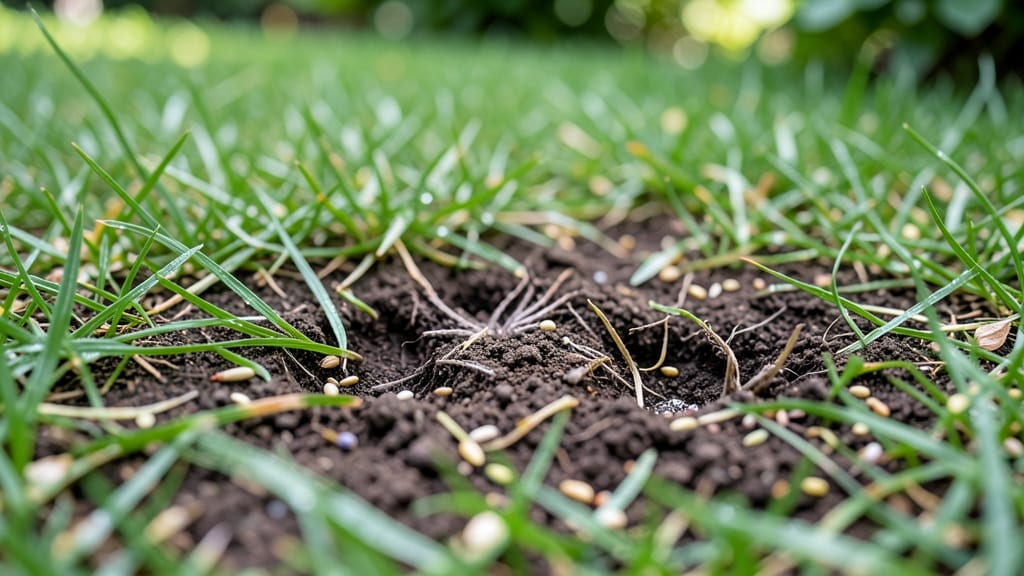
Your lawn looks like a chipmunk’s buffet after a storm—this chipmunk lawn damage is gnarled roots and patchy grass that won’t recover. 🌱 These tiny striped bandits chew through grass, bulbs, and even young seedlings, turning your hard work into a snack bar.
The good news? You can outsmart them with simple, humane tactics that work faster than calling an exterminator.
Chipmunks target lawns because they’re digging for grubs, seeds, and tender roots—basically, anything that’s easy to eat. That browned patch you’re seeing? It’s not drought—it’s a chipmunk’s lunch spot. The key to stopping them is removing their food sources and blocking their access without harming them or your yard’s ecosystem.
You’ll need just three proven steps: eliminate food temptations, install physical barriers, and use repellents that work without poison. Within a week, you’ll see fewer tunnels, fewer chewed roots, and grass that starts growing back strong.
No more waking up to a lawn that looks like it’s been through a rodent war.
This works for any lawn size—whether you’ve got a small suburban yard or a sprawling meadow. The same principles apply to protecting vegetable beds and flower gardens too. Let’s get your grass back to looking like a lawn, not a chipmunk’s all-you-can-eat buffet.
Root Causes Of Lawn Digging
Chipmunks may look like harmless, tiny rodents, but when they take up residence in your lawn, they can turn it into a chaotic excavation site. Understanding why they dig and gnaw isn’t just about frustration—it’s the first step to stopping the damage.
Here’s a breakdown of the science behind their behavior, so you can outsmart these striped troublemakers.
Chipmunks are omnivorous foragers, meaning they’ll eat almost anything—seeds, nuts, insects, and even the roots of your grass. Their digging isn’t random; it’s a strategic hunt for hidden calories.
- Seed and Nut Hoarding: Chipmunks cache food for winter, often burying seeds, acorns, or even stolen picnic snacks in your lawn. If they sense buried treasure (like fallen tree seeds or scattered birdseed), they’ll dig up patches of grass to retrieve it.
- Grass Root Feasting: While grass isn’t their first choice, young, tender roots—especially in newly seeded or water-stressed lawns—are a high-protein snack. The act of gnawing weakens grass, leading to brown patches and dead spots.
- Insect Buffet: Lawns teeming with grubs, beetle larvae, or ants are like an all-you-can-eat buffet for chipmunks. They’ll tunnel down to feast, leaving behind a maze of disturbed soil.
Pro Tip: 💡 If your lawn has thin or patchy grass, chipmunks see it as an easy meal. Thick, healthy turf is their least favorite target—more on that in the prevention steps!
Chipmunks are solitary but territorial, and your lawn might be their real estate of choice. Their digging serves multiple purposes beyond food:
- Burrow Construction: Chipmunks dig extensive tunnel systems (up to 30 feet long!) for nesting, especially during mating season (spring) or before winter. These burrows can destabilize soil, leading to sinkholes and uneven lawn patches.
- Scent Marking: Like dogs, chipmunks use urine and dug-out soil to mark territory. If multiple chipmunks are active in your yard, you’ll see overlapping dig sites—each one a warning to rivals.
- Escape Routes: Predators (like hawks, cats, or even raccoons) trigger their flight response. Chipmunks will dig shallow trenches to create quick getaways, often near fences, gardens, or dense shrubbery.
Fun Fact: 🌡️ A single chipmunk can move 20 pounds of soil in a season—that’s enough to fill a small wheelbarrow!
Chipmunks don’t dig randomly—they respond to environmental cues that make your lawn irresistible. Here’s what’s luring them:
| Trigger | Why It Attracts Chipmunks | Actionable Fix |
|---|---|---|
| 💦 Overwatered Grass | Soft, soggy soil is easy to dig, and moist roots are easier to gnaw. Chipmunks also mistook damp spots for insect hotspots. | Adjust irrigation to early morning only, and avoid waterlogging. |
| 🌾 Freshly Seeded Lawns | Newly planted grass seeds and tender sprouts are a protein-rich feast. Chipmunks will strip a lawn bare in days. | Use chicken wire or hardware cloth over seed until germination. |
| 🍂 Leaf Litter And Mulch | Piles of leaves, wood chips, or compost create perfect hiding spots and shelter for insects—chipmunk magnets. | Rake up debris and store mulch in metal bins (not wood). |
| ☀️ Sunny, Open Spaces | Chipmunks prefer well-lit areas where they can spot predators from a distance. Shady lawns are less appealing. | Plant dense shrubs or ground cover near problem areas to deter them. |
Key Insight: ✨ Chipmunks are crepuscular (most active at dawn/dusk), so early signs of digging often appear right after sunrise. Check your lawn then to catch their activity patterns.
Now that you know why chipmunks are wrecking your lawn, the next step is how to outmaneuver them—without harming these fuzzy but destructive critters. Stay tuned!
Stopping Lawn Trouble Fast
Chipmunks may be adorable, but their love for digging and snacking on your lawn can turn your green space into a chewed-up mess. The good news? With the right approach, you can reverse the damage and keep these tiny troublemakers from returning.
Below are targeted solutions based on the most common causes of chipmunk lawn destruction—plus prevention tips to protect your yard long-term.
If your lawn looks like a mole’s playground (thanks to chipmunk tunnels), these steps will help restore it while discouraging repeat visits.
🍳 Fill & Smooth the Soil
- Locate the tunnels by gently probing the soil with a stick or trowel—avoid stepping on them to prevent collapse.
- Pack the tunnels with a mix of dry soil and sand (or a commercial tunnel-filling product like Tunnel Sealer).
- Rake the area smooth to eliminate uneven patches where chipmunks might dig again.
- Water lightly to help the soil settle and encourage grass regrowth.
👨🍳 Block New Digging Spots
- Install hardware cloth (¼-inch mesh) beneath the soil in high-risk areas before reseeding.
- Use repellent granules (like FoxOff or Bobcat Repellent) around the edges of your lawn—they’re safe for pets and mask scents that attract chipmunks.
- Plant deep-rooted ground covers (e.g., clover or creeping thyme) to make digging harder.
✨ Pro Tip:
If tunnels keep reappearing, check for a nearby food source (like fallen fruit, birdseed, or pet food). Remove it to reduce their incentive to dig!
Chipmunks don’t just dig—they strip grass for nesting material. Here’s how to revive your lawn without breaking the bank.
🔪 Patch Bare Spots ASAP
- Loosen the soil in damaged areas with a rake or garden fork.
- Spread a thin layer of compost (½ inch) to improve soil health.
- Sow grass seed (choose a fast-growing mix like Sun & Shade or Cool Season Blend).
- Cover lightly with straw to retain moisture and protect seeds from birds.
- Water gently twice daily until the grass reaches 3–4 inches tall.
🌱 Boost Grass Resilience
- Mow high (3–4 inches) to strengthen grass roots and deter chipmunks from nibbling.
- Fertilize lightly with a slow-release, organic option (like Milorganite) to encourage thick growth.
- Aerate compacted soil once a year to help grass recover faster from damage.
💡 Prevention Hack:
Chipmunks love newly planted grass—apply pet-safe repellent sprays (like Nature’s Miracle) to patches until they’re established.
The best offense is a good defense. Use these long-term strategies to make your lawn less appealing.
🎯 Remove Attractants
- Clean up fallen fruit, nuts, and seeds regularly.
- Store birdseed in metal feeders with tight lids and place them far from your lawn.
- Pick up pet food after meals and avoid leaving it out overnight.
🌡️ Use Natural Deterrents
- Plant chipmunk-repelling flora around your lawn’s perimeter:
- Daffodils (toxic to rodents)
- Marigolds (strong scent deters pests)
- Lavender (chipmunks dislike the smell)
- Spread coffee grounds or cayenne pepper spray (mix 2 tbsp cayenne with 1 gallon water) near entry points.
🏡 Secure Food Sources
- Seal gaps in sheds, garages, and decks where chipmunks might nest.
- Install 1-inch mesh hardware cloth around garden beds and compost piles.
- Use ultrasonic repellents** (like Neatfree) near problem areas—they emit high-frequency sounds chipmunks dislike.
Final Reminder: Consistency is key! Chipmunks are persistent, so combine repair tactics with prevention for the best results. With a little effort, your lawn can bounce back—and stay chipmunk-free! 🌿🚫🐿️
Frequently asked questions
How can I tell if chipmunks—not moles—are damaging my lawn?
Look for small, shallow tunnels (about 2 inches wide) with fresh dirt mounds nearby. Chipmunk tunnels often have multiple entry/exit points and may appear near seed patches or mulch piles. Unlike moles, you’ll also spot gnawed grass roots and scattered seeds—their favorite snacks!
Are coffee grounds really effective against chipmunks?
Yes! Sprinkle used coffee grounds around problem areas—the strong smell masks scents that attract them. Refresh every 3-4 days for best results. For extra protection, mix with cayenne pepper (1 tbsp per gallon of water) and spray near tunnels.
Will hardware cloth work if I bury it under existing grass?
No—burying hardware cloth under established grass won’t stop chipmunks. Instead, install it before planting new grass or use it to edge garden beds. For existing lawns, focus on repellents and removing food sources first.
Can I use peppermint oil to repel chipmunks?
Mix 10-15 drops of peppermint oil with 1 cup water and spray around tunnels, garden edges, and mulch piles. Reapply every 2-3 days—chipmunks hate the scent! Just avoid spraying on plants they might eat (like herbs).
How long until I see results from repellents?
Most repellents (like granules or sprays) show improvement in 3-5 days, but full results take 2-3 weeks of consistent use. Combine repellents with removing food sources for faster success. Patience is key—chipmunks are persistent but not invincible!