
Lawn
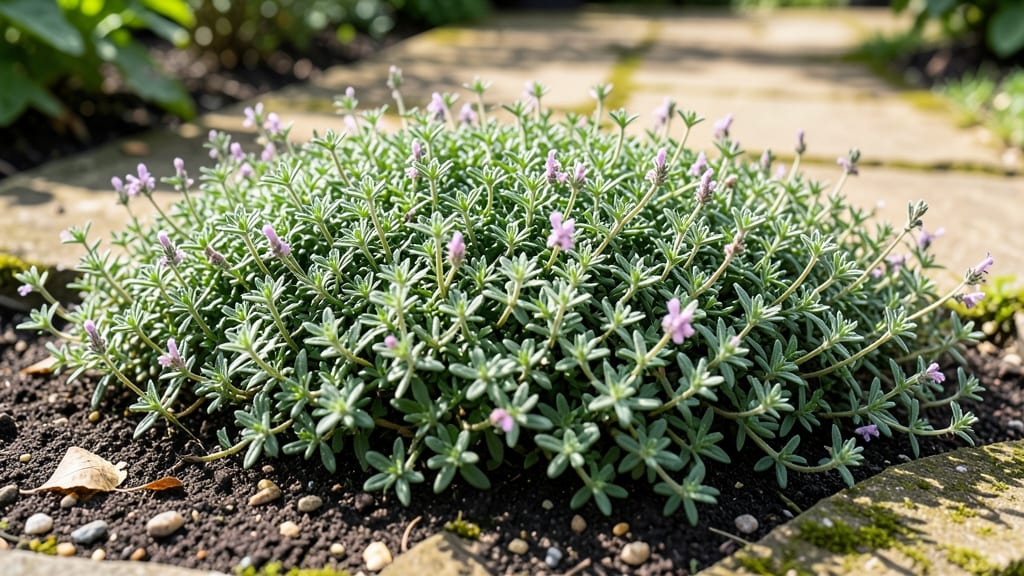
Creeping thyme lawns stay green when most grass turns brown. 🌿 I’ve watched mine survive winters in Zone 5 with almost no care—just a few simple tweaks to keep it looking its best through frost and snow. The secret is understanding thyme’s natural dormancy cycle.
When temperatures drop below 20°F, it slows down but doesn’t die. A light layer of mulch (like straw) protects tender new growth, while avoiding heavy snow buildup prevents smothering. Watering only when the ground feels dry keeps roots from heaving out of the soil.
By spring, your thyme lawn will bounce back faster than grass—often greening up 2-3 weeks earlier. The fragrance alone makes winter walks worth it, and the dense mat crowds out weeds effortlessly. For best results, skip fertilizing in fall and avoid mowing after mid-October.
Let the stems stay slightly longer to insulate the crown through cold snaps. Simple adjustments mean a lush, fragrant lawn ready for summer.
📚 In This Guide
- What you need
- Instructions
- Tips and common mistakes
- Wrapping up and next steps
What you need
- ● Creeping thyme plants: 20–30 plants per 100 sq. ft. (choose Thymus serpyllum or Thymus praecox for best cold hardiness). Look for healthy, well-established nursery starts or seeds for sowing.
- ● Well-draining soil: Amend heavy or clay soil with compost (1–2 inches mixed into the top 6 inches) and sand or perlite (1 part sand to 3 parts soil) to improve drainage.
- ● Garden rake: A sturdy, medium-tooth rake (like the Fiskars 12-inch Steel Rake) for leveling soil and removing debris.
- ● Garden hoe or spade: For digging small holes (3–4 inches deep) or marking planting lines.
- ○ Mulch (optional but recommended): Pine straw or shredded bark (2–3 inches thick) to protect thyme in harsh winters and suppress weeds.
- ● Watering can or hose with a gentle spray nozzle: Thyme needs consistent moisture during establishment but hates soggy roots.
- ● Organic fertilizer (low-nitrogen): A balanced 5-5-5 or 10-10-10 fertilizer (apply sparingly, ~½ lb per 100 sq. ft.) to avoid overfeeding.
- ● Edging tool or string trimmer: To define thyme borders neatly (especially if planting near sidewalks or driveways).
- ● Soil test kit: To check pH (ideal range: 6.0–7.0) and nutrient levels before planting.
- ● Drip irrigation system: For automated, low-pressure watering during dry spells.
- ● Landscape fabric: To block weeds before planting (lay under thyme for a cleaner look later).
- ● Winter protection: A lightweight frost cloth for young plants in extremely cold climates (Zone 4 or colder).
- ● Shears or string trimmer: For occasional trimming to maintain height (keep thyme 2–3 inches tall for best coverage).
Step-by-step guide to preparing your creeping thyme lawn for winter
Here’s how to keep your fragrant ground cover lush through cold months—no special supplies needed.
🌿 Step 1: Assess and Trim for Winter Readiness
Walk your thyme lawn and look for any browned or diseased patches. Creeping thyme is hardy but can weaken if overcrowded or stressed. Use clean, sharp shears to trim back any leggy growth by about one-third. This encourages denser, healthier regrowth in spring.
Focus on cutting just above the woody stems—never remove more than ⅓ of the plant in one go. You’ll see a tidier, more uniform look, and the plant will put energy into root development over winter. Avoid trimming after October 1st—new growth won’t harden off before frost.
☀️ Step 2: Adjust Watering for Cold Weather
Reduce watering as temperatures drop below 50°F. Creeping thyme is drought-tolerant, but winter moisture needs shift. Water deeply every 2-3 weeks until the top 2 inches of soil feel dry. Overwatering now risks root rot in cold, saturated soil.
Check soil moisture by pressing your finger into the ground—if it’s damp but not soggy, you’re good. Mulch lightly with 1 inch of shredded leaves or straw (if you have it) to insulate roots without smothering the plant. This prevents soil temperature swings that stress thyme.
✂️ Step 3: Clear Debris and Protect from Snow Mold
Rake away fallen leaves and debris before they smother the thyme. A thick blanket of leaves can trap moisture and invite snow mold, a fungal disease that turns foliage gray. Focus on areas where thyme grows close to sidewalks or driveways—these spots collect salt and debris first.
If your region gets heavy snow, gently brush it off thyme after storms. Too much weight can flatten stems, making spring recovery slower. A light dusting of dry compost (if available) adds nutrients without compacting the soil—just sprinkle and leave it.
🪴 Step 4: Monitor and Adjust for Early Spring Prep
Start checking thyme in late winter for signs of new growth. If you see tiny green shoots before your last frost date, it’s time to resume regular watering. Thyme wakes up early, and consistent moisture helps it establish quickly.
In early spring, apply a light layer of compost (if you have it) to replenish nutrients. Avoid fertilizers—they can burn tender new growth. You’ll notice fresh, vibrant foliage within 2-3 weeks if the winter care was spot-on.
Tips & tricks for perfect creeping thyme lawn winter care
Between us, these small adjustments make all the difference when your fragrant ground cover faces winter's challenges.
Timing is Everything: That October 1st deadline isn't arbitrary—it's when thyme stops hardening off. I learned this the hard way after trimming too late and getting frost damage on new growth. Mark your calendar and set a reminder to avoid this common mistake. The plant needs at least 4-6 weeks of cool weather to properly acclimate after any late-season trimming.
Soil Moisture Test: The finger-in-the-soil method works perfectly for thyme. Press your finger about 2 inches deep—if you feel dampness but not wetness, you're golden. I've seen gardeners overwater in winter because they assumed "drought-tolerant" meant "never water." The key is that 2-3 week interval only applies when temps stay below 50°F consistently. If we get a warm spell, adjust your watering schedule accordingly.
Mulch Smart: That 1-inch layer of shredded leaves or straw isn't just decoration—it's insulation. I've noticed the biggest difference in thyme health comes from this simple step. If you don't have mulch, even a light layer of pine needles works in a pinch. Just avoid compacting it against the stems, which can suffocate the plant. Think of it as a cozy blanket that keeps roots at a stable temperature.
Snow Removal Strategy: Here's what nobody tells you—don't brush snow off immediately after a storm. Wait until the snow has compacted slightly, then gently sweep it away. Fresh, fluffy snow can damage tender stems more than established plants. I've seen entire sections flattened by enthusiastic snow removal. If you must clear it, do it when the snow is at least partially melted and won't stick to the foliage.
Pro Tips for Creeping Thyme Lawn Winter
- Between us, these small adjustments make all the difference when your fragrant ground cover faces winter's challenges.
- Timing is Everything: That October 1st deadline isn't arbitrary—it's when thyme stops hardening off.
- Soil Moisture Test: The finger-in-the-soil method works perfectly for thyme.
Frequently asked questions
Got questions about keeping your creeping thyme lawn lush through winter? Here are answers to the most common ones—so you can relax and enjoy your hardy ground cover all year!
Does creeping thyme die in winter?
Not at all! Creeping thyme is a perennial that stays green in mild winters (USDA Zones 5-9) and turns brown but revives in spring. In colder zones (Zone 4), it may die back but regrows from the roots. Mulch lightly to protect it.
When should I mow creeping thyme before winter?
Skip mowing in fall—let it grow naturally to build winter hardiness. If it looks ragged, trim it back after the first frost (but never below 1 inch). Spring is the best time for shaping!
What’s the best alternative if creeping thyme doesn’t survive my winter?
Try sedum (like ‘Dragon’s Blood’), moss (for shady spots), or clover—all cold-tolerant ground covers. For sun-loving alternatives, ice plant or hen-and-chicks are great picks!
Why is my creeping thyme turning brown in winter?
Brown patches are normal! If it’s dry, water lightly (but avoid soggy soil). If it’s moldy, improve airflow. Wait until spring—it’ll bounce back. Pro tip: Avoid fertilizing in late fall to prevent winter stress.
Can I walk on creeping thyme in winter?
Yes, but tread lightly! While it’s dormant, heavy foot traffic can compact soil. Use stepping stones or a path to protect it. In spring, fluff the soil gently if it looks flattened.
Wrapping up and next steps
Creeping thyme isn’t just a resilient ground cover—it’s a year-round winner that turns your lawn into a lush, fragrant carpet, even in winter! 🌿 With minimal effort, you can enjoy its hardy beauty while reducing weeds and maintenance.
Whether you’re a seasoned gardener or just starting out, this tough little plant proves that low-maintenance doesn’t mean low-impact.
Ready to transform your outdoor space? Start small—plant a test patch this fall or spring, and watch your lawn thrive with less work and more charm. Happy gardening!