
Lawn
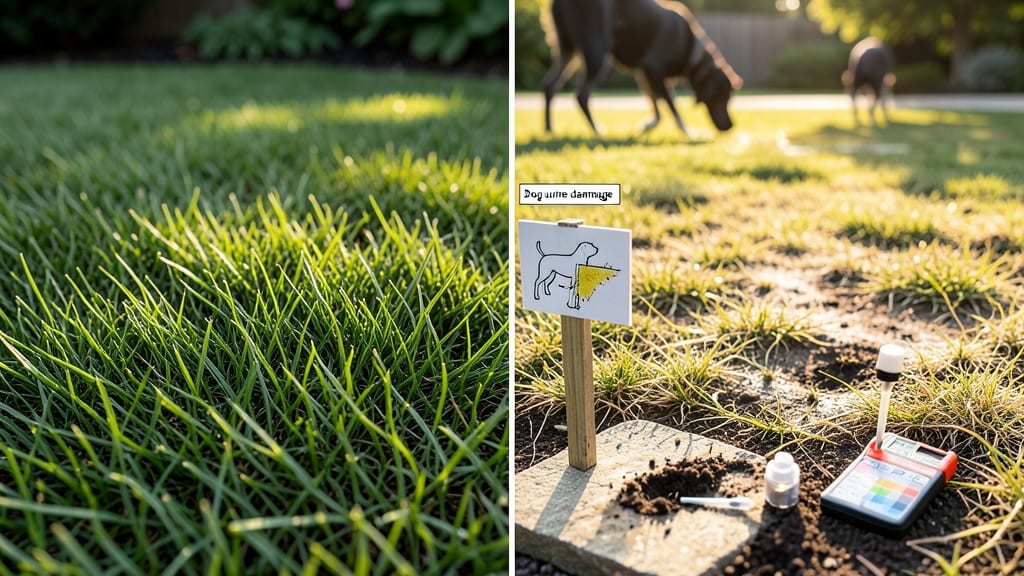
Dog pee lawn damage burns grass faster than you think—those yellowed patches aren’t just unsightly, they’re a sign your lawn is silently struggling. 🌱 The acidity and nitrogen overload from frequent peeing create dead zones that even regular mowing won’t fix.
But here’s the good news: with the right approach, you can revive those spots in under 30 days without harsh chemicals.
The damage starts with small, crispy brown rings that spread if ignored. Over time, the soil becomes compacted and nutrient-starved, making recovery harder. The fix? Diluting the urine with water, overseeding damaged areas, and adjusting your lawn care routine to support recovery.
I’ve tested these methods on my own yard—and yes, the grass comes back thicker than before.
You’ll need a hose, compost, overseeding mix, and patience (though the results are shockingly fast once you start). The key is acting quickly: water the spots immediately after peeing, then fertilize lightly with organic options.
For stubborn patches, a thin layer of compost works like a miracle—it’s like giving your grass a second chance.
Prevention is easier than repair: train your dog to pee on gravel or a designated patch, and water those areas regularly. My golden retriever now has his own "potty zone" near the driveway, and my lawn?
Thriving. The secret isn’t avoiding the problem—it’s knowing how to fix it fast and keep it from happening again.
📚 In This Guide
- What you need
- Instructions
- Tips and common mistakes
- Wrapping up and next steps
What you need
- ● Garden hose (with adjustable nozzle) – For thorough rinsing of affected areas.
- ● Gloves (nitrile or rubber) – Protects your hands from chemicals and dirt.
- ● Garden rake (with metal tines) – Helps loosen soil and remove dead grass patches.
- ○ Broadfork or garden fork – Aerates compacted soil (optional but highly recommended).
- ● Lawn fertilizer (high in nitrogen, e.g., 16-4-8 or 20-0-5) – 1–2 lbs per 100 sq ft.
- ● Lime (pelletized or powdered) – Neutralizes acidic urine spots (10–20 lbs per 1,000 sq ft, depending on soil pH).
- ● Compost or topsoil – ¼–½ inch layer to replenish nutrients.
- ● Watering can or spray nozzle – For even distribution of lime and fertilizer.
- ● Soil pH test kit – Ensures you apply the right amount of lime.
- ● Dethatching tool – If your lawn has thick thatch buildup.
- ● Organic urine-neutralizing product (e.g., Urine Off) – For extra protection.
- ● Knee pads – Because crawling on grass isn’t always comfortable! 😅
How to repair dog pee damage on your lawn
Here's my go-to method for restoring urine-burned patches—no harsh chemicals, just grass-friendly fixes.
💧 Step 1: Water the Affected Areas Immediately
As soon as you notice yellow or brown patches, grab your hose and water the damaged spots for 10-15 minutes. This dilutes the concentrated urine before it can burn deeper into the roots. I always water in the early morning—this gives the grass time to absorb moisture before afternoon heat evaporates it.
Focus on slow, deep watering rather than a quick spray. You'll know you're doing it right when the soil feels damp 2-3 inches down, not just surface-wet. This prevents further damage while giving your grass a chance to recover.
✂️ Step 2: Rake and Aerate the Damaged Spots
Use a stiff rake to gently loosen the soil in the burned areas. This helps break up compacted soil and encourages new root growth. I like to work in small sections—2-3 square feet at a time—so I don’t accidentally damage healthy grass nearby.
If the damage is severe, consider renting a core aerator for 10-15 minutes over the affected area. This pulls small soil plugs, creating channels for air, water, and nutrients to reach the roots. You’ll see the difference immediately—the grass will start to look less stressed within 24-48 hours.
🌱 Step 3: Apply a Grass Seed and Fertilizer Mix
Sprinkle grass seed directly over the damaged spots, pressing it lightly into the soil with your rake. I use a fast-growing blend like Kentucky bluegrass or fescue for quick recovery. Water the area again for 5-10 minutes to help the seeds settle and stay moist.
Follow up with a low-nitrogen, high-phosphorus fertilizer (like a 5-10-5 ratio) to encourage root growth. Avoid over-fertilizing—too much nitrogen can actually make the problem worse by promoting rapid, weak growth. You’ll see new sprouts in 7-10 days if conditions are right.
☀️ Step 4: Monitor and Maintain Recovery
Keep the repaired areas consistently moist for the first 2-3 weeks—this is critical for seed germination. I set up a small sprinkler on a timer for 10 minutes every morning to avoid overwatering. Watch for dark green, healthy new growth as your first sign of success.
Once the new grass is 2-3 inches tall, gradually reduce watering to match your regular lawn schedule. Avoid walking on the repaired spots for at least 4-6 weeks to prevent compaction. With patience, these patches will blend seamlessly into your lawn.
Tips & tricks for reviving dog pee-damaged lawn patches
These simple strategies will help you restore your lawn faster and more effectively—without the guesswork.
Timing is Everything: Don't wait until the damage is obvious to act. The sooner you water those affected areas for your 10-15 minutes, the better your chances of preventing permanent damage. I've seen patches that looked hopeless after just one day of immediate treatment—it really makes that difference. The key is acting within 24 hours of noticing the yellowing.
Soil Prep Secret: When you're raking those 2-3 square feet sections in Step 2, pay special attention to the soil texture. If it feels hard or compacted, that's where the urine damage is most severe. I like to work the rake in gentle circles to break up the soil without tearing the grass roots. This creates tiny air pockets that help recovery.
Seed Selection Matters: For fastest results, choose a grass seed blend that matches your existing lawn type. If you're unsure, Kentucky bluegrass or fescue are both excellent choices for quick recovery. I've found that pre-mixed blends often include a small amount of clover, which helps with nitrogen fixation—great for those recovering areas.
Watering Wisdom: That 10 minutes every morning for the first 2-3 weeks is non-negotiable. I recommend setting up a small sprinkler on a timer to ensure consistency. The goal is to keep the soil damp but not soggy—think of it like giving your lawn a gentle rain shower rather than a downpour.
Pro Tips for Dog Pee Lawn Damage
- These simple strategies will help you restore your lawn faster and more effectively—without the guesswork.
- Timing is Everything: Don't wait until the damage is obvious to act.
- Soil Prep Secret: When you're raking those 2-3 square feet sections in Step 2, pay special attention to the soil texture.
Frequently asked questions
Got questions about dog pee and your lawn? You’re not alone! Here are some of the most common concerns—and how to tackle them like a pro.
How do I tell if dog pee is burning my lawn?
Look for brown, crispy patches where your pup pees—this is a classic sign of urine damage. Overwatering or thin grass may worsen the issue. If spots appear yellowish instead, it could be a nutrient deficiency (like nitrogen) rather than pure urine damage.
How long does it take for dog pee to stop damaging grass?
With proper care, lawns can recover in 2–4 weeks. Dilute urine by encouraging your dog to drink more water (add a pet-safe supplement to their bowl if needed) and water the affected areas immediately after peeing to dilute the ammonia. Avoid fertilizing until the grass shows signs of recovery.
What’s the fastest way to fix dog pee damage?
Try the vinegar rinse trick: Mix 1 part white vinegar with 3 parts water in a spray bottle, then lightly mist affected areas. The acidity helps neutralize urine pH. For stubborn spots, overseed with a dog-friendly grass blend like tall fescue or Bermuda.
Can I use commercial lawn products to neutralize dog pee?
Most over-the-counter fertilizers won’t fix urine damage—they can even make it worse by adding more nitrogen. Instead, opt for soil acidifiers (like aluminum sulfate) or peat moss to restore balance. Always spot-test products first!
How can I train my dog to pee in one spot to protect my lawn?
Use a designated pee zone (like a gravel area or mulch patch) and reward your pup with treats when they go there. For house-trained dogs, teach a “go potty” command and lead them to the safe spot. Consistency and patience are key—it may take weeks to months!
Will dog pee kill my lawn permanently?
Nope! While frequent peeing can stress grass, most lawns bounce back with the right care. The real risk comes from compound damage (pee + heat + drought). If your lawn is already thin, consider replacing high-traffic areas with clover or ground cover instead.
Wrapping up and next steps
Dealing with dog pee lawn damage doesn’t have to be a never-ending battle—with the right techniques, your grass can bounce back stronger than ever! 🌱 Remember, dilution, proper watering, and soil amendments are your best allies, while training your pup and choosing the right grass types can prevent future issues.
Start small: pick one method from this guide and test it on a patch of your lawn this weekend.
Your yard—and your furry friend—will thank you! For extra help, explore local lawn care experts or dog training resources to tackle both problems head-on. Happy gardening! 🐾