
Lawn
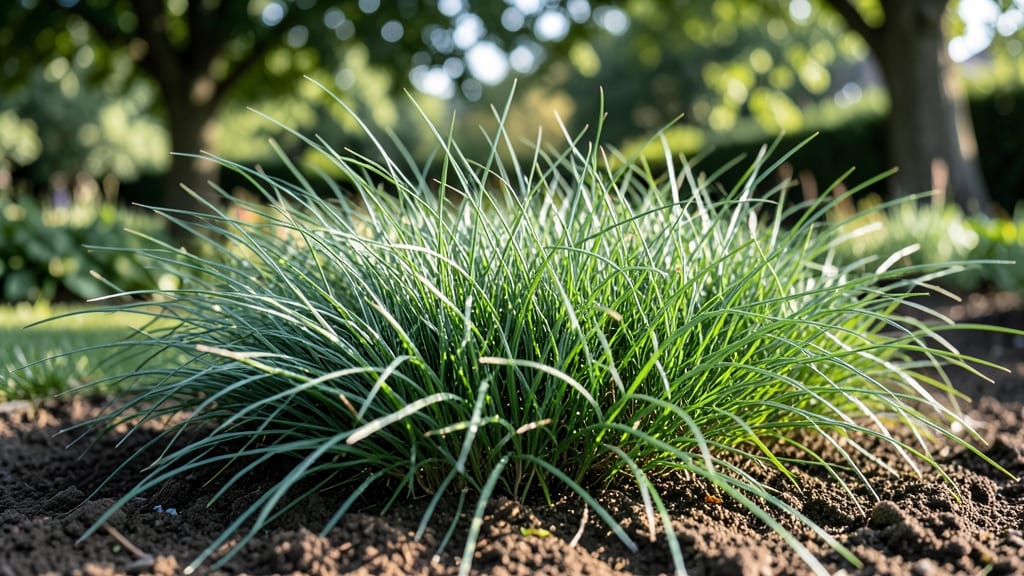
Your lawn’s bright green patches might be hiding a bigger problem—yellowing grass that won’t recover. 🌱 The key to fixing it starts with understanding whether you’re dealing with over-fertilization, fungal issues, or hidden pests lurking beneath the surface.
Without the right diagnosis, even the best treatments can backfire and make things worse.
Most people assume yellowing grass means it needs more fertilizer, but that’s rarely the case. Over-fertilizing actually burns roots, creating those stubborn brown patches while the green areas thrive on excess nutrients.
Fungal infections like dollar spot or brown patch often appear as irregular yellow rings, while grubs or chinch bugs leave behind a thin, patchy look that pulls up easily.
Start with a simple soil test to check pH and nutrient levels—most lawns need a balance, not more. If you spot fungal signs, apply a targeted fungicide in the evening when humidity is high, and avoid watering overhead.
For pests, treat with grub control in early summer or nematodes for chinch bugs, then overseed bare spots with shade-tolerant grass.
Prevention is easier than repair: mow high (3-4 inches), water deeply but infrequently, and aerate compacted soil every spring. When in doubt, consult a local extension service—they can pinpoint issues your DIY test might miss, saving you time and money on the wrong fixes.
Root Causes Of Uneven Color
Those unexpected bright green grass patches popping up in your lawn can be as puzzling as they are eye-catching. While they might seem like a sign of a healthy lawn, they often indicate underlying issues.
Let’s break down the most common reasons why these vibrant spots appear—and how they disrupt your lawn’s uniformity.
Too much of a good thing can backfire when it comes to lawn care. If you’ve recently applied high-nitrogen fertilizer or a fast-release granular product, the grass in those areas may be growing at an accelerated rate. Here’s why:
- Rapid growth: Excess nitrogen triggers rapid cell division, causing grass to turn a bright, almost neon-green color as it stretches toward sunlight.
- Uneven absorption: Fertilizer granules or liquid applications can pool in low spots, leading to localized overfeeding while surrounding areas remain starved.
- Burn risk: Over time, this can lead to fertilizer burn, where the grass initially greens up but later turns brown or dies.
Actionable fix: Use a slow-release fertilizer or apply nitrogen in smaller, more frequent doses. Water thoroughly after application to distribute nutrients evenly.
Water is the lifeblood of your lawn, but too much—or too little—in certain spots can create bright green patches. Here’s how it happens:
- Soggy soil: Areas near sprinkler heads, low spots, or where water pools may stay consistently moist, encouraging lush, fast growth.
- Shallow root systems: Overwatering prevents grass from developing deep roots, making it thinner and more susceptible to disease in those spots.
- Fungal growth: Excess moisture creates the perfect environment for lawn fungi like dollar spot or pythium, which can cause grass to appear unnaturally green before turning brown.
Actionable fix:
- Check your sprinkler system for uneven coverage—adjust heads or repair leaks.
- Water deeply but infrequently (1–1.5 inches per week, including rain).
- Improve drainage in low areas with sand or compost to prevent waterlogging.
Not all grass is created equal. If your lawn is a mix of cool-season and warm-season grasses (or even different cultivars), their growth cycles and color responses to sunlight, water, and nutrients will vary. Here’s what’s likely happening:
- Cool-season grasses (e.g., Kentucky bluegrass, fescue) thrive in spring and fall and may turn a deep, rich green when conditions are ideal.
- Warm-season grasses (e.g., Bermuda, Zoysia) dominate in summer and can develop bright green patches when they outcompete slower-growing neighbors.
- Seed mixtures: If you’ve recently overseeded, new grass varieties may germinate and grow faster than established turf, creating color contrasts.
Actionable fix:
- Identify your grass types and mow at the correct height for each.
- Avoid mixing cool-season and warm-season grasses unless you’re prepared for seasonal color shifts.
- If reseeding, choose one variety that matches your existing lawn for uniformity.
While pests like grubs, chinch bugs, or sod webworms often cause brown patches, their presence can also lead to unexpected green islands. Here’s the connection:
- Grubs feeding on roots: When grubs munch on grass roots in certain areas, the stressed grass may die back—but nearby healthy grass can fill in the gaps quickly, creating a lush, green contrast.
- Chinch bugs: These pests thrive in hot, dry conditions and can create small, bright green patches where they’re actively feeding before causing decline.
- New growth from damage: After pest control, regrowth can be unusually vibrant as the grass recovers.
Actionable fix:
- Inspect soil for grubs or larvae (dig up a small patch—if you find more than 5–10 per square foot, treat with beneficial nematodes or grub killer).
- Check for chinch bugs by flipping over grass—look for tiny black bugs.
- Apply pest-specific treatments and monitor for regrowth.
Your lawn isn’t one uniform ecosystem—it’s a patchwork of microclimates where soil temperature, sunlight, and wind vary. These differences can cause:
- Warmer soil spots: Areas near driveways, sidewalks, or south-facing slopes heat up faster, encouraging faster grass growth and a brighter green color.
- Cooler, shaded areas: Grass in partial shade may grow slower and appear duller green until it receives more sunlight.
- Wind exposure: Grass in open, windy areas may develop thicker blades to protect itself, leading to a darker, richer green.
Actionable fix:
- Adjust mowing heights based on sun exposure—taller grass in shade, shorter in full sun.
- Use mulch or shade cloth to even out temperature differences in extreme microclimates.
- Consider shade-tolerant grass varieties if parts of your lawn stay in shadow.
Pro Tip: 💡 Before treating bright green patches, take a soil test to check pH and nutrient levels. Imbalanced soil can exaggerate color differences—correcting it may restore uniformity naturally!
Revive Your Lawn in 3 Steps
Those bright green patches on your lawn might look vibrant at first glance, but they’re often a sign of underlying issues—whether it’s overwatering, nutrient overload, or even hidden pests. The good news? With the right approach, you can restore a lush, evenly green lawn without breaking the bank.
Below, we’ll break down the most common causes of those pesky patches and provide practical, step-by-step fixes to get your grass back to its best. Plus, we’ll share prevention tips to keep future problems at bay.
If your lawn has soggy spots or puddles lingering after rain, overwatering or compacted soil could be the culprit. Too much moisture suffocates grass roots, leading to those bright green (but unhealthy) patches.
✅ Step-by-Step Solution:
- 👨🍳 Test Your Soil
- Dig a small hole (6 inches deep) in the affected area. If water pools or the soil feels mushy after 24 hours, drainage is the issue.
- Pro tip: Use a soil moisture meter ($10–$20) for accuracy.
- 🌱 Improve Drainage
- For clay soil: Mix in sand or compost (50/50 ratio) and aerate with a core aerator (rent one for ~$60/day).
- For low spots: Rake the area and add a thin layer of topsoil or sand to level it out.
- Prevention tip: Water deeply but infrequently—aim for 1–1.5 inches per week (including rain).
- ⏰ Adjust Your Watering Schedule
- Water early in the morning (before 10 AM) to reduce evaporation and fungal risks.
- Avoid daily light watering—it encourages shallow roots.
Bright green patches often signal excess nitrogen or an uneven spread of fertilizer. While green grass is the goal, too much fertilizer can burn roots and attract pests.
✅ Step-by-Step Solution:
- 🔪 Stop Fertilizing Immediately
- If you’ve recently applied fertilizer, hold off for 4–6 weeks to let the soil recover.
- Warning: Yellowing around green patches? You may have fertilizer burn—rinse the area with water.
- 💡 Test Your Soil’s pH & Nutrients
- Use a DIY soil test kit ($15–$30) or send a sample to your local extension office.
- Ideal pH for most grasses: 6.0–7.0. If it’s off, amend with lime (to raise pH) or sulfur (to lower pH).
- 🌡️ Apply the Right Fertilizer
- Choose a slow-release, balanced fertilizer (e.g., 16-4-8 or 12-12-12).
- Spread evenly with a broadcast spreader and water lightly afterward.
- Prevention tip: Follow the label rates—more isn’t better!
Bright green patches can also mean grubs, chinch bugs, or fungal infections are thriving in a specific spot. These pests/diseases often target weakened grass, creating a "halo effect" of unhealthy growth.
✅ Step-by-Step Solution:
- 🔍 Identify the Problem
- Grubs: Dig up a small section of turf—if you see white, C-shaped larvae, you’ve got grubs.
- Chinch bugs: Look for tiny black bugs on the underside of blades (common in dry, sunny spots).
- Fungus: Check for a mushy, spongy feel or white thread-like growth (like dollar spot).
- 💪 Treat the Issue
- Grubs: Apply a grub control (e.g., imidacloprid) in early spring or fall.
- Chinch bugs: Use neem oil or a pyrethrin-based spray for organic control.
- Fungus: Treat with a fungicide (like propiconazole) and improve airflow by mowing higher (3–4 inches).
- ✨ Restore the Lawn
- Reseed or sod the bare spots with a shade- or sun-tolerant grass mix.
- Prevention tip: Keep your lawn healthy overall—thick turf deters pests and diseases!
Even if the cause isn’t obvious, these universal fixes will help revive your lawn and prevent future patches.
✅ Quick Revival Steps:
- 🌱 Aerate & Overseed: Rent a core aerator and spread high-quality seed in late summer/fall.
- 🔪 Sharpen Your Mower Blade: Dull blades tear grass instead of cutting cleanly—set blades to 3–4 inches high.
- 💡 Dethatch if Needed: If you have a thick layer of thatch (>0.5 inches), rent a dethatcher to improve water/air flow.
- 🌡️ Adjust Mowing Habits: Never remove more than ⅓ of the grass blade at once—this stresses the lawn.
Final Tip: Patience is key! It can take 4–6 weeks to see full results after treatments. Track your progress with photos and adjust as needed. A healthy lawn starts with consistent care—not quick fixes!
Frequently asked questions
Are bright green grass patches always a sign of over-fertilization?
Not necessarily! While excess nitrogen often causes them, these patches can also appear from uneven watering, pest activity, or even different grass varieties growing in the same lawn. Always check for soggy soil, grubs, or chinch bugs before assuming it's fertilizer-related. A soil test can reveal the real cause.
How can I tell if my bright green patches are from grubs or chinch bugs?
For grubs, dig up a small section of turf—if you see white, C-shaped larvae, that's your culprit. Chinch bugs leave tiny black bugs on grass blades (check undersides) and often appear in dry, sunny spots. Both pests create patches that pull up easily when wet. Treat grubs with beneficial nematodes and chinch bugs with neem oil.
Will adjusting my mowing height help with uneven color?
Mowing at 3-4 inches helps shade grass roots and encourages deeper root growth, which evens out color. For shaded areas, keep grass taller (4+ inches) while sunny spots can handle slightly shorter cuts. Always use a sharp mower blade to avoid tearing grass, which stresses the lawn and worsens color differences.
How long should I wait before fertilizing again after treating bright green patches?
Wait at least 6-8 weeks after treating for pests or fungal issues to avoid stressing the lawn further. If the patches were from over-fertilization, wait until you've corrected soil pH and used a balanced, slow-release fertilizer. Always water thoroughly after applying to distribute nutrients evenly and prevent burn.
Can bright green patches spread to the rest of my lawn?
They can if left untreated! Over-fertilized areas may burn and die back, while pest or fungal issues can spread to healthy grass. The good news is that fixing the root cause (drainage, soil balance, or pest control) will prevent further spread. Monitor your lawn weekly and treat new patches immediately to maintain uniformity.