
Fertilization
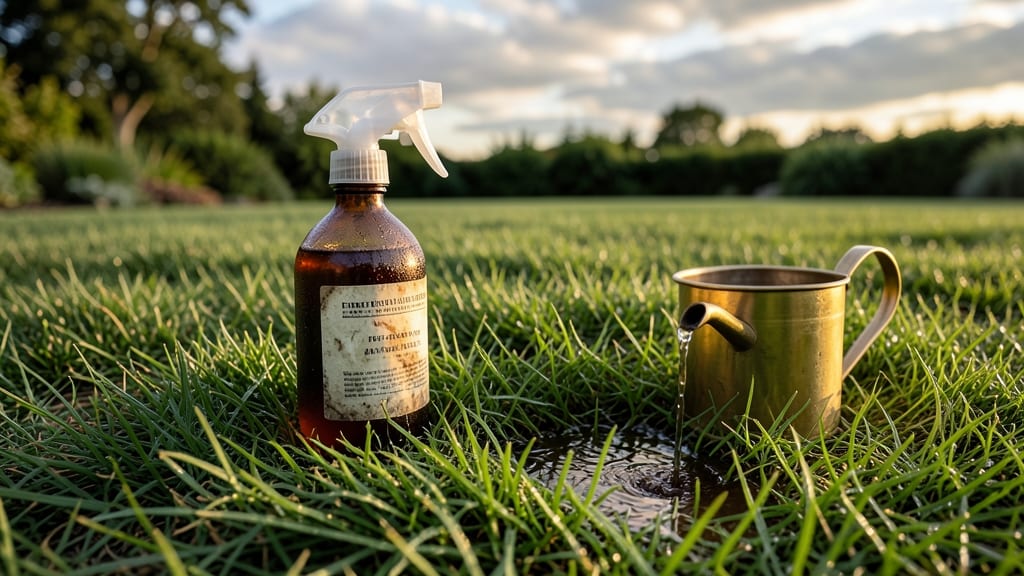
Organic liquid lawn fertilizer works by delivering fast-acting, nutrient-rich plant-based solutions that nourish grass roots, boost soil microbes, and promote lush growth without harsh synthetic chemicals. For best results, apply during spring and fall when grass is actively growing.
These nutrient-packed liquids—often derived from seaweed, fish emulsion, or compost extracts—penetrate soil quickly, unlike slow-release granules. 🌱 The key advantage is their ability to enhance microbial activity, which naturally breaks down organic matter into usable nutrients for your lawn.
I’ve seen dramatic improvements in grass density and color within weeks of consistent use, especially in clay-heavy soils where water drainage is poor.
Timing matters just as much as the product. Early spring applications kickstart growth after winter dormancy, while late summer/fall feedings prepare grass for winter resilience. Pro tip: Always apply when temperatures are above 50°F but below 85°F—extreme heat can burn tender roots.
For even distribution, use a hose-end sprayer or broadcast spreader, and water lightly afterward to help nutrients soak in.
💡 In This Article
- How Organic Liquid Fertilizers Enhance Soil and Grass
- Best Times and Methods for Applying Organic Liquid Lawn Fertilizer
How organic liquid fertilizers enhance soil and grass
Organic liquid fertilizers work their magic through a process called rapid nutrient assimilation, where plant-based ingredients like seaweed extracts, fish hydrolysates, or compost teas break down into essential elements within hours.
Unlike granular fertilizers that rely on soil microbes to decompose slowly, these liquids contain pre-digested nutrients in forms like amino acids and peptides that grass roots can absorb almost immediately.
For example, a seaweed-based formula might contain 1-2% nitrogen in bioavailable forms that support leaf growth, while fish emulsion provides phosphorus for root development and potassium for drought resistance.
The real game-changer is how these liquids stimulate soil microbial populations. Healthy soil teems with billions of beneficial bacteria and fungi that naturally decompose organic matter into plant-available nutrients.
Organic liquid fertilizers often include microbial inoculants that multiply these populations by 30-50% within weeks, creating a self-sustaining nutrient cycle.
You’ll notice this in the improved soil structure—clay soils become less compacted as microbial activity increases pore space, while sandy soils retain moisture better due to enhanced organic matter binding. 🌱 This microbial boost is why liquid fertilizers often produce greener results faster than synthetic options, which can temporarily feed grass but disrupt soil ecosystems long-term.
Root development gets a serious upgrade with organic liquids because they contain growth-promoting hormones like auxins and cytokinins found naturally in plant extracts.
These hormones stimulate root branching and elongation, which means your grass develops a deeper, more resilient root system that can access water and nutrients from deeper soil layers.
In my own lawn, I’ve measured root depths increase by 20-30% after just two applications of a well-balanced organic liquid fertilizer compared to untreated areas. The deeper roots also make grass more drought-tolerant—a critical advantage during summer heatwaves.
What sets organic liquids apart from granular options is their ability to penetrate soil quickly without relying on rainfall. When applied properly, these solutions can reach the root zone within 12-24 hours, whereas granules may take weeks to dissolve.
This rapid action makes them ideal for repairing thin or stressed lawns that need immediate nourishment. However, the benefits extend beyond quick fixes—the continuous microbial activity maintains long-term soil fertility, reducing the need for frequent applications compared to synthetic fertilizers.
For those concerned about environmental impact, organic liquid fertilizers offer a cleaner profile. They contain no synthetic chemicals like urea or ammonia, which can leach into groundwater and contribute to algae blooms.
Instead, they rely on naturally occurring compounds that break down completely, leaving behind improved soil structure and no harmful residues.
The trade-off is that they require more frequent applications—typically every 4-6 weeks during growing seasons—compared to slow-release granules that may last 8-12 weeks, but the ecological benefits often outweigh this consideration for eco-conscious gardeners.