
Lawn
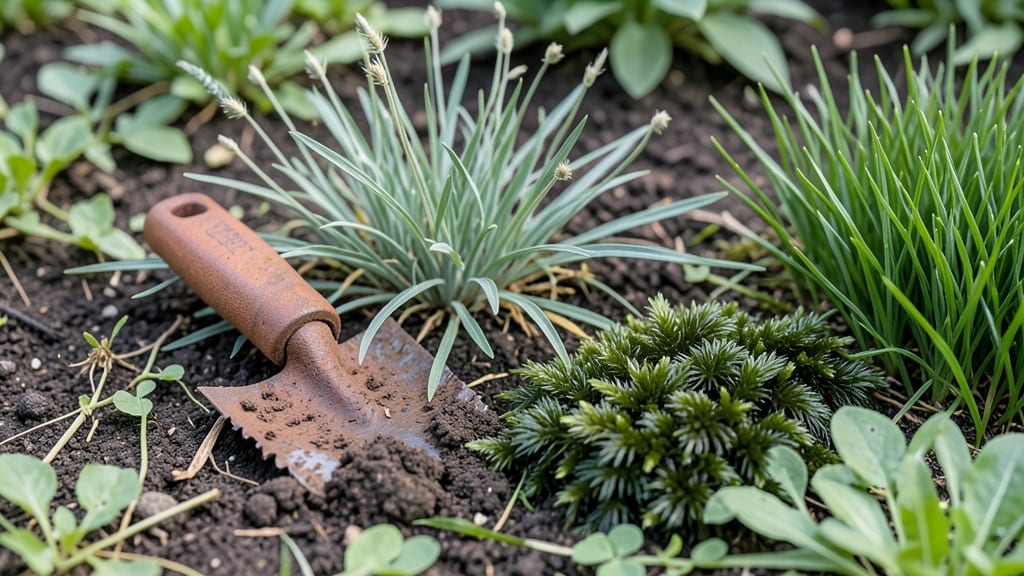
Dark green areas in your lawn might look lush, but they’re often a sign of trouble. 🌱 I’ve seen this happen after heavy rain, overzealous watering, or even fungal infections—what looks healthy can actually be struggling.
The key is identifying whether it’s overwatering, poor drainage, or something more serious like dollar spot disease.
Most people assume dark green patches mean their lawn is thriving, but they’re usually the opposite. Overwatering creates thatch buildup, smothering roots and inviting fungus. Poor drainage leaves grass waterlogged, while nutrient imbalances (too much nitrogen, not enough potassium) can also cause this misleading color.
The first step is testing your soil—pH and moisture levels tell the whole story.
Once you know the cause, fixing it is straightforward: adjust watering to 1 inch per week, aerate compacted soil, and apply a balanced fertilizer. For fungal issues, a targeted fungicide (like propiconazole) works wonders. Within 2-4 weeks, you’ll see grass turning a vibrant, even green—not just dark.
Prevention is easier than cleanup: mow high (3-4 inches), water deeply but infrequently, and overseed bare spots in fall. My lawn went from patchy to picture-perfect after these tweaks—and so can yours. Let’s get that grass back to healthy, not just dark.
Hidden Culprits Behind Dark Spots
Those mysterious dark green patches in your lawn aren’t just random quirks of nature—they’re often telltale signs of underlying issues. Understanding the root causes helps you fix the problem before it spreads.
Below, we break down the most common reasons your grass is turning unnaturally lush (or worse, sickly) in certain spots.
Too much water or soggy soil can create the perfect conditions for dark green, spongy grass. When roots suffocate from excess moisture, they struggle to absorb nutrients efficiently, leading to uneven growth and discoloration.
- Why it happens: Overwatering washes away nutrients, while poor drainage traps water, creating anaerobic (oxygen-deprived) zones where grass weakens.
- Signs to watch for:
- Mushy soil when pressed
- Grass that feels slimy or stays wet for days
- Fungal growth (like mold or mushrooms)
- Quick fix: Test drainage by digging a 6-inch hole—if water doesn’t seep away in 1–2 hours, amend soil with sand or compost to improve aeration. Water deeply but less frequently (early morning is best).
Shady areas with high humidity and poor airflow are fungal hotspots. Dark green patches could signal dollar spot, brown patch, or even fairy ring fungus, which thrive in damp, low-light conditions.
- Why it happens: Fungi spread via spores, exploiting weak grass (often in shaded or compacted areas). Some fungi even steal nutrients from the soil, leaving grass looking artificially dark and unhealthy.
- Signs to watch for:
- Grass that feels slippery when wet
- Circular or irregular dark rings
- Thin, water-soaked patches that spread
- Quick fix:
- Apply a fungicide (like propiconazole) if spores are active.
- Improve airflow by thinning nearby plants or trimming overgrown grass.
- Water early in the day to reduce evening moisture.
Uneven fertilizer application or too much nitrogen in one spot can create dark green, almost black-looking grass. This often happens near tree roots, pet waste piles, or over-fertilized areas.
- Why it happens: Nitrogen-rich fertilizers promote rapid, dark green growth—but too much can burn roots or create toxic buildup (like ammonia from pet urine).
- Signs to watch for:
- Grass that looks glossy or waxy
- Yellowing at the edges of dark patches
- Soil with a chemical smell (like ammonia)
- Quick fix:
- Test soil pH (6.0–7.0 is ideal for grass). Adjust with lime (to raise pH) or sulfur (to lower it).
- Avoid quick-release fertilizers—use slow-release or organic options.
- Rinse pet waste areas with water to dilute ammonia.
Grass in deep shade (under trees or buildings) often turns dark green but thin because it’s starved for sunlight. While some grass varieties tolerate shade, most sun-loving types (like Kentucky bluegrass or fescue) struggle.
- Why it happens: Without enough sunlight, grass stretches upward to reach light, weakening roots and making it vulnerable to disease. Shade also slows photosynthesis, reducing nutrient production.
- Signs to watch for:
- Grass that’s tall and leggy in shaded spots
- Thin, sparse growth despite regular watering
- Moss or clover invading the area
- Quick fix:
- Choose shade-tolerant grass (like fine fescue or zoysia).
- Thin tree canopies or prune branches to increase light.
- Apply a light layer of mulch to retain moisture and cool roots.
Grass grubs, chinch bugs, or even armadillos digging can create dark, uneven patches by eating roots or disrupting soil. The grass may appear lush on top but is rotting underneath.
- Why it happens: Insects chew roots, reducing water/nutrient uptake. Some pests (like chinch bugs) inject toxins, turning grass dark before it dies.
- Signs to watch for:
- Grass that pulls up easily (like sod)
- Small holes or tunnels in soil
- Wilting despite regular watering
- Quick fix:
- Treat with grub control (like imidacloprid) or nematodes for organic solutions.
- Aerate the lawn to expose and kill grubs.
- Encourage natural predators (like birds or toads) by keeping a healthy lawn ecosystem.
How to solve it
H2: Fixing Lawn Shadows Naturally
Reviving those dark green patches in your lawn starts with identifying the root cause—and then tackling it with the right tools and techniques. Whether it’s shade, overwatering, or compacted soil, each problem has a tailored solution.
Below, we break down the fixes by cause, plus pro tips to keep your lawn thriving long-term.
---
If your lawn’s dark green patches are caused by too little sunlight, the fix isn’t just about the grass—it’s about the environment. Shade-loving grasses (like fine fescue) may survive, but sun-loving varieties (like Kentucky bluegrass or Bermuda) will struggle.
#### What to Do: 🔥 Prune Overhanging Branches Trim back trees or shrubs blocking sunlight. Aim for at least 6 hours of direct sunlight per day for most lawn grasses.
🍳 Thin Out Dense Foliage Use a hedge trimmer or pruning shears to open up the canopy. Focus on the top layer of branches to let light filter through.
👨🍳 Install a Lawn Light or Reflector For small shaded spots, solar-powered lawn lights or reflective panels can bounce extra light onto the area.
💡 Pro Tip: If pruning isn’t an option, consider shade-tolerant grass mixes for those stubborn dark patches—just don’t expect the same vibrant green as sun-soaked turf.
---
Too much moisture (or waterlogged soil) turns grass a dark, almost slimy green and invites fungus or thatch buildup. Fixing it means balancing water and airflow.
#### What to Do: 🔥 Adjust Your Watering Schedule Water deeply 2-3 times per week (early morning is best) instead of daily light sprinkles. Aim for 1 inch of water per week, including rain.
🍳 Test Soil Drainage Dig a 6-inch hole, fill it with water, and time how long it takes to drain. If it’s still soggy after 6 hours, your soil needs help.
👨🍳 Aerate Compacted Soil Rent a core aerator to pull out small soil plugs, which loosens compaction and improves drainage. Do this in spring or fall.
⏰ Fix Low Spots Rake out depressions and top-dress with a sand-and-compost mix to level the area. For severe cases, consider a French drain or swale.
💡 Pro Tip: If your lawn feels spongy underfoot, never walk on it—compaction worsens drainage issues.
---
Too much nitrogen (or synthetic fertilizers) can turn grass dark green but weak, while poor soil nutrients stunt growth. The fix? A smarter feeding strategy.
#### What to Do: 🔥 Flush the Soil If you suspect fertilizer burn, water the area heavily for 2-3 days to leach out excess salts.
🍳 Take a Soil Test Use a DIY test kit (or send a sample to a lab) to check pH and nutrient levels. Most lawns need a pH of 6.0–7.0.
👨🍳 Switch to Slow-Release Fertilizer Avoid quick-release granules; opt for organic options like compost, manure, or slow-release pellets. Apply in small amounts (follow package rates).
💡 Pro Tip: Less is more—over-fertilizing harms grass roots more than it helps. Stick to 2-4 applications per year.
---
A thick thatch layer (dead grass, roots, and debris) smothers grass, trapping moisture and blocking nutrients. Scalping removes the problem layer.
#### What to Do: 🔥 Dethatch with a Rake or Machine For small areas, use a bow rake to pull up thatch. For larger lawns, rent a vertical mower (set to ¼-inch depth).
🍳 Time It Right Dethatch in early spring or fall when grass is actively growing. Avoid doing it in summer heat.
👨🍳 Top-Dress Afterward Spread a ½-inch layer of compost or sand over the area to improve soil contact and reduce compaction.
✨ Pro Tip: If your thatch is over ½-inch thick, consider scalarine (a sharp blade attachment) to shave it down safely.
---
Dark, velvety patches could signal dollar spot, brown patch, or fungal infections. The fix involves breaking the cycle of moisture and debris.
#### What to Do: 🔥 Remove Affected Grass Cut out and dispose of (don’t compost!) infected patches to stop spores from spreading.
🍳 Improve Airflow Thin out dense grass with a sharp mower blade (set to 3 inches) and reduce thatch.
👨🍳 Apply Fungicide (If Needed) For severe cases, use a copper-based fungicide or baking soda spray (1 tbsp per gallon of water). Reapply every 2 weeks.
💡 Pro Tip: Prevent recurrence by watering in the early morning and avoiding nighttime irrigation (keeps grass dry longer).
---
Once you’ve fixed the dark patches, keep them from coming back with these habits: - Mow high (3–4 inches) to shade soil and retain moisture. - Rake up debris regularly to prevent thatch buildup. - Aerate annually if your soil is clay-heavy or compacted. - Rotate fertilizer types to avoid nutrient lockout. - Monitor shade changes—prune before branches block sunlight permanently.
---
With the right approach, your lawn’s dark green areas will fade into memory—replaced by a vibrant, healthy carpet of grass that’s the envy of the neighborhood. 🌱✨
Frequently asked questions
Why do dark green areas look healthier than the rest of my lawn?
Dark green patches often appear lush but are actually a sign of stress—whether from overwatering, fungal growth, or nutrient imbalance. The grass may look vibrant on top, but roots are likely suffocating or starved. Think of it like a plant with yellow leaves: it might look green, but it's struggling underneath.
Can I just fertilize more to fix dark green patches?
Not necessarily! Over-fertilizing—especially with nitrogen—can make dark patches worse by burning roots or creating toxic buildup. The real fix is testing your soil first (aim for pH 6.0–7.0) and using slow-release fertilizers in moderation. Too much of a good thing can harm your lawn more than help it.
How do I tell if dark green patches are from fungus or just shade?
Fungal patches often feel slippery when wet and may have circular rings, while shade-related dark areas are usually thin and leggy. Dig a small sample: if you see white, thread-like fungal strands (mycelium), it’s fungus. If the soil is compacted or waterlogged, drainage is likely the issue.
Will aerating my lawn help with dark green spots?
Aerating breaks up compacted soil, improving drainage and root access to nutrients. For waterlogged areas, core aeration (removing small soil plugs) works best in spring or fall. Just avoid aerating if your soil is already too dry—moisture is key for recovery.
How long does it take to fix dark green patches?
With the right fixes, you’ll see improvement in 2–4 weeks, but full recovery can take 3–6 months depending on the cause. Overwatering fixes quickly, while fungal issues or deep compaction may require more time. Consistency is key—stick with your treatment plan and monitor progress.